


 Zhipu AI Stock Jumps on Report of Custom AI Chip Development Plans
  LG Energy Solution Q2 Profit Plunges 77% Despite Revenue Growth on Weak EV Demand
  Australia Flags Child Safety Gaps at Apple, Meta, Google Over Online Sexual Extortion
  SK Hynix Soars 13% in Nasdaq Debut After Record $26.5 Billion IPO
  Kitron Q2 Revenue Beats Estimates as Defense Demand Lifts Growth
  Samsung Chairman Lee Jae-yong Expected to Meet Nvidia CEO Jensen Huang on AI and Chip Partnership
  AstraZeneca Shares Sink After Wainua Trial Misses Key Heart Disease Goal
  Wolfspeed Sues Navitas Over GaN and SiC Patent Infringement
  China 618 Smartphone Sales Drop 13% as Higher Prices Hurt Demand, Huawei Gains Market Share
  Nvidia Tightens AI Chip Sales in Asia With Stricter Customer Approval Process
  SK Hynix Prices Record U.S. ADR Offering at $149 After $200 Billion Investor Demand
  SK Hynix Shares Drop After Strong Nasdaq Debut Despite $26 Billion ADR Listing
  Samsung to Launch First Yongin Chip Plant by 2029 as South Korea Speeds Up Semiconductor Hub
  OpenAI Executive Fidji Simo to Step Down Amid Health Challenges Ahead of IPO
  UBS Starts CarTrade Tech With Buy Rating, Sees Strong Earnings Growth and ₹4,000 Target
  OpenAI GPT-5.6 Set for Wider Release After U.S. Commerce Approval, Report Says
  Apple Sues OpenAI, Former Employees Over Alleged Trade Secret Theft


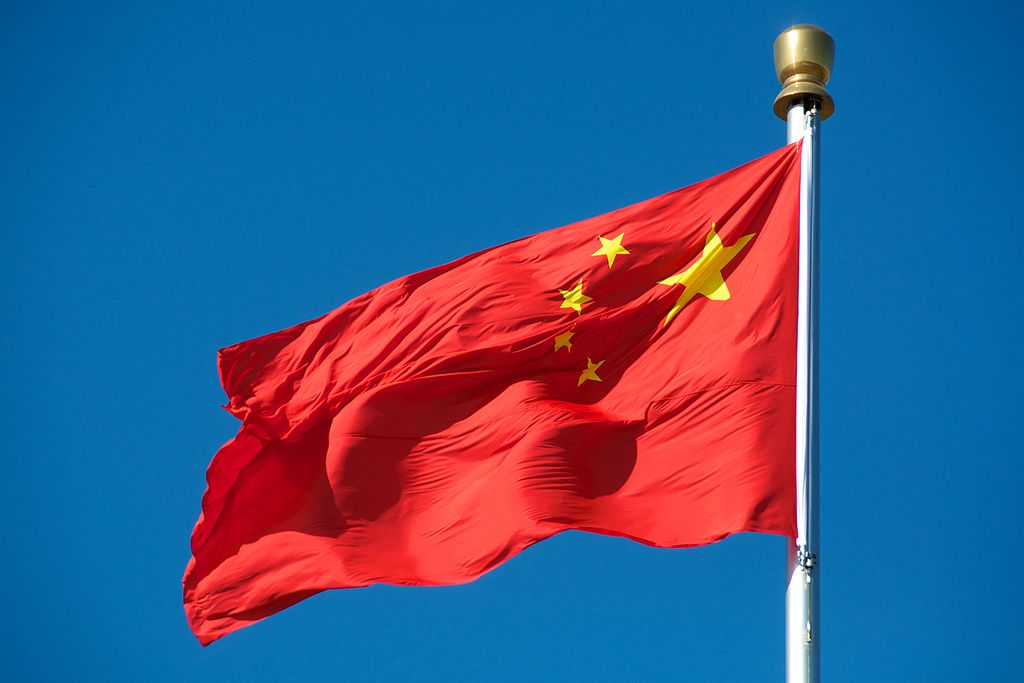
China is accelerating efforts to narrow its technological gap with the United States, driven by increased risk-taking, innovation, and strong policy support for artificial intelligence and semiconductors. Leading Chinese AI researchers say the country has significant potential to rival U.S. dominance in artificial intelligence, although restrictions on advanced chipmaking tools remain a major obstacle.
Confidence in China’s AI sector was highlighted this week by the successful Hong Kong Stock Exchange debuts of so-called “AI tiger” startups MiniMax and Zhipu AI. Their listings reflect growing investor optimism as Beijing fast-tracks AI and chip-related IPOs to strengthen domestic alternatives to advanced U.S. technology. These developments underline China’s ambition to build a self-sufficient AI ecosystem despite ongoing export controls.
Yao Shunyu, a former senior researcher at OpenAI and now chief AI scientist at Tencent, said there is a strong chance a Chinese company could become the world’s leading AI firm within three to five years. He emphasized that China benefits from advantages in electricity supply and large-scale infrastructure, but warned that production capacity remains a bottleneck. According to Yao, limited access to advanced lithography machines and a less mature software ecosystem are the biggest technical hurdles facing China’s AI and semiconductor industries.
China has reportedly developed a working prototype of an extreme-ultraviolet lithography machine that could eventually produce cutting-edge chips comparable to Western technology. However, sources suggest that mass production of viable chips may not occur until around 2030, underscoring the long road ahead.
Industry leaders also acknowledge that the United States still holds a major edge in computing power due to massive investments in data centers and AI infrastructure. Alibaba’s Lin Junyang noted that U.S. computing resources may be one to two orders of magnitude larger than China’s, but said limited resources have pushed Chinese researchers toward efficiency-focused innovation, including algorithm-hardware co-design that allows large AI models to run on smaller, cheaper hardware.
Zhipu AI founder Tang Jie added that a new generation of Chinese entrepreneurs is increasingly willing to embrace high-risk innovation, a cultural shift that could further strengthen China’s AI competitiveness. Together, these trends suggest that while challenges remain, China’s AI sector is rapidly evolving and determined to close the technology gap with the U.S.







