


 SK Hynix Shares Drop After Strong Nasdaq Debut Despite $26 Billion ADR Listing
  Goldman AM Sees Strong Buyout Opportunities in Japan, South Korea and Australia
  Mastercard Explores Sale of Majority Stake in UK Payments Firm Vocalink: Report
  SoftBank Corp Partners With Sierra to Expand AI Customer Support Across Japan
  LG Energy Solution Q2 Profit Plunges 77% Despite Revenue Growth on Weak EV Demand
  SK Hynix Prices Record U.S. ADR Offering at $149 After $200 Billion Investor Demand
  Nvidia Tightens AI Chip Sales in Asia With Stricter Customer Approval Process
  AstraZeneca Shares Sink After Wainua Trial Misses Key Heart Disease Goal
  Nvidia Invests $500M in Firmus Technologies Ahead of Planned ASX IPO
  DOJ Grand Jury Investigates UAW President Shawn Fain Ahead of Union Election
  Apple Sues OpenAI, Former Employees Over Alleged Trade Secret Theft
  Apple Tests China's CXMT Memory Chips as DRAM Maker Gains Global Market Share
  Australia Flags Child Safety Gaps at Apple, Meta, Google Over Online Sexual Extortion
  Yaskawa Electric Shares Slide as Weak Profit Overshadows Strong AI Demand
  Samsung Chairman Lee Jae-yong Expected to Meet Nvidia CEO Jensen Huang on AI and Chip Partnership
  Zhipu AI Raises HK$31.37 Billion in Discounted Share Sale to Accelerate AI Growth


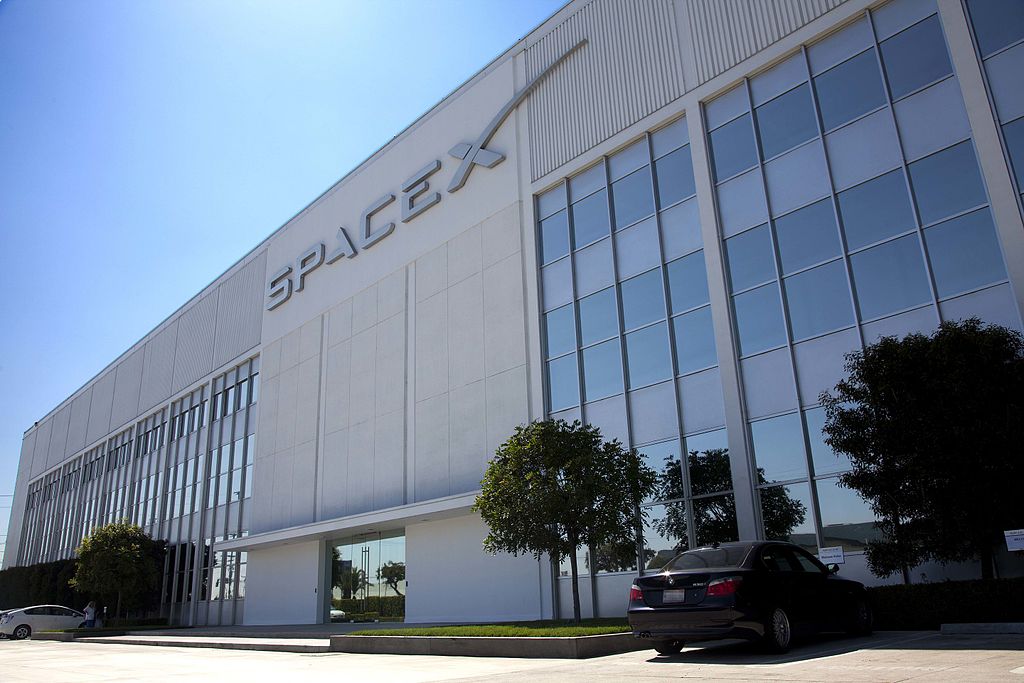
China’s private rocket startup LandSpace is rapidly emerging as a key challenger in the global commercial space race, openly drawing inspiration from Elon Musk’s SpaceX while reshaping China’s traditionally state-led space industry. Earlier this month, the Beijing-based company became the first Chinese entity to conduct a reusable rocket test, a milestone that signals China’s growing ambitions in low-cost, reusable launch technology.
Although LandSpace’s Zhuque-3 rocket test ultimately ended in failure, the attempt itself marked a paradigm shift. Unlike China’s historically risk-averse, state-owned space firms, LandSpace embraces a startup culture that tolerates failure as part of rapid innovation—an approach long associated with SpaceX. Zhuque-3 chief designer Dai Zheng, who left China’s main state rocket developer to join LandSpace in 2016, has cited SpaceX’s focus on reusability and iterative engineering as a major motivation behind his move.
LandSpace aims to develop a reusable rocket comparable to SpaceX’s Falcon 9, offering China a cost-effective launch solution critical to Beijing’s long-term plan to deploy massive satellite constellations, potentially totaling 10,000 satellites. Company engineers emphasize that studying Falcon 9’s proven design is about learning from engineering success rather than imitation.
The company’s influence is already visible across China’s space sector. State media recently reported on failed reusable rocket recovery attempts by both private and state-owned firms—coverage that would have been unthinkable just a few years ago. LandSpace has also increased transparency by opening its engine factory to foreign media, underscoring its confidence and global aspirations.
As LandSpace prepares for another Zhuque-3 launch following its December setback, it draws reassurance from SpaceX’s own early struggles, which preceded Falcon 9’s first successful booster landing in 2015. With Beijing now encouraging private space companies to pursue IPOs and tap capital markets, LandSpace’s reusable rocket ambitions could play a pivotal role in positioning China as a major force in the commercial spaceflight industry.







