


 Dollar Holds Steady as Yen Nears Critical 160 Level Amid Iran War Escalation
  US Dollar Dips as Iran Rejects Ceasefire Amid Rising Middle East Tensions
  SoftwareONE Posts 22.5% Revenue Surge in 2025 on Crayon Acquisition
  ECB Warns of Rising Inflation Risks Amid Iran War Energy Shock
  Norma Group Posts Revenue Decline in 2025, Eyes Modest Recovery in 2026
  Apple Turns 50: From Garage Startup to AI Crossroads
  Ford Issues Major Recall on Over 422,000 Vehicles Due to Windshield Wiper Defect
  First Western Ship Transits Strait of Hormuz Since Iran War Began
  Paramount Skydance Secures $24B from Gulf Sovereign Wealth Funds for Warner Bros. Discovery Takeover
  Trump Administration Plans 100% Tariffs on Pharmaceutical Imports
  Tesla Q1 2026 Deliveries Miss Estimates as AI Strategy Takes Center Stage
  Sterling Slides as Dollar Holds Firm Amid U.S.-Iran Tensions
  Asian Markets Rally on Iran Ceasefire Hopes as US-Iran Tensions Simmer
  Nike Beats Q3 Estimates but China Weakness and Margin Pressure Weigh on Outlook
  Oil Prices Surge as U.S.-Iran Conflict Threatens Global Supply
  UAE's Largest Natural Gas Facility Suspended After Attack-Triggered Fire
  Samsung Electronics Posts Eightfold Profit Surge Driven by AI Chip Demand


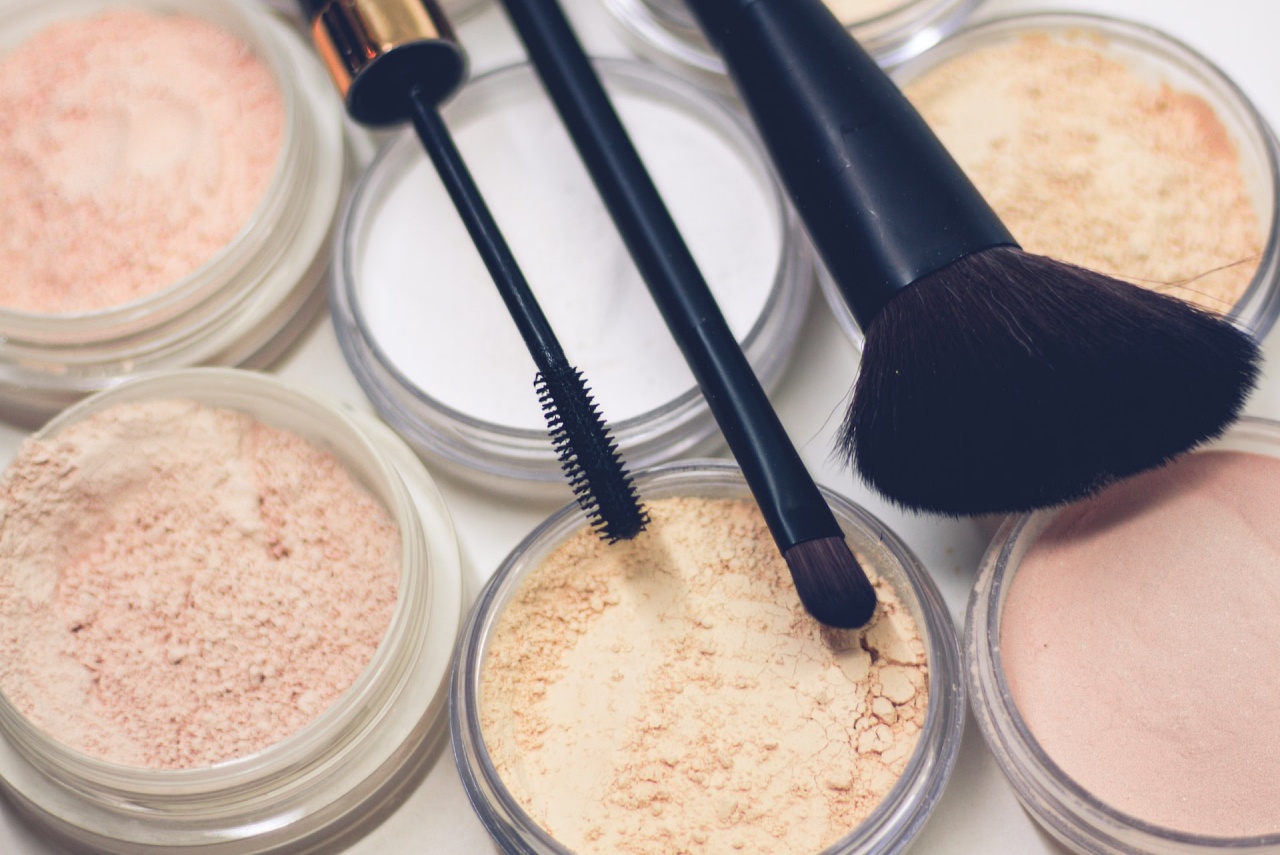
Cosmetics and beauty companies in South Korea are said to be struggling to deal with the growing trademark infringements in China. The Korea Intellectual Property Protection Agency (KIPO) said on Sunday, Dec. 18, that Chinese firms copy the designs of popular Korean beauty products.
As per The Korea Times, KIPO said that aside from manufacturers in China, there are also trademark infringements for Korean products in many Southeast Asian countries. The agency revealed that most of the cases in China are related to local beauty companies, and it recorded at least 2,920 cases last year.
The Korean IP agency added that Indonesia also topped the list with the most infringement offenses and placed second with 840 cases. Vietnam and Thailand followed with 660 and 550 cases, respectively.
The officials said that Korean cosmetics brands had been continuously calling for the prevention of intellectual property rights infringement worldwide. However, they noted that local businesses in the mentioned countries continue as they remain ignorant when it comes to complying with the law.
Many popular local brands have already complained about the infringements after seeing huge numbers of counterfeit products being sold with their brand image. Some companies simply copied the designs of their items and sell them at lower prices to local consumers.
As this continues to happen, sales of authentic products are already affected. It was reported that CLIO’s Kill Cover and Eye Palette are examples of cosmetics that have been copied overseas.
A foreign firm called PONY CLIO produced similar items and labelled them with the same names - Eye Palette and Kiss Cover. These items are being sold in China and some countries in Southeast Asia.
Meanwhile, the number of Chinese groups that register trademarks of well-known Korean cosmetic brands in China has soared in the last three years. They are deceiving consumers by selling counterfeit products, and this situation is also hurting the original Korean manufacturers.
"We have seen the orders of our popular products in China or Vietnam decrease year after year,” a cosmetic company official stated. “The main reason is that local brokers first show our original products to customers and then sell them their fake items instead and there is not much Korean firms can do for now, but we will continue to monitor unofficial online channels in China and report them."
Photo by: Raphael Lovaski/Unsplash







