


 Apple Sues OpenAI, Former Employees Over Alleged Trade Secret Theft
  Yaskawa Electric Shares Slide as Weak Profit Overshadows Strong AI Demand
  Morgan Stanley Says China’s Reusable Rocket Progress Poses Long-Term Challenge to SpaceX
  TSMC Q2 Revenue Surges 36% as AI Chip Demand Powers Growth Ahead of Earnings
  Oppenheimer Sees CNH Industrial as Top 2026 Agriculture Stock Pick on Dealer Consolidation Strategy
  OpenAI Executive Fidji Simo to Step Down Amid Health Challenges Ahead of IPO
  SK Hynix Soars 13% in Nasdaq Debut After Record $26.5 Billion IPO
  Samsung to Launch First Yongin Chip Plant by 2029 as South Korea Speeds Up Semiconductor Hub
  Nippon Paint Reportedly Offers Up to €7.5 Billion for Akzo Nobel Decorative Paints Business
  Zhipu AI Stock Jumps on Report of Custom AI Chip Development Plans
  Nvidia Tightens AI Chip Sales in Asia With Stricter Customer Approval Process
  Nvidia Invests $500M in Firmus Technologies Ahead of Planned ASX IPO
  Deutsche Bank Fined A$2 Million by ASIC Over OTC Derivatives Reporting Errors
  SoftBank Corp Partners With Sierra to Expand AI Customer Support Across Japan
  SK Hynix Shares Drop After Strong Nasdaq Debut Despite $26 Billion ADR Listing
  SK Hynix Prices Record U.S. ADR Offering at $149 After $200 Billion Investor Demand


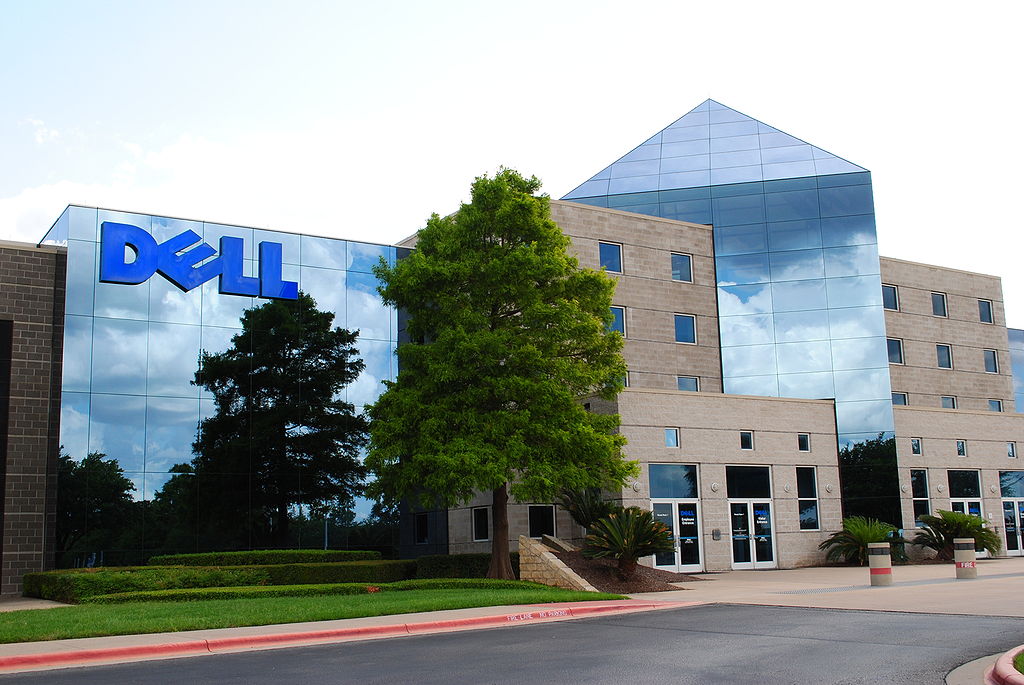
Dell has officially revived its popular XPS laptop lineup, marking a strategic reversal just a year after retiring the premium brand. The move comes as the company seeks to stimulate demand in a sluggish global personal computer market and strengthen its position in the high-end laptop segment.
At the Consumer Electronics Show (CES) in Las Vegas, Dell unveiled the XPS 14 and XPS 16, describing them as the thinnest laptops the company has ever produced. Dell also confirmed plans to introduce an even lighter XPS 13 later this year, signaling a renewed long-term commitment to the XPS brand.
The decision follows what Dell described as “very broad” feedback from partners and customers. Dell Chief Operating Officer Jeff Clarke openly acknowledged the misstep, stating that the company failed to listen when it moved away from the XPS branding. Originally launched in the 1990s, XPS played a crucial role in helping Dell expand beyond enterprise customers and establish a strong presence in the consumer and premium laptop markets.
Last year, Dell shifted to simplified naming conventions such as “Dell,” “Dell Pro,” and “Dell Pro Max,” but the company has now reintroduced XPS for premium consumer laptops while keeping Alienware focused on high-performance gaming systems. Mainstream and entry-level devices will continue under the Dell brand.
The new XPS 14 and XPS 16 laptops will initially be available in limited configurations in the U.S. and Canada, starting at $2,049.99 and $2,199.99, respectively. Both models feature Intel Core Ultra Series 3 processors with integrated Arc graphics. According to Dell, these chips deliver significantly improved AI performance—up to 57% faster on the XPS 14 and 78% faster on the XPS 16—along with more than 50% better graphics performance compared to previous generations.
Despite growing interest in AI-powered PCs, Dell acknowledged that artificial intelligence has not yet driven the level of consumer demand it anticipated. The company also offered limited insight into how it plans to manage rising memory costs, which analysts warn could push laptop prices higher across the industry.







