


 Chinese Chip Stocks Jump as Apple Reportedly Tests CXMT Memory Chips for China Devices
  OpenAI GPT-5.6 Set for Wider Release After U.S. Commerce Approval, Report Says
  DOJ Grand Jury Investigates UAW President Shawn Fain Ahead of Union Election
  SpaceX Stock Draws Bullish Wall Street Coverage Ahead of Nasdaq-100 Inclusion
  SK Hynix Shares Drop After Strong Nasdaq Debut Despite $26 Billion ADR Listing
  Australia Flags Child Safety Gaps at Apple, Meta, Google Over Online Sexual Extortion
  AstraZeneca Shares Sink After Wainua Trial Misses Key Heart Disease Goal
  Mastercard Explores Sale of Majority Stake in UK Payments Firm Vocalink: Report
  Fast Retailing Raises Full-Year Forecast After Uniqlo Owner Beats Q3 Profit Estimates
  LG Energy Solution Q2 Profit Plunges 77% Despite Revenue Growth on Weak EV Demand
  Samsung Chairman Lee Jae-yong Expected to Meet Nvidia CEO Jensen Huang on AI and Chip Partnership
  TSMC Q2 Revenue Surges 36% as AI Chip Demand Powers Growth Ahead of Earnings
  Samsung to Launch First Yongin Chip Plant by 2029 as South Korea Speeds Up Semiconductor Hub
  Apple Sues OpenAI, Former Employees Over Alleged Trade Secret Theft
  Wolfspeed Sues Navitas Over GaN and SiC Patent Infringement


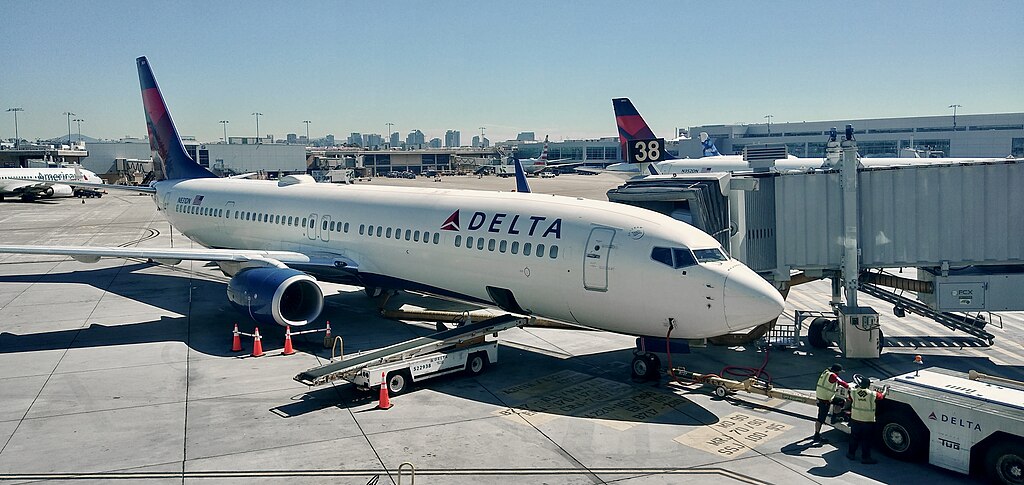
Delta Air Lines announced it will not implement artificial intelligence to set personalized ticket prices after facing scrutiny from U.S. lawmakers and growing public backlash. The controversy began when Democratic Senators Ruben Gallego, Mark Warner, and Richard Blumenthal warned that AI-driven pricing could charge passengers based on their individual “pain point,” potentially increasing fares.
In a letter to senators, Delta clarified it has never used, tested, or planned to introduce AI tools that set fares using personal data. The airline stressed that ticket pricing does not factor in individual consumer information. Instead, Delta confirmed plans to deploy AI-powered revenue management technology across 20% of its domestic network by late 2025 through a partnership with pricing firm Fetcherr, emphasizing this system will focus on aggregate market data rather than personal profiles.
While senators welcomed Delta’s statement, they called for more transparency regarding what data the airline collects to set prices. Gallego criticized potential inconsistencies between Delta’s messaging to investors and the public.
The debate follows similar remarks from American Airlines CEO Robert Isom, who stated that using AI for individualized fare setting could damage consumer trust and is not a practice American will pursue.
The controversy has sparked legislative efforts, with Representatives Greg Casar and Rashida Tlaib introducing a bill to ban AI-based pricing and wage-setting using personal data, citing Federal Trade Commission findings that retailers often tailor prices using consumer behavior and demographics.
Delta highlighted that airlines have used dynamic pricing for decades, driven by demand, fuel costs, and competition, but not personal information. The company said AI tools will enhance efficiency in analyzing data and responding to market changes rather than targeting individuals.







