


 Iran–U.S. Nuclear Talks in Oman Face Major Hurdles Amid Rising Regional Tensions
  Trump Backs Nexstar–Tegna Merger Amid Shifting U.S. Media Landscape
  Netanyahu to Meet Trump in Washington as Iran Nuclear Talks Intensify
  U.S. to Begin Paying UN Dues as Financial Crisis Spurs Push for Reforms
  Missouri Judge Dismisses Lawsuit Challenging Starbucks’ Diversity and Inclusion Policies
  Ohio Man Indicted for Alleged Threat Against Vice President JD Vance, Faces Additional Federal Charges
  Federal Judge Restores Funding for Gateway Rail Tunnel Project
  Trump Endorses Japan’s Sanae Takaichi Ahead of Crucial Election Amid Market and China Tensions
  Nighttime Shelling Causes Serious Damage in Russia’s Belgorod Region Near Ukraine Border
  U.S. Announces Additional $6 Million in Humanitarian Aid to Cuba Amid Oil Sanctions and Fuel Shortages
  China Warns US Arms Sales to Taiwan Could Disrupt Trump’s Planned Visit
  Trump Says “Very Good Talks” Underway on Russia-Ukraine War as Peace Efforts Continue
  South Korea Assures U.S. on Trade Deal Commitments Amid Tariff Concerns
  Trump’s Inflation Claims Clash With Voters’ Cost-of-Living Reality
  Trump Signs “America First Arms Transfer Strategy” to Prioritize U.S. Weapons Sales
  New York Legalizes Medical Aid in Dying for Terminally Ill Patients
  Jack Lang Resigns as Head of Arab World Institute Amid Epstein Controversy


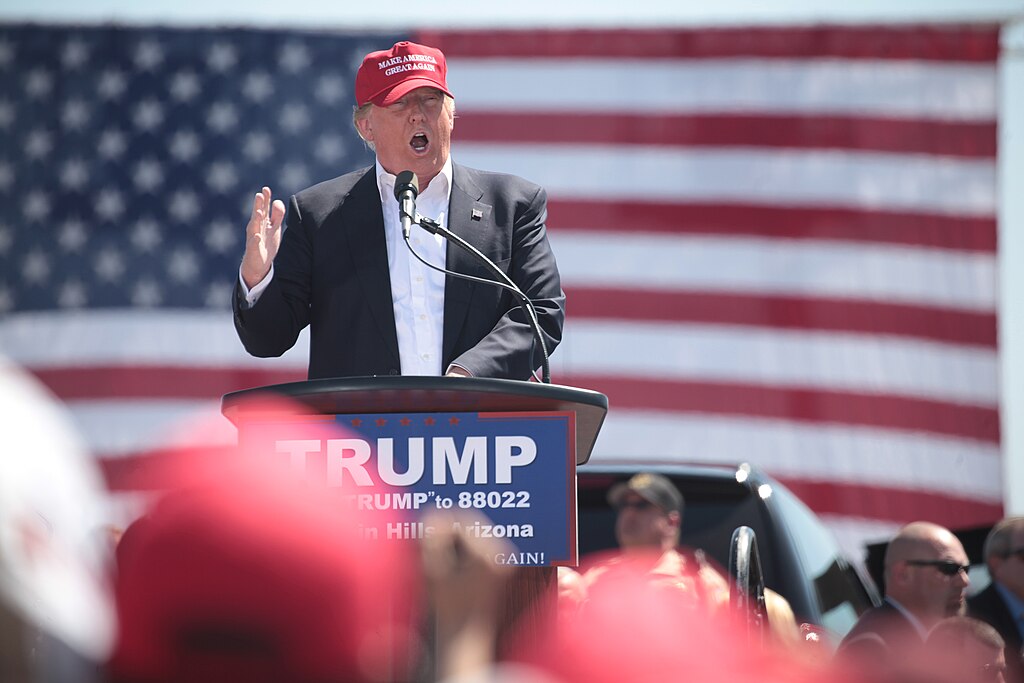
In an unprecedented move, two legal scholars have proposed that Democrats block President-elect Donald Trump from assuming office, citing his role in the January 6, 2021, Capitol insurrection. The proposal has ignited fierce reactions from both sides of the political spectrum, with Republicans accusing Democrats of attempting to undermine the democratic process, while some legal experts argue that Trump’s involvement in the riot disqualifies him from holding office. As the January 6, 2025, certification date approaches, tensions continue to rise.
Legal Scholars Argue for Blocking Trump’s Certification
Evan A. Davis, a Columbia Law School-educated lawyer, and David M. Schulte, a former law clerk for Justice Potter Stewart, argue that Trump should be blocked from taking office based on the 14th Amendment, which bars any individual involved in an insurrection from holding a federal office. In an op-ed published in The Hill, the authors contend that Trump’s involvement in the Capitol attack disqualifies him from the presidency.
"The evidence of Trump’s involvement in insurrection is overwhelming, and the law is clear," Davis said. "Democrats would be justified in rejecting his certification based on this constitutional requirement." Schulte further emphasized the legal responsibility of Congress to ensure that only eligible candidates are certified.
The 14th Amendment’s disqualification clause has become a focal point in this debate, with Davis and Schulte arguing that Trump's actions on January 6, 2021, violate the constitutional oath he took. The scholars point to his efforts to overturn the 2020 election results as a clear case of insurrection, making his certification as president illegitimate.
The Electoral Count Act and Legal Precedents
Davis and Schulte also cite the Electoral Count Act, which lays out procedures for disputing the results of a presidential election. They argue that the law allows Congress to reject electoral votes from states where the candidate is constitutionally disqualified. Their argument builds on the premise that Trump’s participation in the insurrection makes his electoral votes "irregularly given," thus justifying their rejection.
However, the U.S. Supreme Court’s rejection of a similar effort in Colorado, where state courts had ruled that Trump was involved in insurrection, complicates the issue. The Court ruled that states cannot disqualify a presidential candidate, but Davis and Schulte believe the situation is different when Congress is tasked with certifying the results.
Political Fallout and Reactions to the Proposal
The proposal has sparked intense political debate. While some Democrats have acknowledged the legal argument, many have rejected the idea of blocking Trump’s certification. Senator Gary Peters of Michigan and Representative Ted Lieu of California, both Democrats, have publicly stated that they would not challenge the election results unless there was clear evidence of fraud.
On the other hand, Republicans, including Trump’s son Eric Trump, have denounced the proposal. Eric Trump took to social media, accusing the legal scholars of undermining democracy. "You people are sick," he wrote, sharing a link to the op-ed. Trump’s campaign manager, Steven Cheung, also voiced strong opposition, accusing Democrats of attempting to "steal the election" and "invalidate the will of the American people."
Public Reaction on Social Media
As the debate over Trump’s certification continues, Twitter has been flooded with reactions from both supporters and critics of the proposal:
- @erictrump: "You people are sick. This is an attack on democracy!"
- @elonmusk: "Such a crazy thing for them to say. Legacy media is just the propaganda arm of the radical left."
- @stevencheung: "Democrats want to steal the election and invalidate the will of the American people. Threat to Democracy."
- @jerry_dunleavy: "The idea of blocking a duly-elected president is one of the most egregious abuses of power."
- @PoliticoWatcher: "This is nothing more than a partisan attempt to undermine the results of a fair election."
- @LibertyMatters: "If Trump is disqualified, what’s to stop them from disqualifying anyone they don’t like?"
What Happens Next for Trump and Congress
The debate over Trump’s certification is expected to continue leading up to Congress’s certification session on January 6, 2025. While Democrats have expressed no intention of blocking his certification, the legal questions raised by Davis and Schulte remain unresolved. As tensions simmer, the legitimacy of the 2024 election results remains a contentious issue, with both parties preparing for another high-stakes political showdown.













