


 Trump Signs “America First Arms Transfer Strategy” to Prioritize U.S. Weapons Sales
  Trump Endorses Japan’s Sanae Takaichi Ahead of Crucial Election Amid Market and China Tensions
  Netanyahu to Meet Trump in Washington as Iran Nuclear Talks Intensify
  Trump Allows Commercial Fishing in Protected New England Waters
  Trump’s Inflation Claims Clash With Voters’ Cost-of-Living Reality
  Jack Lang Resigns as Head of Arab World Institute Amid Epstein Controversy
  Trump Signs Executive Order Threatening 25% Tariffs on Countries Trading With Iran
  Missouri Judge Dismisses Lawsuit Challenging Starbucks’ Diversity and Inclusion Policies
  U.S. to Begin Paying UN Dues as Financial Crisis Spurs Push for Reforms
  South Korea Assures U.S. on Trade Deal Commitments Amid Tariff Concerns
  Trump Backs Nexstar–Tegna Merger Amid Shifting U.S. Media Landscape
  Nighttime Shelling Causes Serious Damage in Russia’s Belgorod Region Near Ukraine Border
  India–U.S. Interim Trade Pact Cuts Auto Tariffs but Leaves Tesla Out
  Trump Allegedly Sought Airport, Penn Station Renaming in Exchange for Hudson River Tunnel Funding
  Japan Election 2026: Sanae Takaichi Poised for Landslide Win Despite Record Snowfall
  New York Legalizes Medical Aid in Dying for Terminally Ill Patients
  U.S. Announces Additional $6 Million in Humanitarian Aid to Cuba Amid Oil Sanctions and Fuel Shortages


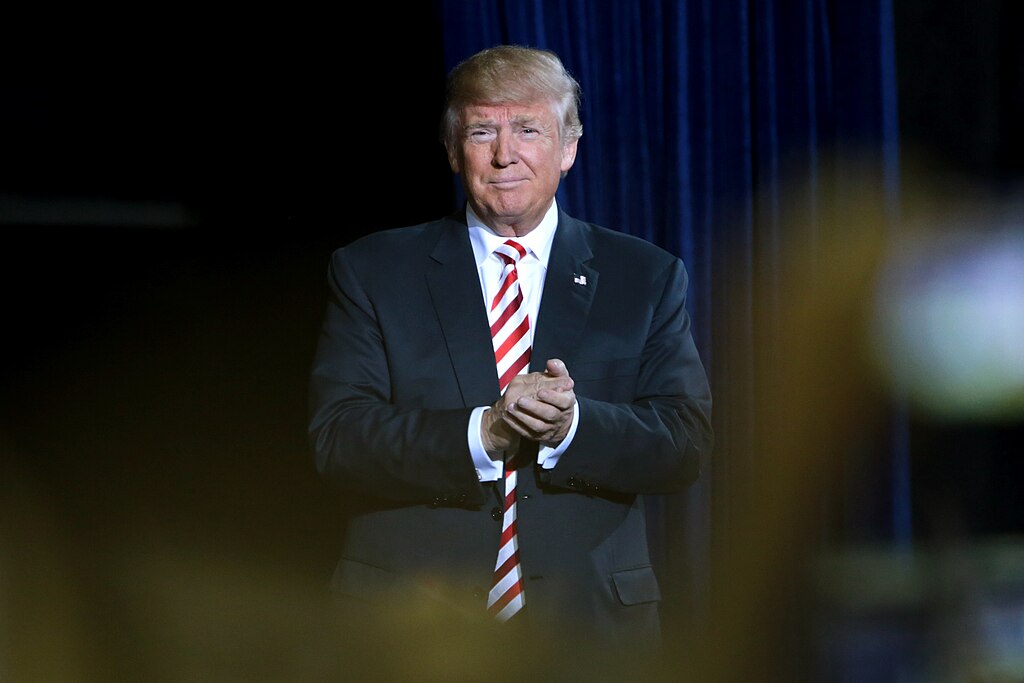
More than a dozen congressional Democrats have announced plans to skip President-elect Donald Trump’s inauguration, signaling deep divisions ahead of the January 20 event. The boycott, a rare and bold move, reflects heightened tensions between Trump and lawmakers opposed to his presidency. The decision comes amid ongoing controversies surrounding the president-elect’s policies, rhetoric, and transition.
In a statement, several boycotting lawmakers expressed their dissatisfaction with Trump’s leadership style and his approach to key issues. While many presidents have faced opposition at their inaugurations, the scale and visibility of this boycott mark a significant departure from tradition.
Key Reasons Behind the Boycott
Lawmakers have cited various reasons for skipping the inauguration, from concerns over Trump’s political agenda to his divisive public statements. For many Democrats, the decision to boycott reflects a broader sense of disapproval with what they see as Trump’s disregard for democratic norms.
Representative John Lewis, a civil rights icon, described the boycott as a “necessary stand” against policies and rhetoric that he believes undermine the country’s values. Other lawmakers echoed his sentiment, emphasizing their commitment to opposing Trump’s agenda through legislative means rather than symbolic attendance.
However, not all Democrats are in agreement. Some argue that attending the inauguration represents respect for the peaceful transfer of power, a cornerstone of American democracy. The divide highlights the challenges facing the party as it navigates a political landscape increasingly defined by polarization.
Public Reactions to the Boycott
The boycott has sparked fierce debate among Americans, with reactions ranging from staunch support to vehement criticism. Social media platforms have become battlegrounds for opinions on the lawmakers’ decision to skip the event.
- @JusticeForAll: “Boycotting Trump’s inauguration is a principled stand. These lawmakers are showing true leadership!”
- @PatriotFirst: “Skipping the inauguration is disrespectful to the office of the presidency, no matter who is elected.”
- @ProgressiveVoice: “These lawmakers are doing what’s right. Trump’s policies don’t reflect the will of the majority!”
- @IndependentVoter88: “The boycott sets a dangerous precedent. We need unity, not more division, in this country.”
- @LiberalLeader2024: “This isn’t just about politics—it’s about standing up for American values.”
- @TrumpSupporter2020: “This boycott is just sour grapes. Trump won, fair and square. Get over it!”
Implications for Trump’s Presidency
The boycott underscores the steep challenges Trump faces in uniting the country as he assumes office. While inaugural boycotts are not unprecedented, the scale of this one reflects a deeper divide in American politics. For the president-elect, the absence of over a dozen lawmakers could cast a shadow over his efforts to project a message of unity.
Meanwhile, Democratic lawmakers participating in the boycott are doubling down on their commitment to oppose Trump’s policies, signaling a combative approach as the new administration takes shape. For both sides, the inauguration marks not just a transfer of power but the beginning of a contentious political era.













