


 Oil Prices Fall as Iran Proposes New Deal Amid Ongoing U.S. Tensions
  Oil Prices Ease but Remain Set for Strong April Gains Amid Middle East Tensions
  US Stock Futures Rise as S&P 500 and Nasdaq Hit Record Highs Amid Earnings Optimism and Iran Tensions
  Markets Stay Strong Despite Oil Shock Concerns as Earnings Drive Investor Confidence
  Stock Market Update: Fed Holds Rates Steady as Tech Earnings and Geopolitical Tensions Shape Outlook
  US Stock Futures Mixed as Fed Holds Rates, Oil Prices Surge, and Big Tech Earnings Drive Market Moves
  AI Stocks Rally in Asia as Oil Surge and Hawkish Central Banks Shake Global Markets
  Asian Stocks Slip as Oil Prices Surge and Fed Signals Inflation Risks
  Panama Defends Port Takeover Amid U.S.-China Tensions and Canal Dispute
  Asian Stock Markets Rise Amid Wall Street Rally and U.S.-Iran Tensions
  Yen Weakens After Intervention Spike as Dollar Stabilizes Amid Global Tensions
  Gold Prices Hold Steady as Iran War and Interest Rate Outlook Weigh on Markets
  Dollar Holds Near Two-Week High as Fed Hawkish Shift Lifts Yields, Yen Near Intervention Zone
  EU Warns of Response as U.S. Considers 25% Tariffs on Car Imports
  Trump Rejects Iran Proposal as Tensions Persist Amid Fragile Ceasefire


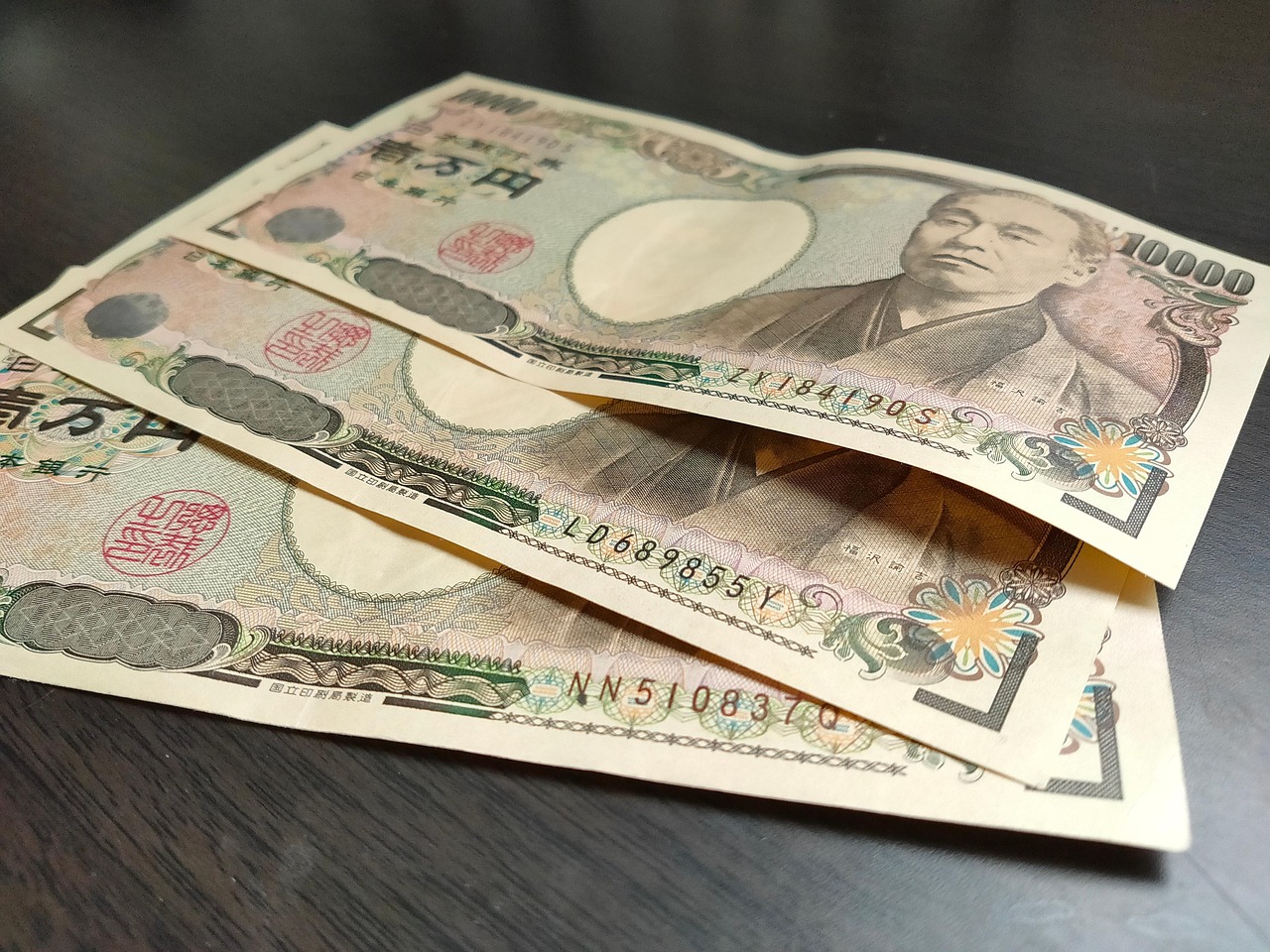
Currency markets closely monitored the Japanese yen on Friday after suspected intervention by Tokyo triggered significant volatility, while the U.S. dollar began May with a modest rebound following April losses. The U.S. dollar index (DXY) rose 0.2% to 98.23, recovering slightly after posting its worst monthly decline since August last year.
The Japanese yen weakened again, with the USD/JPY pair climbing to around 157. The currency had previously surged after Japan likely intervened when the pair crossed the key 160 level, its highest point since June 2024. Analysts estimate that Tokyo may have spent approximately $34.5 billion in its first intervention since July 2024. However, many experts believe the impact may be short-lived unless additional interventions occur, with expectations that USD/JPY could eventually move back toward the 160 range.
Further pressure on the yen came from weaker-than-expected Tokyo inflation data for April. The consumer price index suggested that government subsidies on food and utilities are continuing to keep inflation subdued. This softer inflation outlook contrasts with the Bank of Japan’s recent hawkish stance, as it raised inflation forecasts and hinted at potential interest rate hikes in the coming months.
Meanwhile, the U.S. dollar found support from ongoing geopolitical tensions and shifting monetary policy expectations. Demand for the greenback increased toward the end of April as concerns grew over a prolonged U.S.-Iran conflict. Although Iran has reportedly proposed revised peace terms through mediators, uncertainty remains after U.S. officials expressed dissatisfaction with the offer.
The Federal Reserve’s latest meeting also signaled a cautious approach, with policymakers showing less willingness to cut interest rates due to persistent inflation risks linked to global tensions. In Europe, both the European Central Bank and the Bank of England kept interest rates unchanged, resulting in limited movement in the euro and British pound.
Overall, forex markets remain influenced by central bank policies, geopolitical risks, and currency intervention, keeping traders focused on yen volatility and the direction of the U.S. dollar.







