


 Trump Administration Bars U.S. Travelers From Congo Flights Amid Ebola Outbreak
  Venezuela Appoints Felix Plasencia to Lead Foreign Relations and Trade
  US-Iran Strikes Escalate as Strait of Hormuz Crisis Pushes Oil Prices Higher
  Israeli Strikes Kill Six in Gaza as Ceasefire Talks Continue in Cairo
  Trump Administration Launches AI Cybersecurity Partnership to Protect Critical Infrastructure
  UK Sanctions 24 Russian-Linked Targets Over Cyberattacks and Election Interference
  Trump Administration Bars U.S. Travelers From Congo Flights Amid Ebola Outbreak
  Trump Says U.S. Strikes on Iran Will Continue Until Nuclear Deal Is Reached
  HHS Watchdog Reports $5.56 Billion in Healthcare Fraud Recoveries as Enforcement Actions Decline
  EU Weighs New Trade Restrictions on Israeli West Bank Settlements
  Western Allies Push for More Air Defenses for Ukraine at Paris Summit
  Minnesota Wildfires Spread as Governor Tim Walz Deploys National Guard
  UN Says Hamas Disrupted Gaza Aid Distribution, Group Denies Allegations
  Reuters/Ipsos Poll: Most Americans Expect U.S.-Iran War to Be Prolonged
  Russia Launches Missile and Drone Attacks on Kyiv, Zaporizhzhia, and Kharkiv
  Trump Administration Hands Over Key Evidence in Minnesota Immigration Shooting Investigations


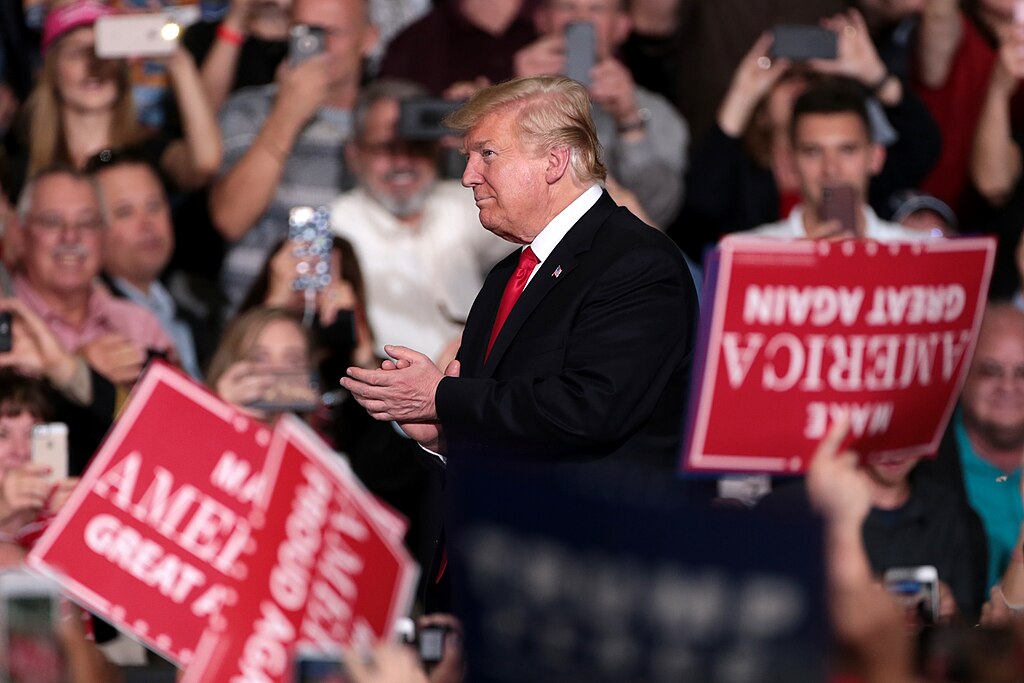
President-elect Donald Trump has announced a dramatic shift in U.S. foreign aid policies for 2025, emphasizing an “America First” strategy. The plan focuses on reducing spending on international programs while redirecting resources to domestic priorities and select nations deemed strategically beneficial to U.S. interests.
Trump’s transition team released details of the proposal this week, which includes significant cuts to humanitarian aid and a reevaluation of funding to multilateral organizations like the United Nations. While supporters view the move as a bold effort to ensure taxpayer dollars serve Americans first, critics argue it could harm global stability and America’s diplomatic influence.
Key Changes to U.S. Foreign Aid
The cornerstone of Trump’s foreign aid policy is cutting funding to countries that fail to align with U.S. economic and security interests. The administration plans to tie aid directly to measurable outcomes, focusing on nations that demonstrate clear alignment with American values and strategic goals.
One major shift involves reducing aid to programs addressing climate change. Trump has reiterated his stance that funding for such initiatives detracts from more pressing concerns, including bolstering national defense and supporting American workers. Additionally, the plan calls for a 20% reduction in contributions to the United Nations, citing inefficiencies within the organization.
Conversely, Trump aims to boost aid to nations like Israel and select allies in the Indo-Pacific region to counterbalance China’s growing influence. Increased military aid and economic incentives are expected to form the backbone of these partnerships.
Mixed Reactions Spark Heated Debate
The announcement has sparked a firestorm of reactions, with opinions sharply divided on social media. While some applaud Trump’s focus on accountability, others warn of dire consequences for global health, education, and security programs.
- @GlobalPolicyGuru: “Cutting aid is short-sighted. Global problems don’t disappear because we ignore them—they just land at our doorstep.”
- @AmericaFirstNow: “Finally, a president prioritizing Americans! Why should we send billions overseas while our own people struggle?”
- @UNAdvocate2025: “Reducing funding to the UN undermines global cooperation. This will hurt America’s reputation and its allies.”
- @EconomicPatriot: “Foreign aid must be earned, not handed out. Trump is right—our money should work for us.”
- @ClimateActionHero: “Trump’s cuts to climate programs are reckless. The environment is a global issue requiring global solutions!”
- @SecurityStrategist: “Strategic aid to allies like Israel is essential, but slashing humanitarian funds is a recipe for instability.”
Concerns Over Global Stability
Experts warn that Trump’s policies could have far-reaching implications. Humanitarian groups caution that cuts to global health and education programs may exacerbate poverty and lead to instability in fragile regions. Additionally, critics argue that reducing contributions to multilateral organizations like the UN could weaken America’s leadership in addressing global crises.
Supporters of Trump’s approach contend that aid should not be a “blank check” for uncooperative nations. By tying funds to accountability and strategic benefits, they argue, the U.S. can ensure its investments yield tangible results.
As the administration prepares to implement these changes in January, Congressional approval remains a potential hurdle. Bipartisan resistance could challenge Trump’s plans, particularly as lawmakers weigh the long-term consequences of reduced global engagement.







