


 California AG Subpoenas OpenAI Over AI Cybersecurity Incidents
  California Leads Lawsuit Over Trump’s $810 Million Funding Cuts
  US Appeals Court Keeps Trump IRS Case Sanctions in Place
  New York Declares Measles Disaster Emergency as Cases Surge
  San Francisco Halts New Data Center Construction With 45-Day Moratorium
  JPMorgan CEO Jamie Dimon Warns Mythos AI Raises Cyber Risk Tenfold
  Zcash Prepares for NU7 Upgrade as Zebra Gets Key Security Fixes
  ICC Rules Duterte Fit to Stand Trial in Drug War Case
  Polkadot Launches dotUSD Stablecoin as DOT Price Falls
  Trump Orders Firing Squad Execution for Fort Hood Gunman
  EU Gives Crypto Platforms Three Months to Remove USDT Under MiCA Rules
  Meta Found Liable in New Mexico Facebook Data Privacy Case
  Europol Warns Bitcoin Wallets Face Quantum Computing Risk
  Apple Names Steve Smith M&A Chief in Leadership Shakeup
  Anthropic Launches Claude Dashboards and Motion AI Tools
  Illinois Delays Crypto Tax Law Until July 2027


 Add as a preferred source on Google
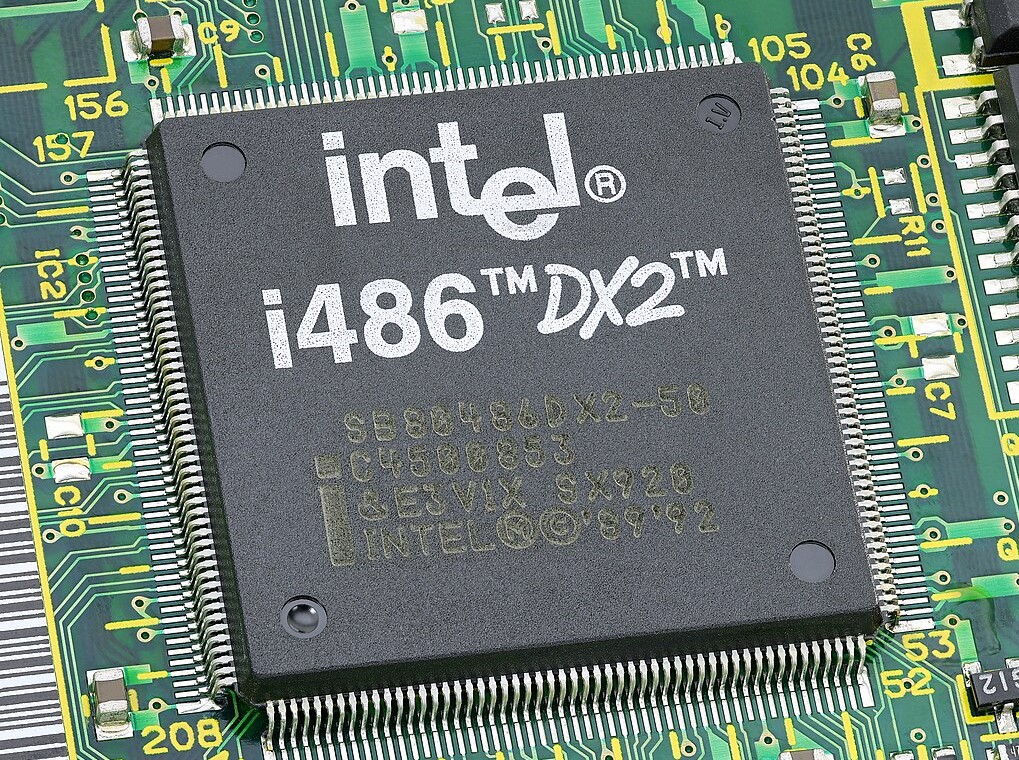
The General Court of the European Union has significantly reduced Intel’s antitrust fine, lowering it from the previously imposed €376 million to €237.1 million ($438 million to $276 million). The ruling, issued Wednesday, marks the latest development in a case that has spanned more than a decade and centers on allegations that Intel engaged in anti-competitive practices to shut out rival chipmaker Advanced Micro Devices (AMD).
In its decision, the Luxembourg-based court stated that the revised amount “is a more appropriate reflection of the gravity and duration of the infringement at issue,” signaling that while Intel’s conduct did violate EU competition rules, the initial financial penalty was higher than warranted. The European Commission, the EU’s primary competition regulator, had reinstated a €376 million fine in 2023 after the same court annulled an earlier and far larger €1.06 billion penalty issued in 2009.
The longstanding dispute focuses on claims that Intel used rebates and incentives to pressure computer manufacturers into limiting or delaying products powered by AMD processors. Regulators argued that such tactics distorted market competition within the semiconductor sector. While the court upheld findings of wrongdoing, it concluded that a recalibrated fine better aligns with the nature and impact of Intel’s actions.
Intel’s renewed challenge sought to overturn the fine entirely, but the court rejected that attempt. The company, one of the world’s largest semiconductor manufacturers, has been engaged in legal battles with EU authorities for years as competition within the global chip market intensifies.
The reduced penalty underscores the EU’s continued scrutiny of dominant tech companies while highlighting the complexity of antitrust cases in rapidly evolving industries. As Intel and AMD remain major forces in the CPU market, the ruling reinforces the importance of maintaining fair competition practices across the tech landscape.







