


 Florida Seeks Tougher Meta Rules to Protect Young Users
  Crypto Rallies as CLARITY Act Failure Opens Door to Faster SEC Rules
  US DOT Ends Airline Privacy Review Without Enforcement
  Tencent Shares Fall as $5 Billion AI Bond Sale Weighed
  Anthropic Launches Claude Dashboards and Motion AI Tools
  Zcash Prepares for NU7 Upgrade as Zebra Gets Key Security Fixes
  Amazon Cuts More Jobs as AI Investment Expands
  Solidigm Taps Goldman, Morgan Stanley for $10 Billion US IPO
  DogecoinVM Makes DOGE Transactions 300x Faster
  CFTC Moves to Set New Crypto Rules After CLARITY Act Failure
  US Conducts Non-Nuclear Explosion Test to Boost Nuclear Detection
  US Suspends Microsoft, Adobe From Green Card Program
  TikTok Accused of Testing Fake Safety Tools on Users
  San Francisco Halts New Data Center Construction With 45-Day Moratorium
  TSMC Q3 Revenue Beats Estimates as AI Chip Demand Surges
  Litecoin Marks 15 Years as Grayscale Backs LTC ETF Push
  OpenAI Annualized Revenue Hits $50 Billion, Below Earlier Estimates


 Add as a preferred source on Google
EchoStar has agreed to sell wireless spectrum licenses to SpaceX for about $17 billion, boosting SpaceX’s Starlink satellite network while easing U.S. regulatory concerns. The deal, announced Monday, sent EchoStar shares up nearly 22% in premarket trading.
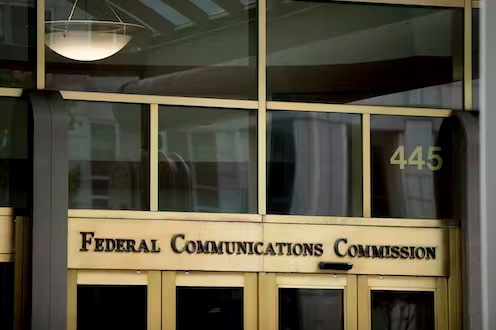
The Federal Communications Commission (FCC) had questioned EchoStar’s underuse of mobile-satellite service spectrum and its progress in 5G deployment. U.S. President Donald Trump had also urged the company and FCC Chair Brendan Carr to find common ground. EchoStar believes this transaction, combined with its $23 billion spectrum sale to AT&T in August, will resolve FCC inquiries.
Under the agreement, SpaceX will pay up to $8.5 billion in cash and $8.5 billion in stock, while also covering around $2 billion in EchoStar’s debt interest through 2027. Additionally, EchoStar’s Boost Mobile customers will gain access to Starlink’s direct-to-cell service, enhancing connectivity for mobile users.
This sale means EchoStar will lose significant spectrum for 5G deployment but continue operating Dish TV, Sling TV, HughesNet internet, and the Boost Mobile brand.
The FCC has emphasized the need for efficient use of scarce spectrum, while SpaceX has long argued that EchoStar left valuable mid-band spectrum underutilized. In April, SpaceX told regulators that EchoStar’s 2 GHz spectrum was “ripe for sharing” and better suited for next-generation satellite services.
The agreement strengthens Starlink’s ability to run direct-to-cell services on its own frequencies, reducing reliance on carrier partnerships like T-Mobile. With over 8,000 Starlink satellites launched since 2020, SpaceX continues to expand its low-Earth orbit network, serving militaries, businesses, and rural consumers.
Shares of U.S. telecom giants AT&T, T-Mobile, and Verizon slipped about 4% in premarket trading following the announcement.







