


 Iraq PM Visits Washington as U.S. Oil, Gas Deals Take Center Stage
  Bernstein Names IAG, Ryanair as Top European Airline Stocks Ahead of Earnings
  Chinese Chip Stocks Jump as Apple Reportedly Tests CXMT Memory Chips for China Devices
  China 618 Smartphone Sales Drop 13% as Higher Prices Hurt Demand, Huawei Gains Market Share
  Deutsche Bank Sees Global Capital Shifts Reshaping Long-Term U.S. Dollar Outlook
  Morgan Stanley Says China’s Reusable Rocket Progress Poses Long-Term Challenge to SpaceX
  TSMC Q2 Revenue Surges 36% as AI Chip Demand Powers Growth Ahead of Earnings
  Dollar Rises as Middle East Conflict Fuels Inflation and Rate Hike Fears
  US-Iran Strikes Escalate as Strait of Hormuz Crisis Pushes Oil Prices Higher
  Samsung Chairman Lee Jae-yong Expected to Meet Nvidia CEO Jensen Huang on AI and Chip Partnership
  EU Weighs New Trade Restrictions on Israeli West Bank Settlements
  Bank of America Upgrades T-Mobile to Buy, Says LEO Satellite Fears Are Overdone
  Apple Sues OpenAI, Former Employees Over Alleged Trade Secret Theft
  Elon Musk Says Anthropic Leads AI Race as Claude Models Challenge OpenAI
  Trump, Canada Reach Gordie Howe Bridge Deal Ahead of July 27 Opening


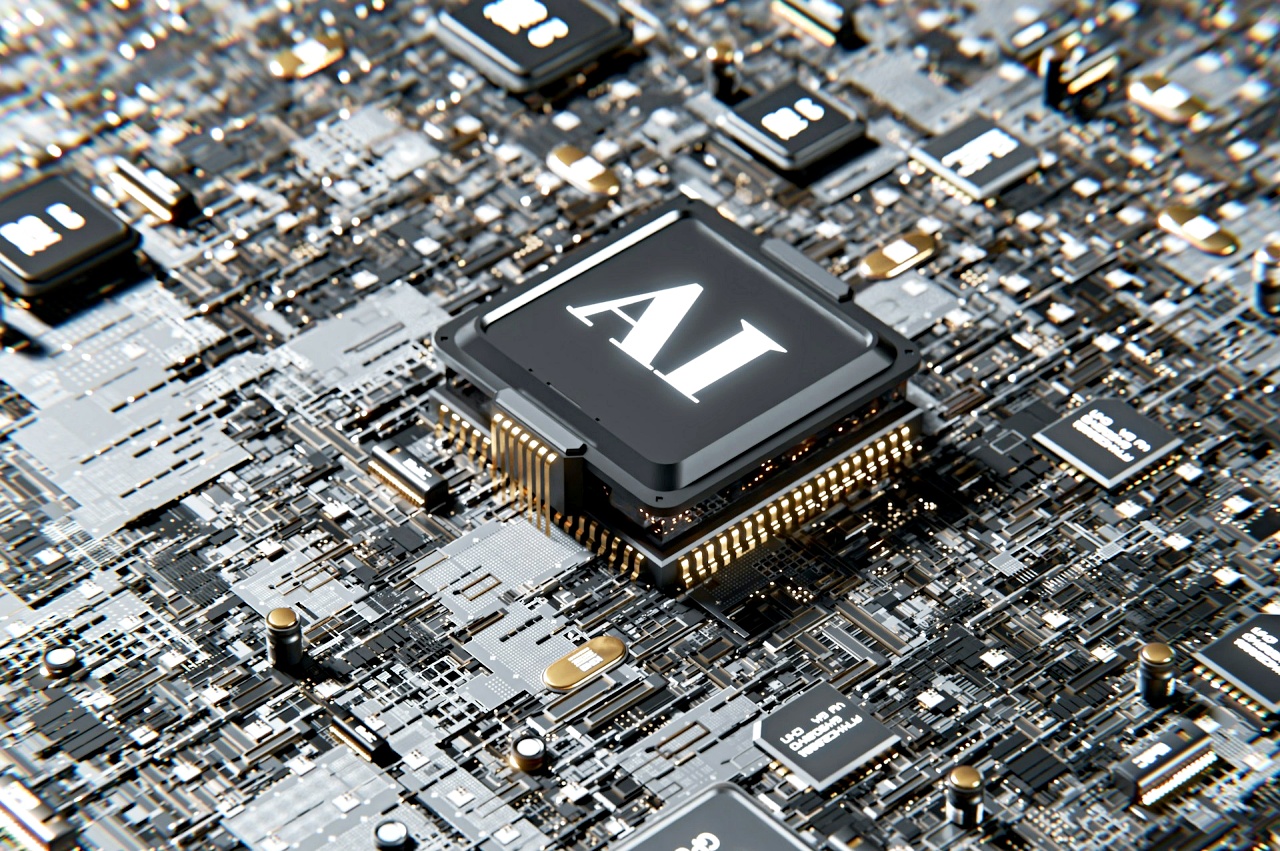
New research from HSBC reveals that only about a quarter of European companies have adopted artificial intelligence—roughly half the adoption rate seen in the United States. While sectors such as financial services, communication services, industrials, and technology show stronger AI integration, overall uptake across Europe remains subdued compared with U.S. businesses, which are rapidly embracing AI-driven transformation.
According to HSBC, American companies already utilizing AI have reported measurable improvements, including increased productivity, reduced operational costs, and stronger share price performance. In contrast, European firms using AI have not experienced the same level of market outperformance. The bank attributes this gap to both structural challenges and a more conservative approach toward implementing advanced technologies within European organizations.
HSBC highlights two key factors contributing to Europe’s slower progress: companies across the continent often adopt AI more cautiously, and typical European AI adopters generate less revenue and net income per employee compared with their U.S. counterparts. This dynamic may delay the visible impact of AI on financial results for many European businesses.
Despite the lag, the bank points to several promising examples that demonstrate AI’s growing potential in Europe. SAP has reported a remarkable 20-fold boost in productivity through AI-enhanced processes. UniCredit has dramatically shortened consumer loan approval times from 24 hours to just 25 minutes through automation. L’Oréal is using generative AI to accelerate the discovery of new molecules for next-generation hair products, while BP has cut its well-planning timeline by an impressive 90%.
HSBC concludes that “Europe’s AI moment is delayed,” but emphasizes that broader adoption could become a major catalyst for the region’s markets by 2026. As more companies begin to integrate AI into their operations, Europe may eventually unlock the same competitive advantages already seen in the U.S., including efficiency gains, innovation, and improved profitability.







