


 Asian Stocks Mixed in March 2026 Amid Iran War Fears and Tech Selloff
  RBC Capital: European Medtech Firms Show Minimal Middle East and Energy Risk Exposure
  Iran Strikes Oil Tanker Near Dubai Amid U.S. Threats and Ongoing Middle East Conflict
  South Korea Manufacturing PMI Hits 4-Year High in March 2025 Driven by Semiconductor Demand
  Asian Currencies Hold Steady Amid U.S.-Israel-Iran Tensions and BOJ Signals
  Bank of Korea Nominee Shin Hyun-song Calls for Flexible Monetary Policy Amid Iran War Risks
  Asian Stocks Surge on Trump's Iran War Comments and Dip-Buying
  Japan Business Sentiment Rises as Iran War Fuels Inflation Fears, BOJ Rate Hike Looms
  Dollar Surges to Nine-Month High as Middle East Tensions Drive Safe-Haven Demand
  Japan's Business Confidence Rises Despite Iran War Uncertainty, BOJ Rate Hike Expected
  Gold Prices Rebound in Asia Amid Iran War Ceasefire Hopes
  U.S. Dollar Posts Strong Monthly Gain Amid Middle East Conflict Despite Late Dip
  U.S. Stocks Surge on Iran War De-escalation Hopes
  Australia Bans Card Payment Surcharges Starting October 2025
  China Manufacturing PMI Hits 12-Month High Amid Energy Price Concerns
  Aluminum Prices Surge Toward Four-Year Highs After Gulf Smelter Strikes
  U.S. Trade Rep Dismisses WTO's Future Role After Failed Cameroon Summit


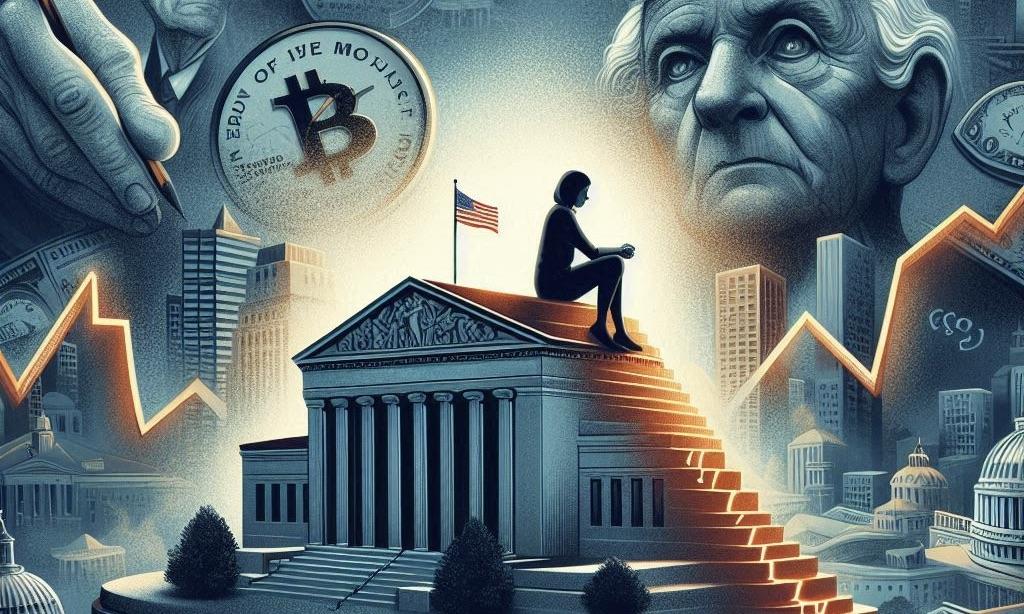
With inflation cooling and the labor market slowing, the Federal Reserve is facing a pivotal decision this month on whether a modest interest rate cut will be enough to keep the U.S. economy expanding. Fed officials are divided, with some urging a more aggressive approach to avoid recession.
Fed Poised to Ease Tightening Amid Inflation Drop, Job Slowdown Sparks Debate on Rate Cuts
This month, the Federal Reserve is expected to begin unwinding its tightening campaign as inflation decreases and the labor market experiences a slowdown. The primary concern that policymakers are currently confronted with is whether a modest reduction in interest rates will suffice to maintain the economy in an expansionary state.
The monthly jobs report released on September 6 indicated that the hiring rate in the United States has slowed to its lowest level since the pandemic began in 2020, as it has moderated over the past three months. Nevertheless, the figures prompted investors to question whether Fed officials would choose to implement an excessive rate reduction during their meeting on September 17-18.
According to Diane Swonk, chief economist at KPMG, the release "sets the table for a heated debate"between officials like Fed Chair Jerome Powell, who are open to a broader cut to ensure the central bank doesn't fall behind the curve, and others who "are still waffling on a quarter point."
The consequences are substantial. During Powell's tenure, the Federal Reserve committed the error of acting too late to address the most severe inflationary episode since the early 1980s, thereby diminishing the purchasing power of American households. Unemployment may increase, and the economy may enter a recession if it proceeds inadequately at this time.
“Powell has got to be thinking about his legacy right now, and he’s really got to nail this soft landing,” Swonk said.
Fed Faces Tough Choice: Gradual Easing or Aggressive Rate Cuts as Economic Risks Mount
The decision that Fed officials must make—whether to progressively ease or front-load rate cuts—will be contentious, as is frequently the case during significant monetary policy turning points, per Bloomberg.
Some economists believe a more significant risk is associated with a cautious approach than pursuing an aggressive strategy, as most economic activity indicators are experiencing a downward trend. Rising joblessness can self-perpetuate rapidly as consumers reduce their expenditures, which leads to an increase in the number of companies that terminate employees. The unemployment rate increased by nearly a percentage point from its low point last year, triggering the "Sahm rule," a widely used recession indicator.
“It raises some serious questions, not just about this meeting, but over the next several months,” Chicago Fed President Austan Goolsbee said Friday on CNBC. “How do we make an effort to not have things turn into something worse.”
Job openings in July experienced their lowest level since the commencement of 2021, according to a separate Bureau of Labor Statistics report released on September 4. At the peak of the pandemic-era labor shortages, the ratio of openings to unemployed Americans reached as high as two to one. However, it has since returned to approximately one-to-one.







