


 Sara Duterte Impeachment Trial Opens, Putting 2028 Philippine Election in Focus
  Trump Orders DOJ Investigation Into Exxon, Chevron Over High Gas Prices
  OpenAI Executive Fidji Simo to Step Down Amid Health Challenges Ahead of IPO
  TSMC Q2 Revenue Surges 36% as AI Chip Demand Powers Growth Ahead of Earnings
  Texas Man Charged After Fatal Tesla Full Self-Driving Crash in Katy
  Elon Musk Says Anthropic Leads AI Race as Claude Models Challenge OpenAI
  Oppenheimer Sees CNH Industrial as Top 2026 Agriculture Stock Pick on Dealer Consolidation Strategy
  Fortescue Faces Class Action Over Sexual Harassment Claims at Australian Mining Sites
  ICC Says Darfur War Crimes Probe Reaches Breakthrough in Sudan Investigation
  Paramount-Warner Bros. Discovery Merger Faces Lawsuit From 12 States
  Trinidad Businessman Dominic Hadeed Appeals Detention Over Alleged Assassination Plot
  Deutsche Bank Fined A$2 Million by ASIC Over OTC Derivatives Reporting Errors
  SoftBank Corp Partners With Sierra to Expand AI Customer Support Across Japan
  US Appeals Court Limits ICE Detention Without Bond Hearings After 90 Days
  Judge Orders $5.8 Million Payment to E. Jean Carroll After Trump Loses Appeal Bid
  DOJ Subpoenas New York Times Journalists Over Air Force One Leak Report
  SK Hynix Prices Record U.S. ADR Offering at $149 After $200 Billion Investor Demand


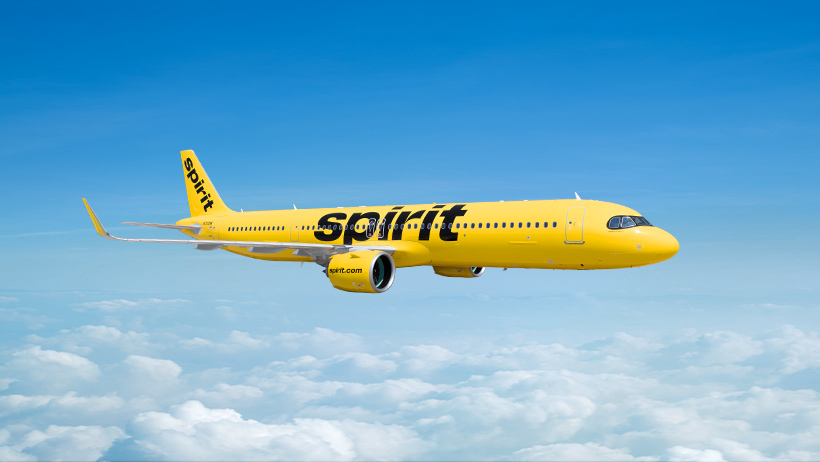
In a recent decision, U.S. District Judge William Young in Boston has blocked JetBlue Airways' planned $3.8-billion acquisition of Spirit Airlines. The judge agreed with the U.S. Department of Justice, stating that the deal was anticompetitive and would harm ticket buyers.
This ruling, Reuters noted, marks a victory for the White House in its efforts to prevent further consolidation in the U.S. airline industry.
Impact on the Market
The Associated Press reported that the acquisition would have created a merged entity that controls 10.2% of the domestic market, challenging larger carriers' dominance. However, Judge Young recognized that the deal would likely increase competitive pressure on these larger carriers.
Despite this, he highlighted the harm that would befall Spirit Airlines and its unique, low-price model. This ruling raises concerns about the viability of other proposed mergers within the industry.
Elimination of Low Fares
Judge Young noted that the acquisition would eliminate Spirit Airlines' low fares and its ability to pressure other airlines, including JetBlue, to reduce prices. When Spirit enters a market, rivals typically lower prices by 7% to 11%. Consumers value this unique, economical product option, and its removal is seen as a tangible harm.
President Joe Biden hailed the ruling as a victory for consumers, emphasizing the importance of lower prices and more choices. Spirit Airlines' future is questioned as the carrier has struggled financially due to rising operating costs and persistent supply chain issues. The ruling led to a significant drop in Spirit's shares and a slight increase in JetBlue's shares.
The Courthouse Doors Remain Open
Both JetBlue and Spirit Airlines have the option to appeal the ruling. While the ruling favors the Justice Department, Judge Young did not completely bar any combination of the two companies. He said the deal could be revisited if additional asset divestitures are made.
This ruling has broader implications for the U.S. airline industry and its ongoing consolidation efforts. It signifies a concerted effort to protect fair competition and prevent further concentration of market power. The fate of other proposed mergers, such as Alaska Air's acquisition of Hawaiian Airlines, may now be scrutinized.
Judge Young clarified that the courthouse doors remain open should the defendant airlines choose to pursue the deal again. This leaves room for future negotiations or modified proposals that address anticompetitive concerns and protect consumer interests.







