


 Fairshake Backs 32 Pro-Crypto House Candidates
  CNN, MS NOW and Politico Sue Trump Over White House Media Ban
  US Charges Maduro and Wife With Torture Conspiracy
  Mexico Bars Dual Citizens From Presidential Races Starting in 2028
  Saudi Airport Attacks Kill Three as Yemen Fighting Escalates
  EU Rejects Italy, Greece Calls for Fiscal Rule Flexibility
  California Leads Lawsuit Over Trump’s $810 Million Funding Cuts
  Second DOJ Lawyer Exits Trump Probe
  Evan Gershkovich Says FSB Set Trap for 2023 Russia Arrest
  US Suspends Microsoft, Adobe From Green Card Program
  Merz Warns of Extremism After AfD Gains Power in Saxony-Anhalt
  US Supreme Court Revives Trump Administration Voter Citizenship Database
  Marco Rubio Warns Russia-Ukraine War Could Spark Wider Conflict
  Judge Orders Trump to Restore White House Access for CNN, MS NOW and Politico
  Trump Plans Diesel Tax Relief as Fuel Prices Hit Record Highs
  US Pressures Allies to Distance From Anti-Disinformation Conference
  Crypto Rallies as CLARITY Act Failure Opens Door to Faster SEC Rules


 Add as a preferred source on Google
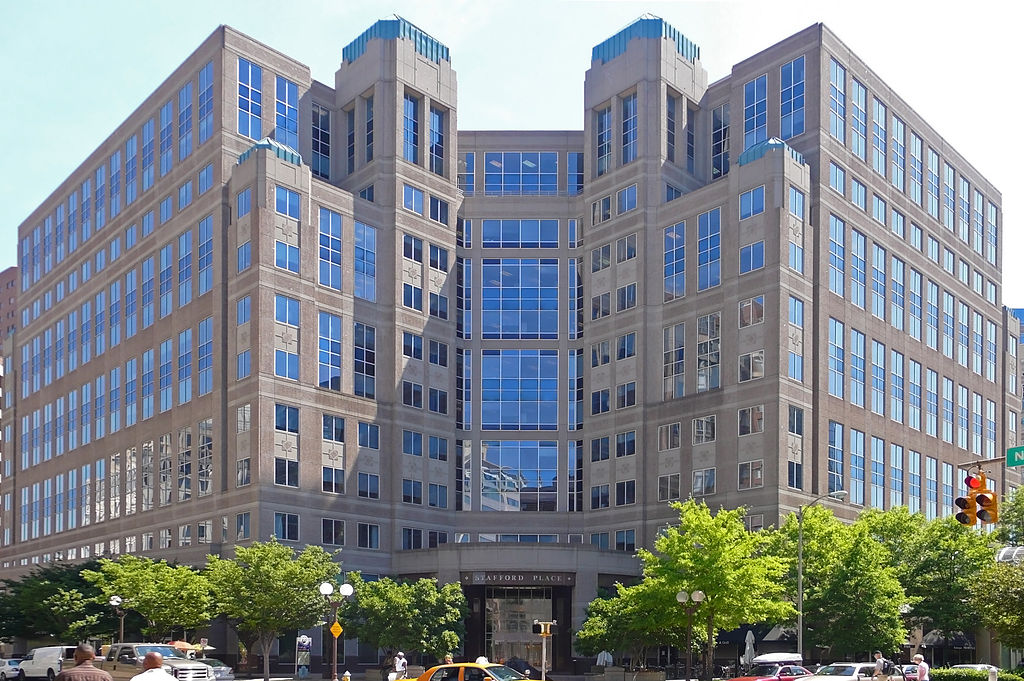
A federal judge has blocked the National Science Foundation (NSF) from enforcing a controversial policy that would have sharply reduced indirect cost reimbursements to U.S. universities conducting scientific research. The NSF’s May 2 policy imposed a 15% cap on how much grant money could be used for overhead costs such as lab maintenance, electricity, and administrative staff—significantly lower than the 50–65% rates many institutions had previously negotiated.
U.S. District Judge Indira Talwani, appointed by President Obama, ruled the NSF's decision “arbitrary and capricious,” siding with a lawsuit filed by the Association of American Universities, two academic groups, and 13 major institutions including MIT, Princeton, and the University of California. The plaintiffs argued that such cuts would severely damage America’s scientific competitiveness.
The NSF, which has a $9 billion budget, claimed the cap was aimed at curbing rising administrative expenses, which had reached $1.07 billion out of its $4.22 billion higher education research grant pool. The Trump administration had also frozen billions in research funds across agencies, including NIH and the Department of Energy, targeting programs deemed misaligned with its priorities.
The court's ruling follows similar injunctions against funding restrictions at NIH and the Department of Energy. Meanwhile, a separate 15% cap adopted by the Department of Defense has also been temporarily blocked, with a court hearing scheduled for July 2.
Universities assert that reduced funding for indirect costs undermines the infrastructure essential for cutting-edge research. The decision is seen as a victory for academic institutions defending their ability to support federally funded research amid growing political and fiscal pressures.
Neither the NSF nor the White House responded to requests for comment following the ruling.







