


 Elon Musk Says Anthropic Leads AI Race as Claude Models Challenge OpenAI
  OpenAI Executive Fidji Simo to Step Down Amid Health Challenges Ahead of IPO
  Meta Says States Seek $1.4 Trillion in Penalties Over Teen Social Media Addiction Lawsuit
  SK Hynix Shares Drop After Strong Nasdaq Debut Despite $26 Billion ADR Listing
  Apple Sues OpenAI, Former Employees Over Alleged Trade Secret Theft
  Fortescue Faces Class Action Over Sexual Harassment Claims at Australian Mining Sites
  DOJ Grand Jury Investigates UAW President Shawn Fain Ahead of Union Election
  Nvidia Tightens AI Chip Sales in Asia With Stricter Customer Approval Process
  SoftBank Corp Partners With Sierra to Expand AI Customer Support Across Japan
  Deutsche Bank Fined A$2 Million by ASIC Over OTC Derivatives Reporting Errors
  Samsung to Launch First Yongin Chip Plant by 2029 as South Korea Speeds Up Semiconductor Hub
  SK Hynix Soars 13% in Nasdaq Debut After Record $26.5 Billion IPO
  Levi Strauss Raises 2026 Outlook After Q2 Earnings Beat, Shares Drop Despite Strong Results
  US Judge Seeks Explanation for DOJ’s Decision to Drop Gautam Adani Bribery Case
  LG Energy Solution Q2 Profit Plunges 77% Despite Revenue Growth on Weak EV Demand
  Yaskawa Electric Shares Slide as Weak Profit Overshadows Strong AI Demand


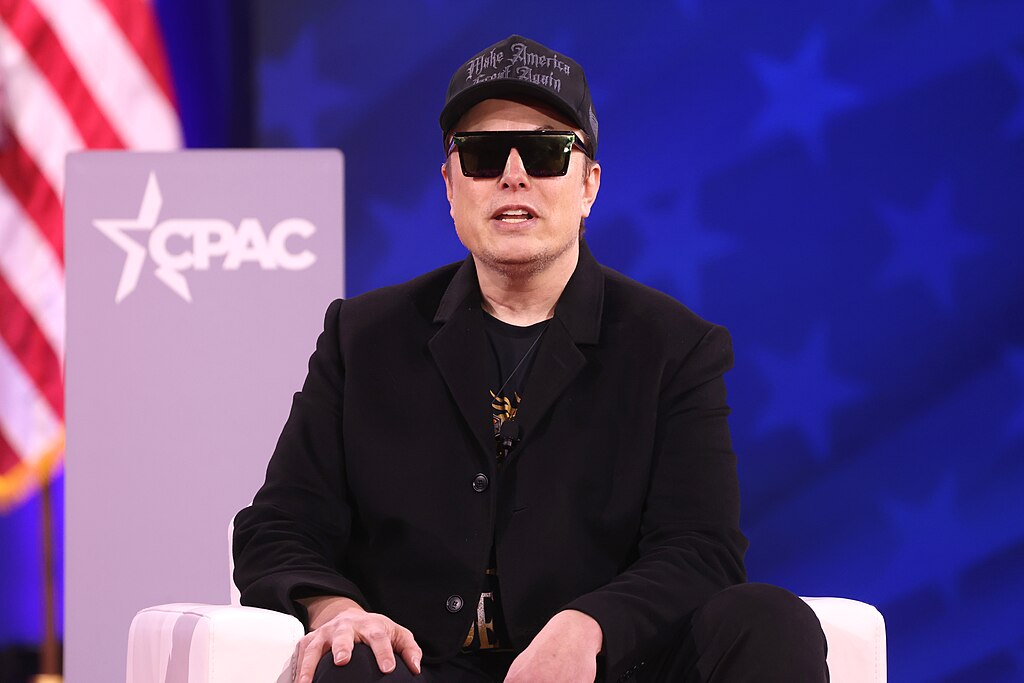
A federal judge in Oakland, California, has rejected renewed attempts by OpenAI and Microsoft to dismiss a high-profile lawsuit filed by Elon Musk, allowing the case to proceed to a jury trial starting April 27. The ruling marks a significant development in an ongoing legal battle that highlights growing tensions around artificial intelligence governance, commercialization, and corporate influence.
The lawsuit, brought by Musk, accuses OpenAI, its CEO Sam Altman, and key partners of fraud and misrepresentation. Musk, who co-founded OpenAI in 2015, claims he was misled about the organization’s long-term mission. According to the complaint, OpenAI originally positioned itself as a nonprofit entity focused on developing artificial intelligence for the public good. Musk alleges that the company later abandoned this nonprofit public-benefit purpose and transitioned into a for-profit structure that is closely aligned with Microsoft Corporation, which has invested billions of dollars into OpenAI and integrated its technology into commercial products.
OpenAI and Microsoft argued that Musk’s claims were legally insufficient and lacked factual support, urging the court to dismiss the case. However, U.S. District Judge Yvonne Gonzalez Rogers ruled that there are enough disputed facts to warrant a jury’s consideration. Her decision clears the way for a full trial, signaling that the court believes the allegations deserve closer scrutiny rather than early dismissal.
In response, OpenAI has strongly denied the allegations, describing the lawsuit as baseless and characterizing it as part of a broader pattern of harassment by a competitor. The company has stated it will vigorously defend its evolution, governance structure, and strategic partnership with Microsoft, emphasizing that its mission has adapted alongside rapid advances in artificial intelligence technology.
Musk, who has since launched rival AI company xAI, is seeking unspecified damages. The trial is expected to run through May 22, potentially lasting up to four weeks, according to court filings. Beyond its legal implications, the case underscores broader industry debates about transparency, ethical AI development, and the balance between nonprofit ideals and commercial realities in the fast-growing artificial intelligence sector.







