


 LG Energy Solution Q2 Profit Plunges 77% Despite Revenue Growth on Weak EV Demand
  Chinese Chip Stocks Jump as Apple Reportedly Tests CXMT Memory Chips for China Devices
  Samsung Chairman Lee Jae-yong Expected to Meet Nvidia CEO Jensen Huang on AI and Chip Partnership
  SoftBank Corp Partners With Sierra to Expand AI Customer Support Across Japan
  OpenAI Executive Fidji Simo to Step Down Amid Health Challenges Ahead of IPO
  Samsung to Launch First Yongin Chip Plant by 2029 as South Korea Speeds Up Semiconductor Hub
  Oppenheimer Sees CNH Industrial as Top 2026 Agriculture Stock Pick on Dealer Consolidation Strategy
  Kitron Q2 Revenue Beats Estimates as Defense Demand Lifts Growth
  Australia Flags Child Safety Gaps at Apple, Meta, Google Over Online Sexual Extortion
  Levi Strauss Raises 2026 Outlook After Q2 Earnings Beat, Shares Drop Despite Strong Results
  SK Hynix’s $28 Billion U.S. Share Sale Draws Massive Demand Amid AI Chip Boom
  Nippon Paint Reportedly Offers Up to €7.5 Billion for Akzo Nobel Decorative Paints Business
  Apple Sues OpenAI, Former Employees Over Alleged Trade Secret Theft
  Goldman AM Sees Strong Buyout Opportunities in Japan, South Korea and Australia
  Yaskawa Electric Shares Slide as Weak Profit Overshadows Strong AI Demand
  Deutsche Bank Fined A$2 Million by ASIC Over OTC Derivatives Reporting Errors
  Morgan Stanley Says China’s Reusable Rocket Progress Poses Long-Term Challenge to SpaceX


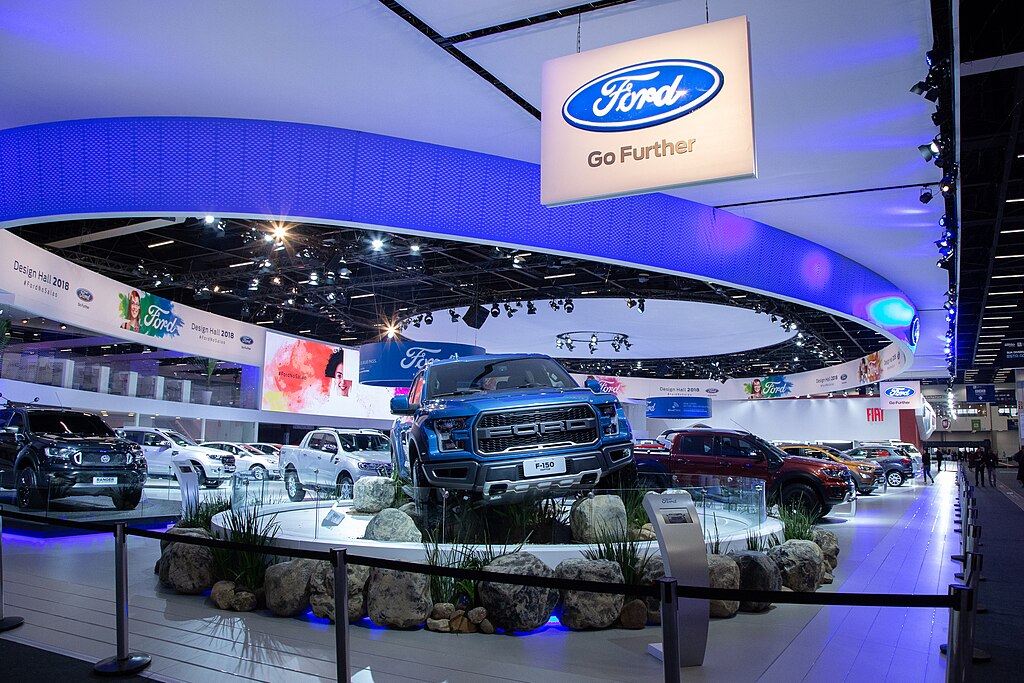
Ford Motor Company has announced plans to bring Level 3 driver-assistance technology to market by 2028, marking a significant step toward hands-free and eyes-off driving on select highways. The advanced system will allow drivers to disengage from active driving under specific conditions, positioning Ford among a small group of automakers pursuing higher levels of vehicle autonomy.
The Level 3 autonomous driving system will debut on Ford’s next-generation electric vehicle platform, currently being developed by a specialized team in California. This new EV architecture is designed to support advanced software and digital capabilities not available on Ford’s existing models. The first vehicle built on the platform is expected to be a midsize electric pickup truck launching in 2027, with a targeted starting price of around $30,000, making advanced EV technology more accessible to a wider audience.
Ford has not yet confirmed which model will be the first to receive the Level 3 driver-assistance software. According to Doug Field, Ford’s chief EV, digital, and design officer, the technology will be offered as a paid option rather than standard equipment, and pricing details are still under development. Ford is evaluating different business models, including one-time purchases or subscription-based pricing, with an emphasis on affordability.
Unlike Tesla, which relies solely on cameras, Ford plans to incorporate lidar technology to enhance safety and reliability for its Level 3 system. The company is also moving toward in-house development of advanced driver-assistance systems to reduce costs, improve quality, and deliver faster software updates.
In addition to autonomous driving, Ford revealed plans for an AI-powered assistant launching as a mobile app in early 2026, followed by in-vehicle integration. This AI assistant will support practical tasks such as analyzing cargo space from photos, highlighting Ford’s broader push into artificial intelligence, connectivity, and software-driven vehicle features.
With growing competition from Mercedes-Benz, General Motors, and other automakers, Ford’s strategy underscores the increasing importance of advanced driver-assistance systems, autonomous driving, and AI technology in shaping the future of electric vehicles and mobility.







