


 RBC Capital: European Medtech Firms Show Minimal Middle East and Energy Risk Exposure
  Dollar Surges to Nine-Month High as Middle East Tensions Drive Safe-Haven Demand
  Gulf War Ceasefire Hopes Weigh on Dollar Ahead of Trump Address
  Canada's Economy Grows Modestly in January 2025, Driven by Energy and Construction
  Asian Stocks Mixed in March 2026 Amid Iran War Fears and Tech Selloff
  Japan Business Sentiment Rises as Iran War Fuels Inflation Fears, BOJ Rate Hike Looms
  Australia's Trade Surplus Surges in February on Gold Export Boom
  Oil Prices Slide as Iran Tensions Ease and U.S. Crude Stockpiles Swell
  Asian Stocks Surge on Trump's Iran War Comments and Dip-Buying
  Oil Prices Hold Near Multi-Year Highs Amid Iran Conflict and Hormuz Supply Fears
  Oil Prices Surge to Record Monthly Highs as Middle East War Rattles Global Markets
  Gold Prices Rebound But Head for Worst Month Since 2008 Amid Iran War Uncertainty
  Australia Bans Card Payment Surcharges Starting October 2025
  U.S. Stock Futures Steady Amid Iran Ceasefire Talks and Trump Address
  Oil Prices Climb as Middle East Conflict Keeps Supply Risks Elevated
  South Korea's $17.3 Billion Emergency Budget Targets Oil Price Surge
  Gold Prices Rebound in Asia Amid Iran War Ceasefire Hopes


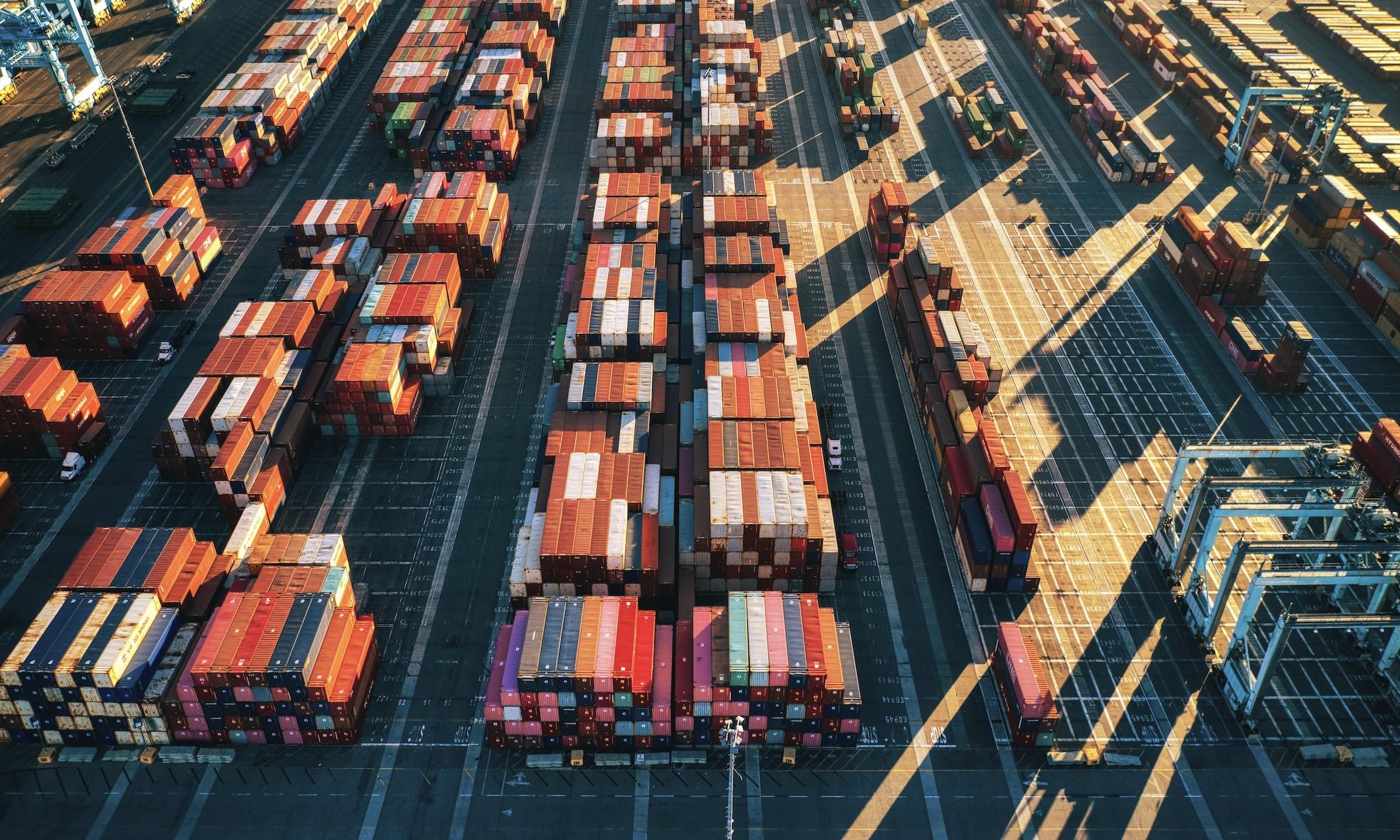
Trade and economy officials from the Group of Seven (G7) wealthy democracies have reaffirmed their commitment to collaborate in securing seamless supply chains for critical resources, such as energy and food, despite existing global uncertainties.
In a joint statement, the participating nations emphasized their dedication to maintaining a free and fair trading system that upholds the principles of the rule of law.
Strengthening economic resilience and security were also highlighted as integral elements of their shared mission, as per Japan Today.
Geo-Political Events Threatening Stable Supply
The Business Standard reported that during the two-day event held in Osaka, Foreign Minister Yoko Kamikawa, one of the co-hosts, pointed out recent events such as Russia's invasion of Ukraine and the Israel-Hamas war as potential threats to stable energy and food supplies.
These geo-political tensions underscored the importance of ensuring uninterrupted access to essential resources.
Collaborative Efforts of G7 and Invited Nations
The G7, consisting of the United States, Canada, France, Germany, Italy, Japan, and Britain, extended their invitation to several nations, including the European Union, Australia, Chile, India, Indonesia, and Kenya, for their participation in the two-day meeting. Economic organizations such as the World Trade Organization were also present to contribute to the discussions.
Developed nations are increasingly concerned about the stability of the supply chain for computer chips and crucial minerals, including lithium. With the rising demand for electric vehicles and green energy, securing these resources has become paramount to economic progress and sustainability.
Yasutoshi Nishimura, the Japanese minister in charge of trade and the economy, emphasized the potential power of guest nations like Australia and India in reinforcing the supply chain of critical materials. Collaborating with strong allies becomes crucial in ensuring the stability and availability of essential resources.
Trade Policy's Role in Addressing Global Challenges
Participants engaged in discussions on how trade policy can play a vital role in tackling climate change, enhancing food security, promoting digital trade, and working towards sustainable development. Recognizing the significance of trade in addressing global challenges ensures a comprehensive and collaborative approach.
While China's absence was notable, the discussions shed light on its significance as a focal point. China has imposed export restrictions on gallium and germanium, essential metals in computer chips and solar cells, in the name of national security. "Economic coercion" was indirectly referred to, highlighting concerns over China leveraging economic dependencies.
Photo: Venti Views/Unsplash







