


 Elon Musk Says Anthropic Leads AI Race as Claude Models Challenge OpenAI
  Zhipu AI Stock Jumps on Report of Custom AI Chip Development Plans
  Muji Owner Ryohin Keikaku Stock Soars After Raising Full-Year Earnings Forecast
  Apple Tests China's CXMT Memory Chips as DRAM Maker Gains Global Market Share
  Genesis Minerals to Acquire Vault in A$5.6 Billion Deal After Regis Withdraws
  SK Hynix’s $28B U.S. IPO Draws Strong Demand as AI Chip Boom Fuels Investor Interest
  SpaceX Stock Draws Bullish Wall Street Coverage Ahead of Nasdaq-100 Inclusion
  Wolfspeed Sues Navitas Over GaN and SiC Patent Infringement
  TSMC Q2 Revenue Surges 36% as AI Chip Demand Powers Growth Ahead of Earnings
  Meta Says States Seek $1.4 Trillion in Penalties Over Teen Social Media Addiction Lawsuit
  SK Hynix Prices Record U.S. ADR Offering at $149 After $200 Billion Investor Demand
  SK Hynix Soars 13% in Nasdaq Debut After Record $26.5 Billion IPO
  Levi Strauss Raises 2026 Outlook After Q2 Earnings Beat, Shares Drop Despite Strong Results
  Fast Retailing Raises Full-Year Forecast After Uniqlo Owner Beats Q3 Profit Estimates
  Bain Capital Exits Kioxia After AI-Fueled Valuation Surge
  OpenAI Executive Fidji Simo to Step Down Amid Health Challenges Ahead of IPO


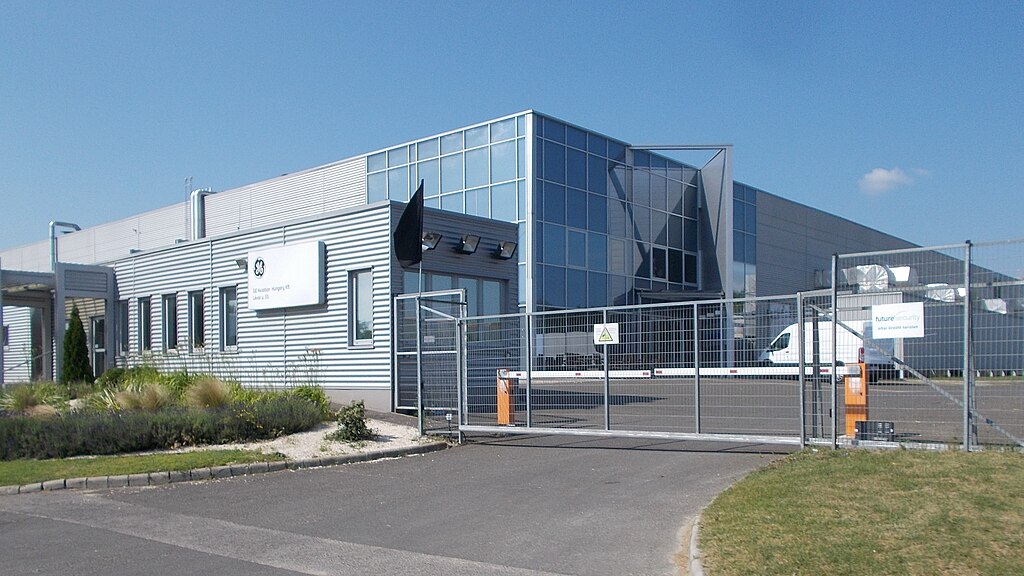
GE Aerospace is accelerating automation and AI-driven innovation at its Singapore engine repair hub as global airlines grapple with maintenance delays, parts shortages, and extended turnaround times. At the center of this transformation is technician Suresh Sinnaiyan, who has spent more than a decade manually repairing jet-engine compressor blades. Today, he is helping program robots to replicate the precision sanding and blending techniques traditionally performed by skilled human hands.
The initiative supports GE Aerospace’s broader strategy to ease aviation supply chain bottlenecks caused by unexpected wear in next-generation jet engines. These durability issues have grounded aircraft, forced airlines to extend the life of older jets, and stretched maintenance repair and overhaul (MRO) timelines to several months. Airlines have voiced concerns over rising engine servicing costs, while manufacturers argue they are investing heavily to expand capacity after significant research and development spending.
Singapore plays a critical role in GE’s solution. The company is upgrading its 2,000-employee facility with advanced robotics, digital tools, and artificial intelligence as part of an investment plan that could reach $300 million. GE aims to increase repair output by 33% without expanding the site’s physical footprint, focusing instead on workflow optimization, lean manufacturing practices, and automation.
Repairing used engine components rather than replacing them with newly manufactured parts reduces costs and turnaround time for airlines. GE says certain repair processes can cut both servicing time and expenses by up to 50%. For example, turnaround times for CFM56 turbine nozzle repairs have improved from 40 days in 2021, with a target of 21 days by 2028. The facility is also preparing to service newer LEAP engines entering overhaul cycles.
By capturing specialized manual skills in repeatable robotic systems, GE Aerospace aims to boost productivity, reduce dependence on scarce labor, and strengthen global aviation maintenance resilience as industry demand stabilizes.







