


 Samsung to Launch First Yongin Chip Plant by 2029 as South Korea Speeds Up Semiconductor Hub
  Yaskawa Electric Shares Slide as Weak Profit Overshadows Strong AI Demand
  White House Seeks $1.4 Billion to Combat Growing Ebola Outbreak
  SK Hynix Prices Record U.S. ADR Offering at $149 After $200 Billion Investor Demand
  SK Hynix Shares Drop After Strong Nasdaq Debut Despite $26 Billion ADR Listing
  Fast Retailing Raises Full-Year Forecast After Uniqlo Owner Beats Q3 Profit Estimates
  The government is ‘doubling down’ on its social media ban. But bigger penalties for platforms aren’t enough
  Deutsche Bank Fined A$2 Million by ASIC Over OTC Derivatives Reporting Errors
  DOJ Grand Jury Investigates UAW President Shawn Fain Ahead of Union Election
  UBS Starts CarTrade Tech With Buy Rating, Sees Strong Earnings Growth and ₹4,000 Target
  Samsung Chairman Lee Jae-yong Expected to Meet Nvidia CEO Jensen Huang on AI and Chip Partnership
  UNAIDS Urges U.S. to Reconsider South Africa HIV Funding Withdrawal
  Genesis Minerals to Acquire Vault in A$5.6 Billion Deal After Regis Withdraws
  Alcohol is one of the most dangerous drugs, yet its presence is ubiquitous in social settings and celebrations
  Novo Nordisk Raises 2026 Outlook on Strong Wegovy Demand
  France Keeps Top Health Alert as Officials Brace for Another Heatwave
  CDC Monitors U.S. Travelers After Hantavirus Outbreak on Luxury Cruise Ship


Packaged food manufacturers and fast-food restaurants are preparing for major shifts in consumer demand as appetite-suppressing GLP-1 weight loss pills are expected to enter the U.S. market in early 2025. Analysts believe these oral medications could accelerate long-term changes in eating habits, forcing food companies to reformulate products, adjust portion sizes, and emphasize nutrition-focused offerings.
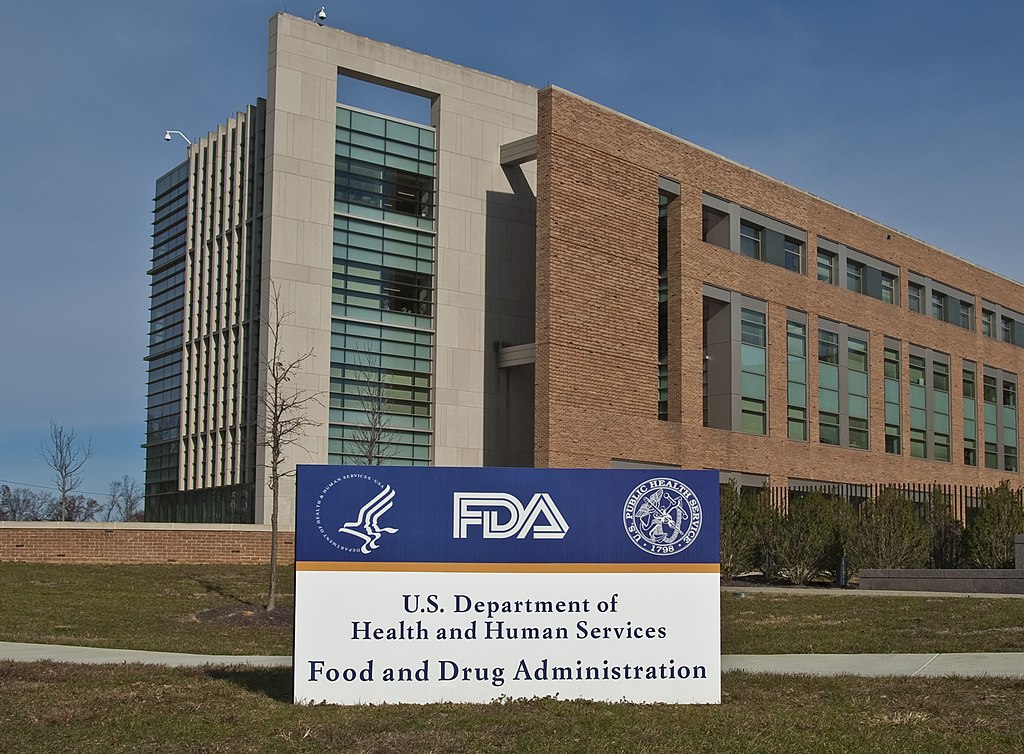
The U.S. Food and Drug Administration recently approved Novo Nordisk’s Wegovy GLP-1 pill, a milestone that sent shares of several food companies lower. Unlike injectable GLP-1 drugs, the pill form is expected to be cheaper and more appealing to patients who are uncomfortable with injections. Eli Lilly’s competing GLP-1 pill is also anticipated to receive regulatory approval next year, further expanding access to weight loss medications.
As adoption grows, analysts say Americans are likely to reduce consumption of calorie-dense foods such as salty snacks, baked goods, soda, alcohol, and sugary drinks. Instead, demand is shifting toward high-protein, high-fiber, and functional foods that support satiety and portion control. This trend has already been visible with injectable GLP-1 drugs and is expected to intensify with easier-to-use pills.
Research supports this shift. A recent Cornell University study found that households using GLP-1 medications reduced grocery spending by over 5% and fast-food spending by about 8%. While spending rebounded after discontinuing the drugs, experts believe lower-cost pills could encourage longer-term use, broadening the impact across the food industry.
Major companies are responding quickly. Conagra Brands has begun labeling certain Healthy Choice meals as “GLP-1 friendly,” citing faster sales than competing products. Danone reports double-digit growth in high-protein yogurt, while Nestlé has launched new frozen meals tailored to GLP-1 users. Restaurants are also adapting, with chains like Chipotle introducing high-protein menu options and others offering smaller, lower-priced portions.
With nearly 40% of U.S. adults classified as obese and growing interest in weight loss solutions, GLP-1 pills are poised to reshape how Americans eat—and how food companies innovate—for years to come.







