


 Myanmar Military Pushes to Clear Land for Russia-Backed Dawei SEZ
  US Cancels South Korea Military Drill Amid Iran War
  Turkey Seeks Interpol Red Notice for Netanyahu Over Gaza Aid Flotilla
  Imran Khan Returns to Prison After Islamabad Hospital Visit
  AstraZeneca Halts Phase III Volrustomig Lung Cancer Trial After Efficacy Setback
  Eli Lilly Eyes AtaiBeckley Acquisition to Expand Psychedelic Mental Health Pipeline
  Moderna Short Sellers Hit With $4.8 Billion Loss as Stock Soars
  UNAIDS Urges U.S. to Reconsider South Africa HIV Funding Withdrawal
  Raphael Glucksmann Launches 2027 French Presidential Bid
  Russian Drone Strike on Kryvyi Rih Shopping Centre Kills 15
  Trump Administration Bars U.S. Travelers From Congo Flights Amid Ebola Outbreak
  Prince Harry Faces Potential Multi-Million-Pound Legal Bill in Daily Mail Case
  Merz Pushes Faster Reforms to Revive German Economy
  US-Backed Pediatric HIV Treatment Drops After Foreign Aid Changes, Study Finds
  France Battles Mediterranean Wildfires as Heatwave Fuels Fire Risk
  GSK Unveils $2.52 Billion Cost-Cutting Plan to Accelerate Drug Pipeline
  The government is ‘doubling down’ on its social media ban. But bigger penalties for platforms aren’t enough


 Add as a preferred source on Google
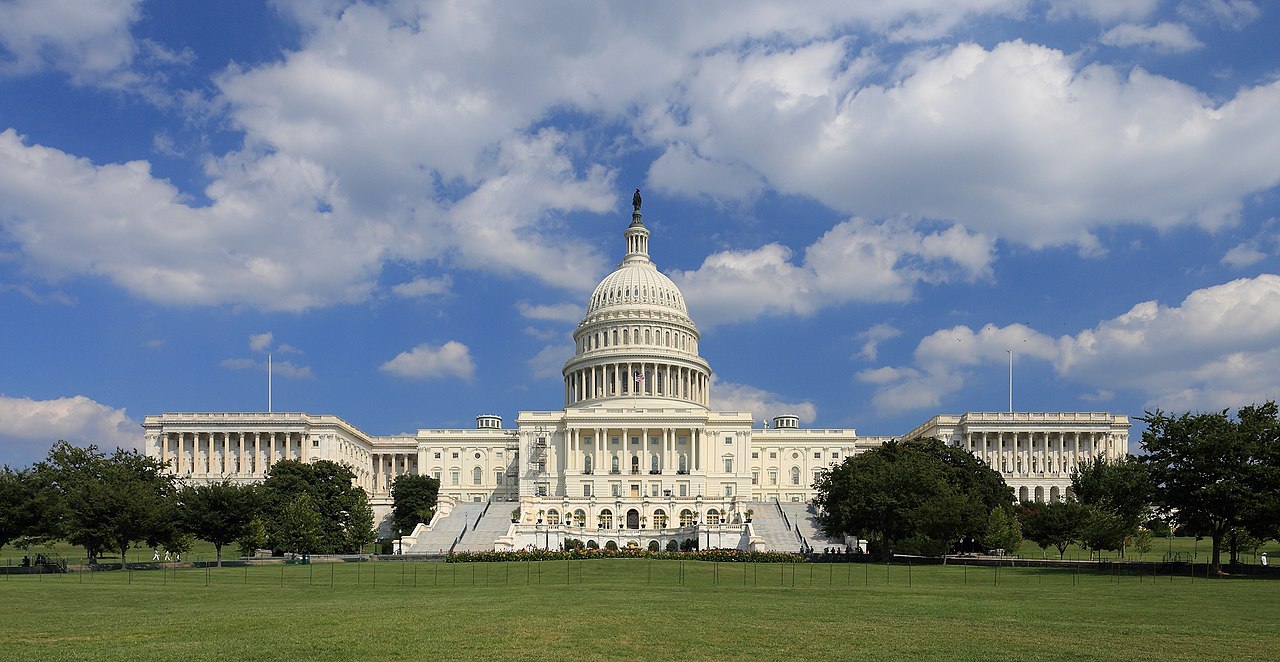
The White House is preparing to request more than $1.4 billion in emergency funding from Congress to strengthen the response to the rapidly expanding Ebola outbreak, according to a Trump administration official. The funding proposal is expected to be included in a broader supplemental spending package and could be submitted as early as Wednesday.
A significant portion of the request, approximately $800 million, would support humanitarian and public health efforts aimed at containing the Ebola virus outbreak. The funding would help establish a quarantine facility in Kenya for Americans potentially exposed to Ebola and provide critical resources such as medical supplies, treatment services, contact tracing programs, infection prevention measures, and a regional logistics network.
The administration is also seeking $500 million for global health security initiatives designed to reduce the risk of Ebola spreading internationally and reaching the United States. These funds would be used to enhance disease surveillance systems, strengthen laboratory capabilities, improve cross-border coordination, and support partnerships with international organizations and private-sector groups.
An additional $90 million would be allocated to diplomatic and emergency operations, including evacuation efforts and transportation for U.S. citizens infected with Ebola to appropriate treatment centers.
The current outbreak in the Democratic Republic of Congo has been linked to the rare Bundibugyo strain of the Ebola virus. According to the World Health Organization, more than 1,000 people have been infected and 267 have died, making it one of the fastest-growing Ebola outbreaks on record during its first month.
Concerns have increased following the confirmation of Ebola in a doctor who recently returned to France after a humanitarian mission in Congo. The case marks France’s first confirmed infection connected to the ongoing outbreak.
The United States has urged European nations to strengthen travel measures and increase contributions to Ebola response efforts. Meanwhile, critics have pointed to previous reductions in U.S. international health and development programs.
To date, Washington has committed hundreds of millions of dollars to Ebola containment efforts and continues to prioritize preventing the virus from reaching U.S. borders. Earlier this year, travel restrictions were imposed on individuals who had recently visited affected countries, including the Democratic Republic of Congo, Uganda, and South Sudan.







