


 Meta Says States Seek $1.4 Trillion in Penalties Over Teen Social Media Addiction Lawsuit
  SK Hynix Shares Drop After Strong Nasdaq Debut Despite $26 Billion ADR Listing
  SpaceX Stock Draws Bullish Wall Street Coverage Ahead of Nasdaq-100 Inclusion
  Australia Flags Child Safety Gaps at Apple, Meta, Google Over Online Sexual Extortion
  Elon Musk Says Anthropic Leads AI Race as Claude Models Challenge OpenAI
  SK Hynix Prices Record U.S. ADR Offering at $149 After $200 Billion Investor Demand
  SoftBank Corp Partners With Sierra to Expand AI Customer Support Across Japan
  Apple Tests China's CXMT Memory Chips as DRAM Maker Gains Global Market Share
  Nvidia Tightens AI Chip Sales in Asia With Stricter Customer Approval Process
  OpenAI Executive Fidji Simo to Step Down Amid Health Challenges Ahead of IPO
  Yaskawa Electric Shares Slide as Weak Profit Overshadows Strong AI Demand
  Wolfspeed Sues Navitas Over GaN and SiC Patent Infringement
  TSMC Q2 Revenue Surges 36% as AI Chip Demand Powers Growth Ahead of Earnings
  Apple Sues OpenAI, Former Employees Over Alleged Trade Secret Theft
  Nvidia Invests $500M in Firmus Technologies Ahead of Planned ASX IPO


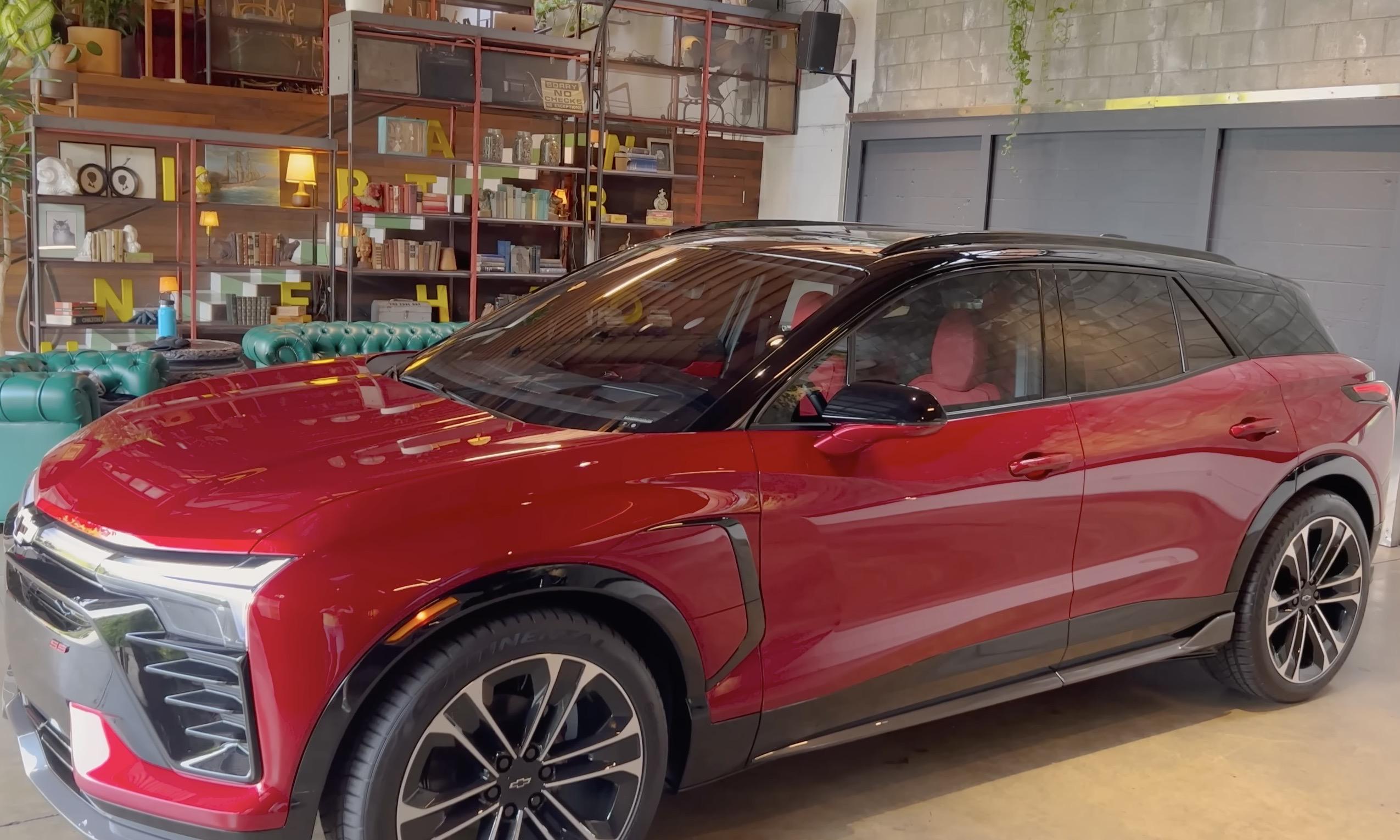
General Motors feels that discontinuing standalone Apple CarPlay and Android Auto smartphone connectivity will help increase safety, Motor Trend reported.
Apple CarPlay and Android Auto Make Automobiles Less Safe, General Motors Claims
General Motors head of product for infotainment Tim Babbitt told Motor Trend at a media event for the 2024 Chevrolet Blazer EV, the first vehicle to get a new Google-based infotainment system that drops Apple CarPlay and Android Auto, that the new system makes it less likely that drivers will pick up their phones while behind the wheel.
According to Babbitt, Apple CarPlay and Android Auto have stability concerns that might cause sluggish responses, poor rendering, and failed connections. And if the car's screen isn't operating well, drivers will be tempted to use their phones, he claims, although acknowledging that GM hasn't tested this notion.
According to Motor Trend, the dependability of CarPlay and Android Auto might be a concern owing to factors such as bad wireless connectivity, compatibility difficulties with the various Android phones on the market, and backward compatibility issues that impact older iPhone models.
General Motors claims it has solved this problem by directly integrating many of the tools drivers use on their phones, such as Google Maps, into the infotainment system. This potentially increases their stability while providing GM with greater direct access to data provided by consumers.
Google Infotainment Exclusive, Delays in Releases, and Future of Gas-Powered Vehicles
In April, GM revealed that all future EVs will include the Google-powered infotainment system. Following the Blazer EV, the Chevy Equinox EV, Cadillac Celestiq, and GMC Sierra EV will all be available without Apple CarPlay or Android Auto, as per WNCT. However, production challenges have caused several of these models to be delayed in their release.
The plan to withdraw CarPlay and Android Auto does not apply to combustion-engine vehicles, although GM has stated that most gas-powered vehicles will be phased out in the coming years. In 2021, the carmaker proclaimed an "aspiration" to eliminate tailpipes from its light-duty cars by 2035, with ambitions to make Buick and Cadillac all-electric by the end of the decade.







