


 Deutsche Bank Fined A$2 Million by ASIC Over OTC Derivatives Reporting Errors
  SK Hynix Soars 13% in Nasdaq Debut After Record $26.5 Billion IPO
  Stellantis Q2 Vehicle Shipments Rise 10% as North America Drives Growth
  SK Hynix’s $28B U.S. IPO Draws Strong Demand as AI Chip Boom Fuels Investor Interest
  AstraZeneca Shares Sink After Wainua Trial Misses Key Heart Disease Goal
  OpenAI Executive Fidji Simo to Step Down Amid Health Challenges Ahead of IPO
  Oppenheimer Sees CNH Industrial as Top 2026 Agriculture Stock Pick on Dealer Consolidation Strategy
  Apple Sues OpenAI, Former Employees Over Alleged Trade Secret Theft
  China 618 Smartphone Sales Drop 13% as Higher Prices Hurt Demand, Huawei Gains Market Share
  Goldman AM Sees Strong Buyout Opportunities in Japan, South Korea and Australia
  OpenAI GPT-5.6 Set for Wider Release After U.S. Commerce Approval, Report Says
  Australia Flags Child Safety Gaps at Apple, Meta, Google Over Online Sexual Extortion
  Samsung to Launch First Yongin Chip Plant by 2029 as South Korea Speeds Up Semiconductor Hub
  Zhipu AI Raises HK$31.37 Billion in Discounted Share Sale to Accelerate AI Growth
  SoftBank Corp Partners With Sierra to Expand AI Customer Support Across Japan
  TSMC Q2 Revenue Surges 36% as AI Chip Demand Powers Growth Ahead of Earnings


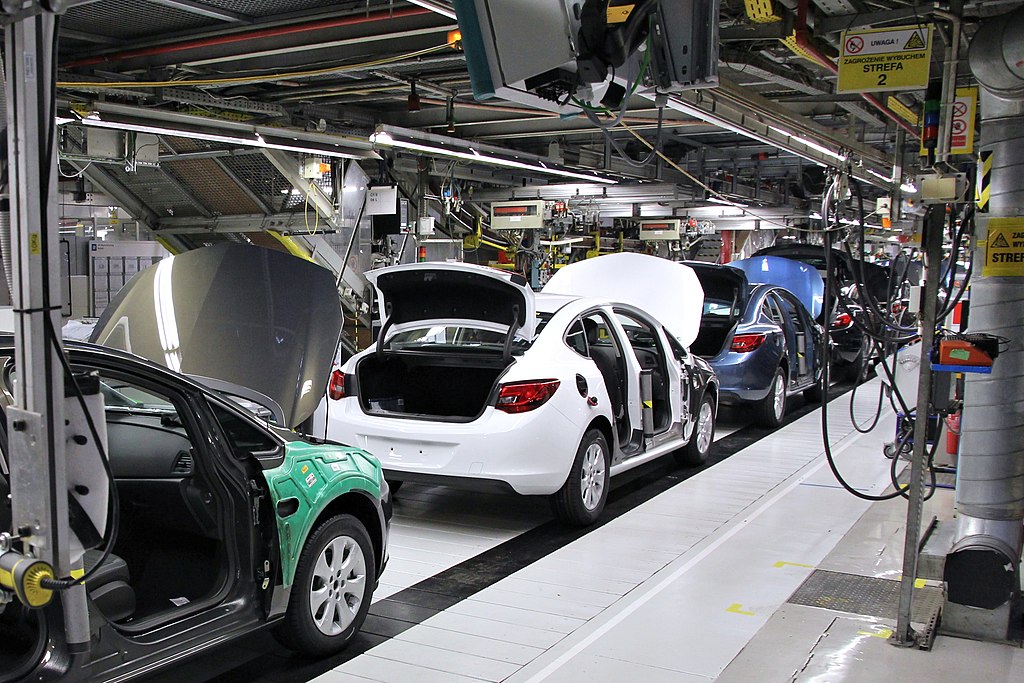
Automakers worldwide are bracing for renewed cost pressures and potential production disruptions as a deepening global shortage of memory chips, particularly DRAM, intensifies due to surging demand from data centres and artificial intelligence applications. According to a recent Wells Fargo research note, the imbalance between supply and demand is leaving the automotive industry with limited negotiating power and rising input costs.
Dynamic random access memory (DRAM) is a critical component in modern vehicles, supporting infotainment systems, advanced driver assistance systems (ADAS), and increasingly centralized electronic architectures. However, autos account for less than 10% of global DRAM demand, placing carmakers at a disadvantage as chip manufacturers prioritize higher-margin customers such as cloud computing and AI operators.
Wells Fargo analysts highlighted a dramatic surge in DRAM prices, noting that DDR5 spot prices are now more than eight times higher than 2024 average levels, while DDR4 prices have risen more than sixteenfold. With current DRAM content estimated at roughly $50 to $110 per vehicle, these price increases could translate into a significant cost headwind for automakers heading into 2026.
The supply-demand imbalance is expected to persist. Global DRAM demand is forecast to grow by about 26% next year, while supply is projected to increase by only 21%, implying an undersupply of roughly 14%. Major suppliers such as Micron, Samsung, and SK Hynix are expected to allocate more capacity to faster-growing and more profitable data centre markets, further tightening availability for automotive customers.
As a result, automakers and suppliers may be forced to pay higher prices to secure sufficient chip supply, weighing on margins and complicating production planning. Premium vehicle manufacturers and electric vehicle makers are seen as the most exposed due to their higher memory content per vehicle. Wells Fargo also warned that signs of panic buying are emerging, echoing elements of the 2021 chip crisis, and cautioned that resistance to higher costs could ultimately lead to production disruptions.







