


 Oil Prices Surge Amid Middle East Tensions as Global Markets React Cautiously
  U.S. Stock Futures Rise as Trump Extends Iran Ceasefire, Easing Market Tensions
  Asian Stocks Rise on AI Optimism and Iran Peace Talk Hopes
  Carney Warns Canada Must Rethink U.S. Ties Amid Trade Tensions and Sovereignty Concerns
  Japan Exports Surge for Seventh Month as AI Demand Offsets Middle East Trade Disruptions
  UK Wage Growth Slows to 3.6% as Inflation Pressures Complicate Bank of England Outlook
  KOSPI Hits Record High as AI Chip Demand Lifts SK Hynix and Samsung Stocks
  USMCA Talks Set to Resume as Mexico Signals New Round of Trade Negotiations
  Rising Jet Fuel Costs from Iran Conflict Push Airfare Higher Across Europe
  Gold Prices Slip Amid Iran Tensions and Fed Chair Uncertainty
  South Korea Economy Rebounds on Semiconductor Export Surge Amid Middle East Risks
  Rising U.S.-Iran Conflict Fuels Oil Market Volatility and Ceasefire Uncertainty
  Paraguay Holds Interest Rate at 5.5% as Inflation Remains Stable Amid Global Uncertainty
  South Korea Central Bank Signals Cautious Policy Amid Inflation and Middle East Tensions
  Asian Currencies Slip as Dollar Gains Safe-Haven Strength Amid U.S.-Iran Tensions
  Gold Prices Drop as Oil Rally and U.S.-Iran Tensions Shake Markets
  US-Iran Peace Talks Fuel Market Optimism Amid Ongoing Tensions


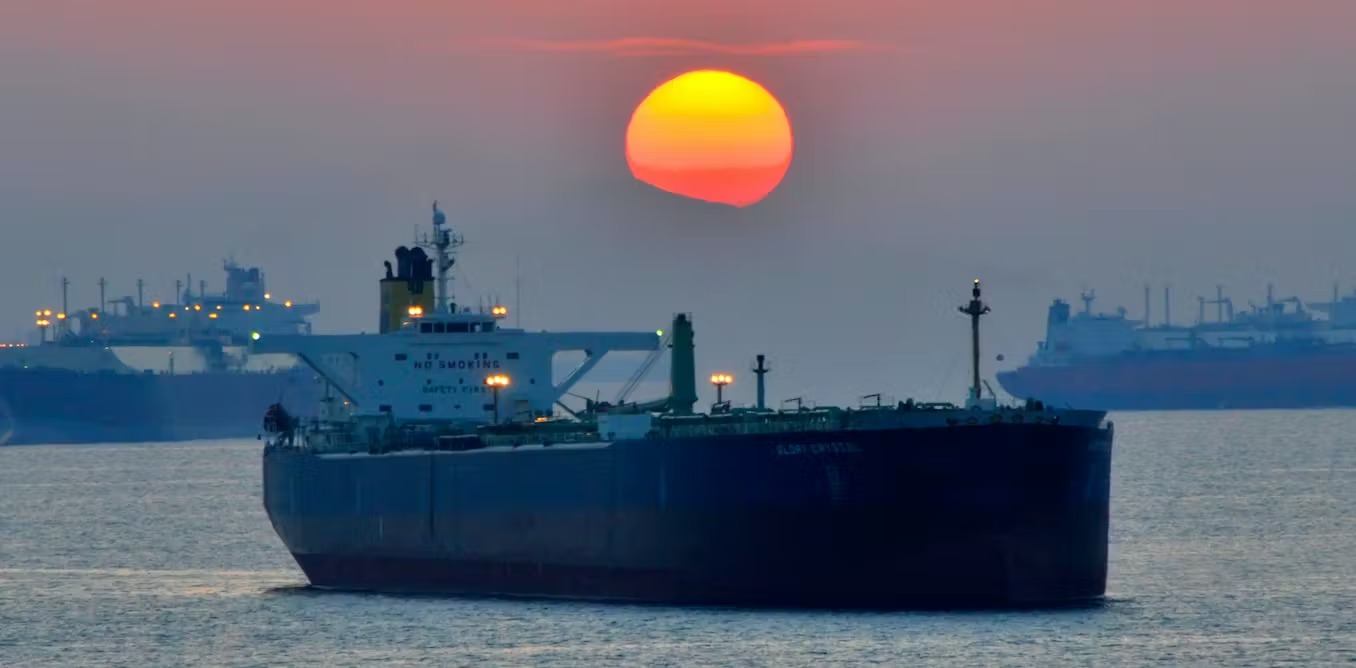
The ongoing U.S.-Israeli conflict with Iran has triggered an unprecedented global energy crisis, marked by the largest daily oil supply disruption in history. The closure of the Strait of Hormuz has significantly reduced oil output, with losses exceeding 12 million barrels per day—equivalent to roughly 11.5% of global demand. This масштаб surpasses previous disruptions such as the 1973 Arab oil embargo, the Iranian Revolution, and the 1991 Gulf War, making it a defining moment for global energy markets .
Unlike earlier crises that primarily affected crude oil, the current disruption is broader in scope. It has impacted natural gas, refined fuels, and even fertiliser supply chains, highlighting vulnerabilities in today’s interconnected global economy. The Middle East’s expanded role in supplying refined fuels has intensified the crisis, causing shortages of diesel and jet fuel across key regions, particularly in Asia and Africa.
The International Energy Agency has labeled this situation as the most severe energy crisis to date, especially when combined with lingering effects from the European gas shortage following Russia’s 2022 invasion of Ukraine. In response, the IEA has released a record 400 million barrels from strategic reserves in an effort to stabilize prices and ease supply constraints.
Although the current disruption has lasted just over 50 days, its cumulative impact is already estimated at more than 600 million barrels lost. Analysts warn that even if tensions ease, supply recovery could take months or longer, particularly in the natural gas sector. Compared to historical events, the total losses may eventually rival or exceed those of past crises.
This evolving energy shock underscores the fragility of global supply systems and the growing importance of energy security. As markets adjust, governments and industries are likely to reassess strategies to mitigate future disruptions and ensure long-term stability.







