


 Samsung Electronics Posts Eightfold Profit Surge Driven by AI Chip Demand
  LG Electronics Posts Record Q1 Revenue Amid Strong Demand and Cost Improvements
  SpaceX IPO: Retail Investors to Play Historic Role in Record-Breaking Public Offering
  NASA's Artemis II Mission: First Crewed Lunar Journey Since Apollo
  Paramount Skydance Secures $24B from Gulf Sovereign Wealth Funds for Warner Bros. Discovery Takeover
  TSMC Japan's Second Fab to Produce 3nm Chips by 2028
  SMIC Allegedly Supplies Chipmaking Tools to Iran's Military, U.S. Officials Warn
  First Western Ship Transits Strait of Hormuz Since Iran War Began
  Makemation: a Nollywood movie that shows AI in action in Africa
  RBC Capital: European Medtech Firms Show Minimal Middle East and Energy Risk Exposure
  China's Push to Steal Taiwan's Chip Technology and Talent Raises Security Alarms
  Australia's Social Media Ban for Under-16s Sparks Global Movement
  Private Credit Under Pressure: Is a Slow-Motion Crisis Unfolding?
  Microsoft's $10 Billion Japan Investment: AI Infrastructure and Data Sovereignty Push
  Nike Beats Q3 Estimates but China Weakness and Margin Pressure Weigh on Outlook
  Annie Altman Amends Sexual Abuse Lawsuit Against OpenAI CEO Sam Altman
  California's AI Executive Order Pushes Responsible Tech Use in State Contracts


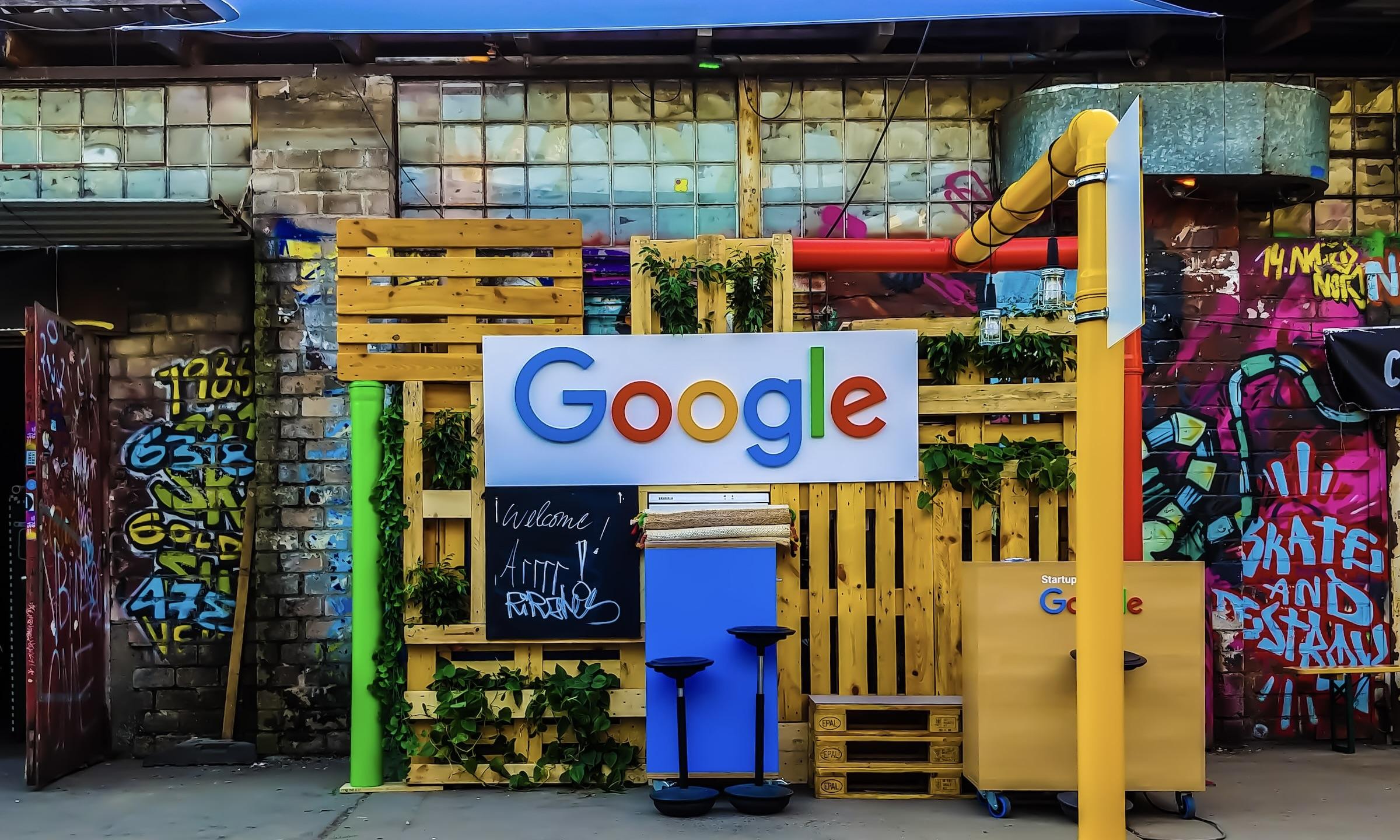
Alphabet's Google announced on Tuesday that it will implement restrictions on election-related queries for its chatbot, Bard, and search generative experience leading up to the 2024 U.S. Presidential election. The company confirmed these restrictions are expected to be enforced by early 2024.
Global Impact of the Restrictions
In addition to the United States, various groundbreaking elections are anticipated in 2024, involving nations such as India, the world's largest democracy, and South Africa, among others, according to CNBC.
The tech giant will place an increased emphasis on the role of artificial intelligence (AI) in providing service to voters and campaigns associated with these elections. Reuters reported that Google aims to ensure transparency and enhance the integrity of the political process.
Facebook owner Meta had previously announced in November its prohibition of political campaigns and advertisers in regulated industries from utilizing its new generative AI advertising products. Advertisers on Meta's platforms will also be required to disclose the use of AI or other digital methods in modifying or creating political, social, or election-related advertisements on Facebook and Instagram.
Contrarily, Elon Musk's social media platform X, currently under investigation by the European Union, declared in August that it will allow political advertising from candidates and political parties in the United States. X also plans to expand its safety and elections team ahead of the U.S. election. It is important to note that all political ads on X were previously banned globally in 2019.
Regulating AI on a Global Scale
Governments worldwide are actively seeking to regulate artificial intelligence due to its potential threats, including the dissemination of misinformation. As part of these efforts, new European Union rules will require prominent labeling of political advertising on Big Tech platforms, disclosing the source of funding and the specific elections targeted.
The European Union's regulations are intended to ensure transparency and accountability in political advertising across major platforms.
Photo: Rajeshwar Bachu/Unsplash







