


 EU Weighs New Trade Restrictions on Israeli West Bank Settlements
  Reuters/Ipsos Poll: Most Americans Expect U.S.-Iran War to Be Prolonged
  Iran's Supreme Leader Vows Revenge as Trump Threatens Massive U.S. Military Response
  Brazil Court Bars Flavio Bolsonaro From Visiting Jair Bolsonaro Ahead of Election
  US-Iran Strikes Escalate as Strait of Hormuz Crisis Pushes Oil Prices Higher
  Zelenskiy Plans Ukraine Government Shake-Up as Prime Minister Svyrydenko Set to Step Down
  Russia Launches Missile and Drone Attacks on Kyiv, Zaporizhzhia, and Kharkiv
  UK Sanctions 24 Russian-Linked Targets Over Cyberattacks and Election Interference
  Iraq PM Visits Washington as U.S. Oil, Gas Deals Take Center Stage
  Israeli Strikes Kill Six in Gaza as Ceasefire Talks Continue in Cairo
  UN Says Hamas Disrupted Gaza Aid Distribution, Group Denies Allegations
  EU to Propose New Rules Limiting Children's Access to Social Media
  Republican Senator Lindsey Graham Dies at 71, Leaving South Carolina Senate Seat Vacant
  Trump, Canada Reach Gordie Howe Bridge Deal Ahead of July 27 Opening
  Trump to Deliver National Address on Declassified 2020 Election Intelligence
  Western Allies Push for More Air Defenses for Ukraine at Paris Summit
  Iran Says It Closes Strait of Hormuz After Warning Shot at Vessel


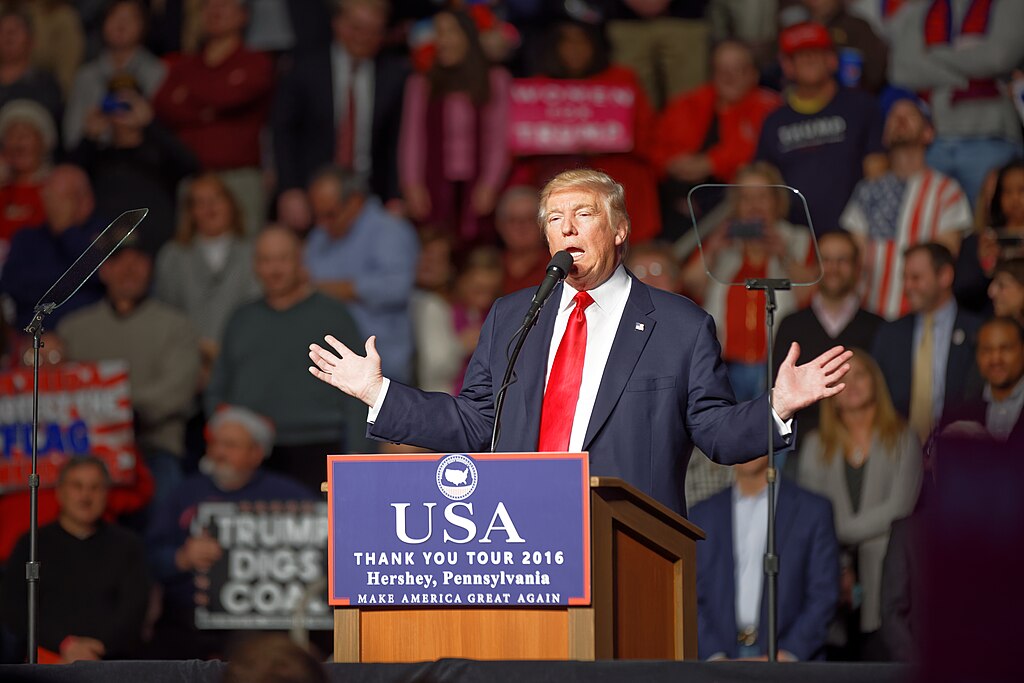
As President Donald Trump continues his second term in 2025, his administration has unveiled a series of measures aimed at combating the illegal gun trade in the United States. The initiative, described as one of the most aggressive crackdowns in recent years, seeks to curb firearms trafficking, reduce violent crime, and address public safety concerns. However, critics question whether the policies are effective or merely symbolic gestures to appease voters.
Strengthening Federal Oversight on Firearms Sales
At the heart of Trump’s strategy lies a push for stricter federal oversight on gun sales. The Bureau of Alcohol, Tobacco, Firearms, and Explosives (ATF) has been tasked with conducting enhanced background checks for private sales and monitoring firearms dealers more rigorously. These measures aim to close loopholes that have long been exploited by traffickers to obtain firearms illegally.
Moreover, the administration has expanded the use of federal databases to track stolen or unregistered weapons. New legislation, signed earlier this year, mandates harsher penalties for individuals caught trafficking firearms across state lines. While Trump’s supporters applaud these efforts as necessary steps to uphold law and order, opponents argue that they disproportionately target minority communities and low-income neighborhoods.
International Collaboration to Halt Cross-Border Trafficking
In addition to domestic policies, Trump has placed significant emphasis on international cooperation to address cross-border gun trafficking. The administration has partnered with Mexico and Canada to strengthen border security and intercept smuggled firearms. The U.S. Department of Homeland Security announced the deployment of advanced surveillance technology, including drones and thermal imaging systems, to monitor illegal activity along the southern border.
Critics, however, contend that these measures focus too heavily on enforcement without addressing the root causes of gun violence. Advocacy groups have called for increased investment in community programs and economic development initiatives to reduce the demand for illegal firearms.
Public Reactions and Divided Opinions
The administration’s policies have drawn a range of responses on social media. User @LibertyWatcher tweeted, “Finally, a president who’s taking illegal guns seriously! Trump delivers again!” In contrast, @EqualityNow argued, “Trump’s ‘crackdown’ is just another excuse to target marginalized communities. Real solutions come from addressing systemic issues.” Other users expressed skepticism about the effectiveness of the measures, with @GunPolicyExpert writing, “These policies might sound tough, but will they really reduce gun crime in the long term?”
Supporters of the initiative, such as @SafetyFirst2025, praised the administration for prioritizing public safety, tweeting, “If you’re not part of the solution, you’re part of the problem. Trump is protecting our future.” Meanwhile, user @BorderTruths raised concerns about privacy violations, stating, “How far is too far? Surveillance tech at the border could be misused in dangerous ways.”
Strengths and Weaknesses of Trump’s Approach
The strengths of Trump’s strategy lie in its focus on enforcement and international collaboration, which are essential for tackling gun trafficking. However, the policy’s weaknesses include its lack of emphasis on preventative measures, such as education and community investment. To bolster credibility and effectiveness, the administration could provide transparent metrics to evaluate the success of its initiatives and involve bipartisan input in crafting future legislation.







