


 Zelenskiy Plans Ukraine Government Shake-Up as Prime Minister Svyrydenko Set to Step Down
  UK Sanctions 24 Russian-Linked Targets Over Cyberattacks and Election Interference
  Iraq PM Visits Washington as U.S. Oil, Gas Deals Take Center Stage
  Reuters/Ipsos Poll: Most Americans Expect U.S.-Iran War to Be Prolonged
  EU Ministers Split as Support Grows for Ban on Trade With Israeli West Bank Settlements
  Minnesota Wildfires Spread as Governor Tim Walz Deploys National Guard
  Western Allies Push for More Air Defenses for Ukraine at Paris Summit
  Venezuela Appoints Felix Plasencia to Lead Foreign Relations and Trade
  UN Says Hamas Disrupted Gaza Aid Distribution, Group Denies Allegations
  Trump Recommends Darline Graham for Interim South Carolina Senate Seat
  Israel Sets October 27 Election as Netanyahu Faces Tough Political Test
  Trump Administration Hands Over Key Evidence in Minnesota Immigration Shooting Investigations
  Israeli Strikes Kill Six in Gaza as Ceasefire Talks Continue in Cairo
  HHS Watchdog Reports $5.56 Billion in Healthcare Fraud Recoveries as Enforcement Actions Decline
  Trump, Canada Reach Gordie Howe Bridge Deal Ahead of July 27 Opening
  Ukraine, Europe Launch Freyja Missile Shield to Strengthen Air Defense Against Russia
  Trump Tells Congress Iran Hostilities Restarted, Citing New 60-Day War Powers Window


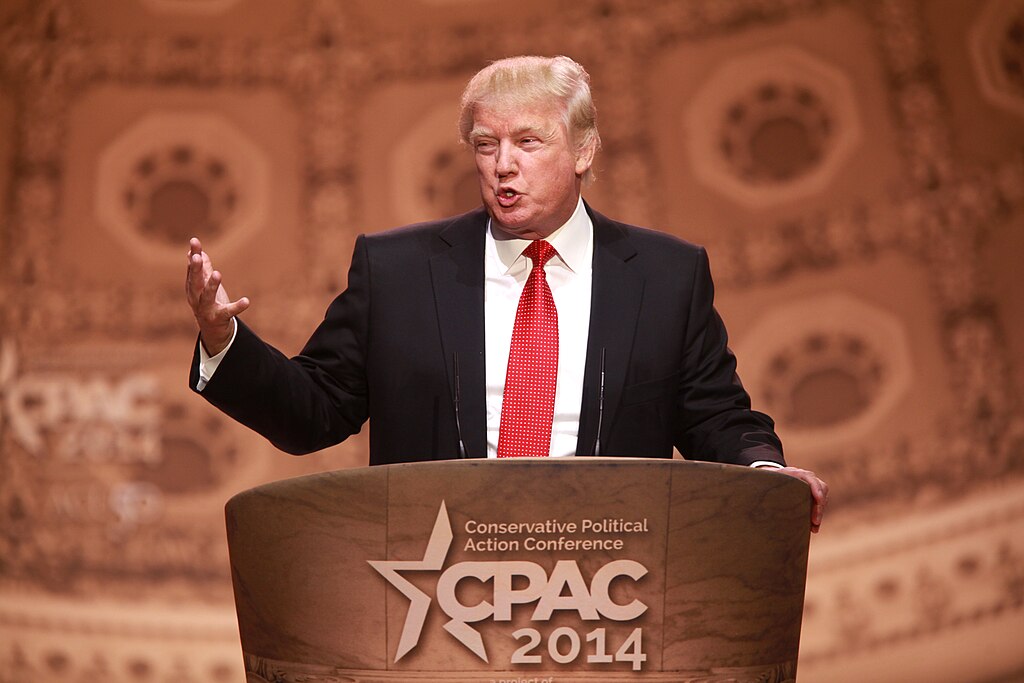
Former President Donald Trump’s administration has announced a $200 billion initiative to fund high-speed rail projects across the United States, a move hailed by supporters as a modern transportation revolution but criticized by skeptics as a risky investment. The ambitious plan aims to overhaul the country’s rail infrastructure, aligning with global standards while addressing growing demand for eco-friendly transit options.
Federal Funding and Private Partnerships
The plan leverages $100 billion in federal funding, with an additional $100 billion expected from private sector investments. According to administration officials, the funding will target key states, including California, Texas, and Florida, aiming to connect major metropolitan areas with high-speed rail systems. Trump has positioned the project as essential for reducing traffic congestion, decreasing carbon emissions, and boosting economic growth.
Transportation Secretary Elaine Chao emphasized the administration’s commitment to public-private partnerships, stating, “This is not just about trains—it’s about jobs, cleaner air, and faster travel.”
Critics, however, argue that the project may saddle taxpayers with billions in debt. Environmentalists also question whether the plan adequately addresses concerns about land use and ecological impact.
Public Reaction: Mixed Feelings on Bold Investment
Trump’s high-speed rail plan has ignited debates across social media, with reactions ranging from enthusiastic support to scathing criticism.
- @RailRevolution: "Finally, the U.S. gets serious about high-speed rail. This is long overdue! #ModernTransit"
- @TaxpayerWatch: "Trump’s rail project sounds great until taxpayers foot the bill. Where’s the ROI? #ThinkTwice"
- @EcoAdvocate99: "Green energy plus efficient travel? Love this plan! Let’s catch up with Europe and Asia. #Sustainability"
- @FiscalHawk: "Public-private partnerships? We’ve heard this before, and taxpayers always lose. #WastefulSpending"
- @UrbanPlannerJoe: "Excited for high-speed rail but worried about land acquisitions disrupting local communities. #BalancedGrowth"
- @ClimateActionNow: "If done right, this could cut emissions significantly. Let’s push for responsible implementation. #CleanTransit"
Implementation Challenges Loom
Despite the ambitious nature of the project, challenges remain. Acquiring land for rail corridors has proven contentious, with lawsuits expected from property owners. Furthermore, experts warn that coordination between federal and state agencies, as well as securing private sector participation, will require careful negotiation.







