


 Brazil Court Bars Flavio Bolsonaro From Visiting Jair Bolsonaro Ahead of Election
  US-Iran Strikes Escalate as Strait of Hormuz Crisis Pushes Oil Prices Higher
  Israeli Strikes Kill Six in Gaza as Ceasefire Talks Continue in Cairo
  UN Says Hamas Disrupted Gaza Aid Distribution, Group Denies Allegations
  Minnesota Wildfires Spread as Governor Tim Walz Deploys National Guard
  HHS Watchdog Reports $5.56 Billion in Healthcare Fraud Recoveries as Enforcement Actions Decline
  Iran's Supreme Leader Vows Revenge as Trump Threatens Massive U.S. Military Response
  Trump Tells Congress Iran Hostilities Restarted, Citing New 60-Day War Powers Window
  Reuters/Ipsos Poll: Most Americans Expect U.S.-Iran War to Be Prolonged
  Ann Widdecombe Murder: Police Arrest Second Suspect, Rule Out Terrorism Motive
  UK Sanctions 24 Russian-Linked Targets Over Cyberattacks and Election Interference
  Republican Senator Lindsey Graham Dies at 71, Leaving South Carolina Senate Seat Vacant
  Trump Administration Bars U.S. Travelers From Congo Flights Amid Ebola Outbreak
  Russia Launches Missile and Drone Attacks on Kyiv, Zaporizhzhia, and Kharkiv
  EU Ministers Split as Support Grows for Ban on Trade With Israeli West Bank Settlements
  EU to Propose New Rules Limiting Children's Access to Social Media


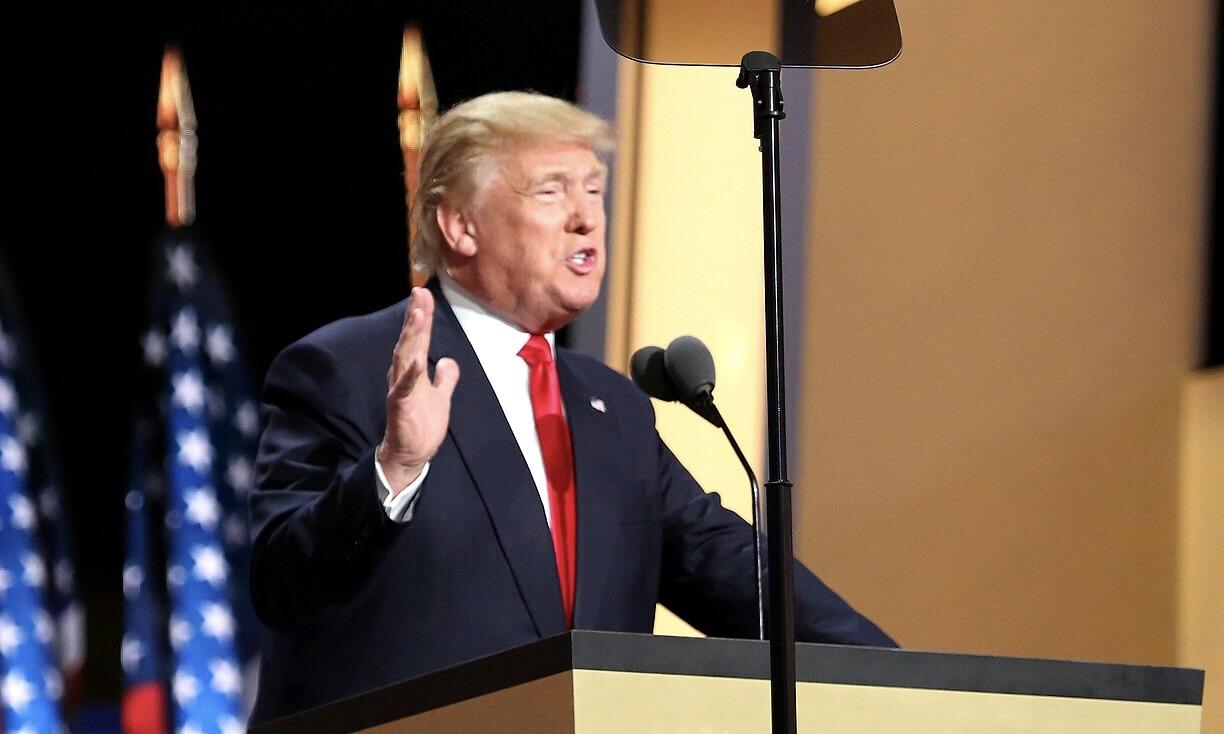
President Donald Trump has reignited global trade debates with a new strategy aimed at reshaping economic ties between the United States and the European Union (EU). The bold plan, announced earlier this week, focuses on revising longstanding trade agreements, reducing tariffs, and addressing regulatory disparities that Trump claims have long disadvantaged American businesses. However, critics warn the approach risks sparking a trade war with Europe, with far-reaching consequences for the global economy.
In a statement from the White House, Trump emphasized the need for “fair and balanced” trade relations. “American workers deserve better deals,” he said, adding that his administration aims to correct what he described as years of unfair trade practices.
Key Pillars of Trump’s EU Trade Policy
Trump’s 2025 trade policy centers on two main objectives: reducing the trade deficit and eliminating non-tariff barriers. The administration has prioritized agriculture, automobile exports, and technology regulations as focal points of negotiations.
The policy also proposes significant reductions in tariffs for U.S. agricultural products, which have faced stiff restrictions in the EU due to stringent regulatory standards. The administration is pressing European officials to loosen these barriers, arguing that American farmers deserve broader market access.
Simultaneously, Trump has called for adjustments to EU regulations on tech companies, which he claims disproportionately impact American firms like Apple and Google. The president labeled the EU’s Digital Services Act as a “protectionist” measure designed to shield European competitors from U.S. innovation.
Public Reaction and Industry Concerns
Reactions to Trump’s trade strategy have been polarized, with netizens weighing in on social media:
- @TradeWinsNow: “Finally, someone standing up to Europe’s unfair practices! Trump is fighting for American workers and businesses!”
- @EUforLife: “This is reckless. Trump is willing to risk global stability for his own ego.”
- @FarmersFirst: “If this opens up markets for U.S. agriculture, we’re all for it. American farmers deserve this!”
- @TechRightsEU: “The Digital Services Act isn’t protectionist. Trump needs to learn that fair competition isn’t a monopoly.”
- @GlobalTradeWatch: “Trade wars benefit no one. Trump’s approach is too confrontational and will hurt the global economy.”
- @TrumpSupporter87: “Trump’s making deals that matter! Europe needs to stop taking advantage of the U.S.”
A Divisive Approach to Diplomacy
While Trump’s trade strategy aims to correct perceived imbalances, industry experts caution that his tactics could harm diplomatic relations with key allies. The EU has already hinted at retaliatory measures should the U.S. impose additional tariffs or regulatory demands.
Moreover, some analysts argue that Trump’s focus on bilateral agreements may erode the multilateral trade framework that has guided global commerce for decades. Critics fear this could undermine trust between major trading partners and weaken collective economic growth.
However, supporters argue that Trump’s hardline approach may finally yield benefits for U.S. workers, especially in manufacturing and agriculture. The administration is betting on the EU’s economic reliance on American exports to force a favorable resolution.







