


 Norway Opens Corruption Probe Into Former PM and Nobel Committee Chair Thorbjoern Jagland Over Epstein Links
  Trump Backs Nexstar–Tegna Merger Amid Shifting U.S. Media Landscape
  Jack Lang Resigns as Head of Arab World Institute Amid Epstein Controversy
  Nighttime Shelling Causes Serious Damage in Russia’s Belgorod Region Near Ukraine Border
  Trump Endorses Japan’s Sanae Takaichi Ahead of Crucial Election Amid Market and China Tensions
  Trump Signs Executive Order Threatening 25% Tariffs on Countries Trading With Iran
  South Korea Assures U.S. on Trade Deal Commitments Amid Tariff Concerns
  China Warns US Arms Sales to Taiwan Could Disrupt Trump’s Planned Visit
  Netanyahu to Meet Trump in Washington as Iran Nuclear Talks Intensify
  Pentagon Ends Military Education Programs With Harvard University
  U.S.-India Trade Framework Signals Major Shift in Tariffs, Energy, and Supply Chains
  Trump Allegedly Sought Airport, Penn Station Renaming in Exchange for Hudson River Tunnel Funding
  U.S. Lawmakers to Review Unredacted Jeffrey Epstein DOJ Files Starting Monday
  TrumpRx Website Launches to Offer Discounted Prescription Drugs for Cash-Paying Americans
  Iran–U.S. Nuclear Talks in Oman Face Major Hurdles Amid Rising Regional Tensions
  Trump’s Inflation Claims Clash With Voters’ Cost-of-Living Reality
  Japan Election 2026: Sanae Takaichi Poised for Landslide Win Despite Record Snowfall


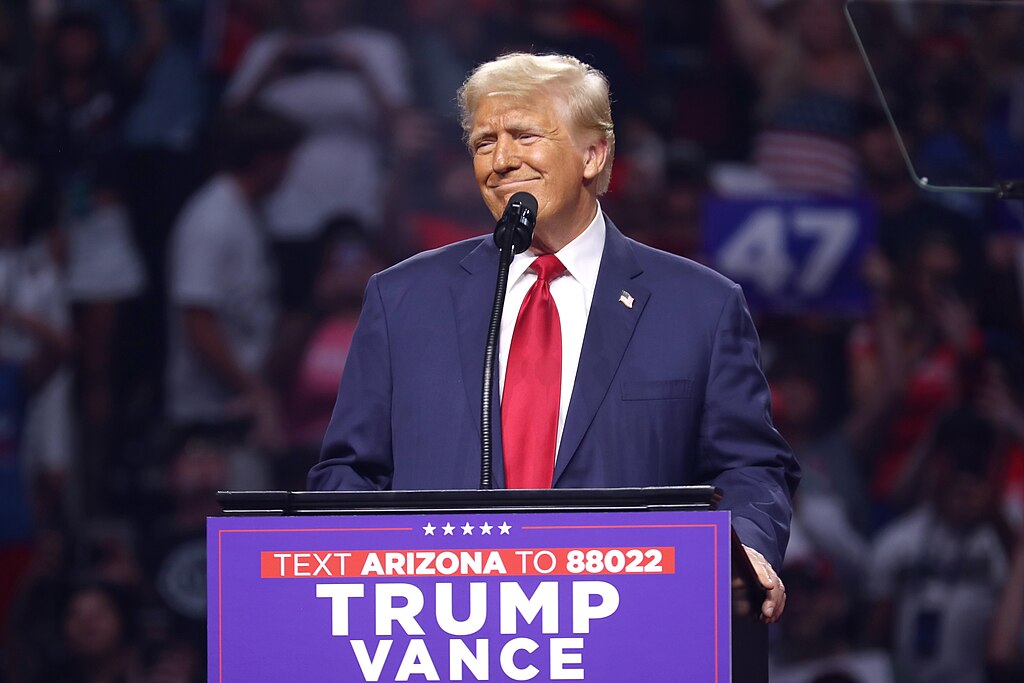
In 2025, former President Donald Trump has outlined ambitious plans to reform the U.S. education system, with a strong focus on promoting STEM (Science, Technology, Engineering, and Math) education. His administration’s proposal seeks to align educational priorities with a vision for a stronger, more competitive workforce, prepared for the rapidly evolving technological landscape.
A cornerstone of Trump’s approach is the enhancement of school choice, including the expansion of charter schools and private school options. By providing parents with more control over where their children attend school, Trump aims to encourage competition, ultimately raising the standards for STEM programs. Proponents argue that this will foster innovation and create more opportunities for students to engage with STEM subjects in dynamic, specialized settings.
Additionally, Trump’s administration has suggested redirecting funds from traditional public school systems into more flexible educational structures, including STEM-focused programs. This could allow schools to better tailor their curricula to modern workforce demands, preparing students for careers in fields like artificial intelligence, renewable energy, and cybersecurity, which are central to the nation’s technological future.
Another significant part of Trump’s strategy includes integrating technology into classrooms, ensuring that students are equipped with the digital tools necessary to excel in a tech-driven world. However, critics have raised concerns about the potential consequences of these changes, fearing that the narrowing focus on STEM might limit access to broader educational experiences, and that vulnerable communities could lose out on opportunities without additional support.
In his second term, Trump’s education reforms are likely to spark heated debates, especially regarding the dismantling of the Department of Education, which he proposes as part of a broader decentralization of federal control over schooling. This proposal could lead to increased funding for STEM programs in some states while leaving others at a disadvantage.
Despite these challenges, Trump’s initiative to promote STEM education reflects his broader goal of reshaping the future of American education to meet the demands of the 21st century economy. How this vision will play out depends largely on state and local implementation, as well as ongoing political support.













