


 MATCH Act Targets ASML and Chinese Chipmakers in New U.S. Export Crackdown
  SK Hynix Eyes Up to $14 Billion U.S. IPO to Fund AI Chip Expansion
  TSMC Japan's Second Fab to Produce 3nm Chips by 2028
  Samsung Electronics Posts Eightfold Profit Surge Driven by AI Chip Demand
  NASA's Artemis II Crew Arrives in Florida for Historic Moon Mission
  Elon Musk Ties SpaceX IPO Access to Mandatory Grok AI Subscriptions
  Britain Courts Anthropic Amid US Defense Department Dispute
  Federal Judge Blocks Pentagon's Blacklisting of AI Company Anthropic
  Cybersecurity Stocks Tumble After Anthropic's Claude Mythos AI Leak Sparks Market Fears
  Microsoft's $10 Billion Japan Investment: AI Infrastructure and Data Sovereignty Push
  Chinese Universities with PLA Ties Found Purchasing Restricted U.S. AI Chips Through Super Micro Servers
  Nanya Technology Shares Surge 10% After $2.5 Billion Private Placement from Sandisk and Cisco
  Makemation: a Nollywood movie that shows AI in action in Africa
  China's Push to Steal Taiwan's Chip Technology and Talent Raises Security Alarms
  California's AI Executive Order Pushes Responsible Tech Use in State Contracts
  Reflection AI Eyes $25 Billion Valuation in Massive $2.5 Billion Funding Round


A recent Massachusetts Institute of Technology (MIT) study challenges the prevailing notion that artificial intelligence (AI) is poised to replace a significant portion of jobs cost-effectively.
The MIT study, titled "Beyond AI Exposure," addressed growing concerns about the potential displacement of human workers across various industries.
Limited Viability of AI in Job Replacement
In one of the initial in-depth investigations into the practicality of AI displacing human labor, researchers focused on the cost-effectiveness of automating tasks in the United States, particularly those utilizing computer vision, such as teaching and property appraisal. The study revealed that only 23% of workers, measured in terms of dollar wages, could be efficiently replaced by AI. The upfront costs associated with implementing AI systems, especially in visual recognition, proved to be a limiting factor, making human labor more economical in some instances.
The study, funded by the MIT-IBM Watson AI Lab, surveyed approximately 1,000 visually-assisted tasks across 800 occupations.
According to Fortune, the findings indicated that a mere 3% of such tasks can be cost-effectively automated today, a figure projected to potentially increase to 40% by 2030 as data costs decrease and accuracy improves.
AI's Impact on Various Industries
Computer vision, a subset of AI enabling machines to extract meaningful information from digital images, demonstrated a favorable cost-benefit ratio in retail, transportation, warehousing, and healthcare sectors.
MIT researchers highlighted that the current feasibility extends to only 6% of tasks related to quality control in a hypothetical bakery. While the sophistication of AI tools like ChatGPT has led to concerns about job displacement, the MIT study suggests that a careful balance is needed to harness AI's potential fully without causing negative repercussions.
Neil Thompson, Director of the FutureTech Research Project at the MIT Computer Science and Artificial Intelligence Lab, emphasized that the study delves into the widespread applicability of computer vision across various occupations and industries.
According to Bloomberg, he highlighted the likelihood of increased automation in retail and healthcare, while areas like construction, mining, or real estate might see less impact from AI integration.
In conclusion, the MIT study challenges the narrative of imminent widespread job displacement due to AI, emphasizing the nuanced impact across different sectors and the need for a cautious approach to AI integration in the workforce.
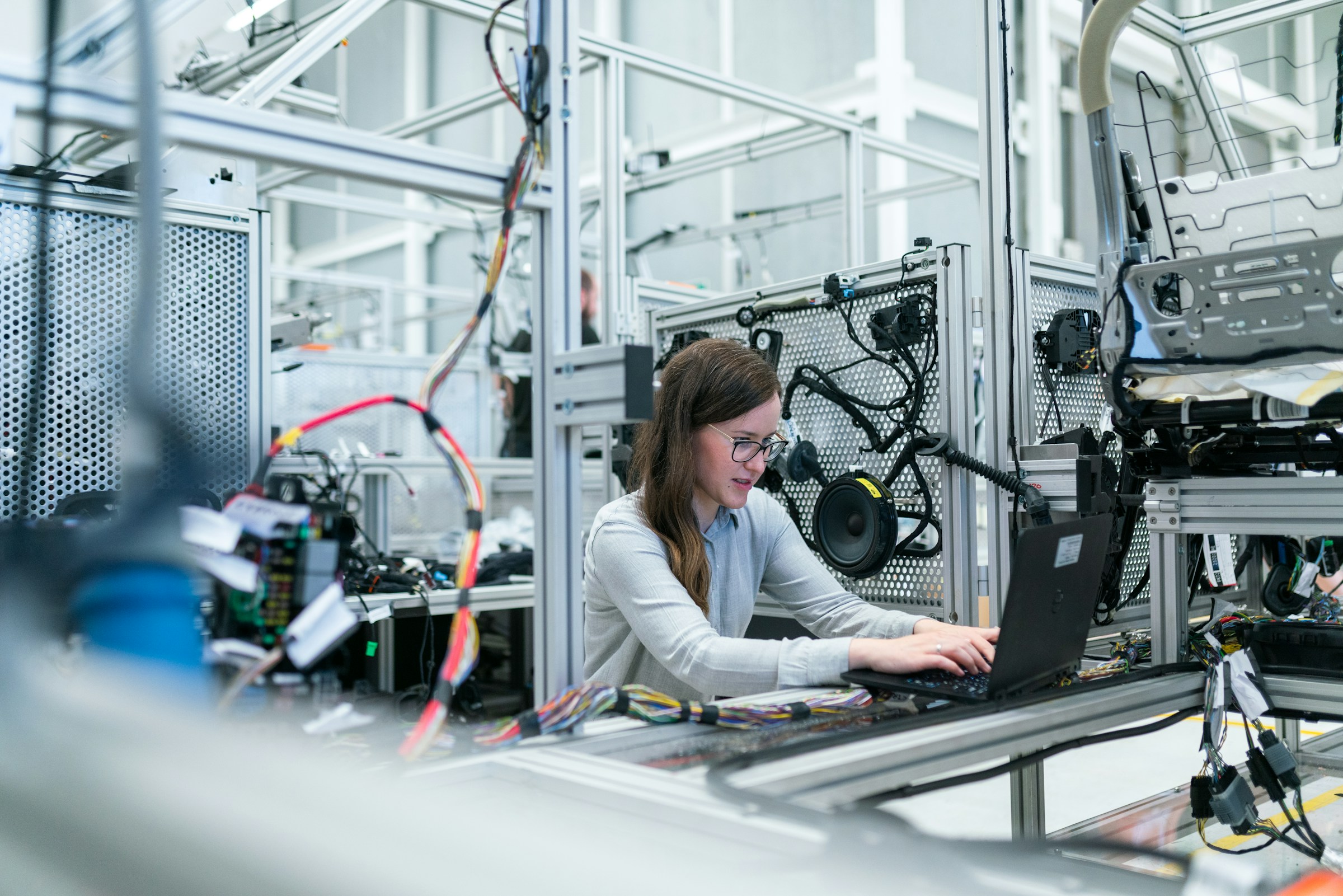
Photo by: ThisisEngineering RAEng/Unsplash







