


 Illinois Delays Crypto Tax Law Until July 2027
  Trump Weighs FBI Probe Into Nolan Wells’ Death
  Saudi Arabia Probes Flydubai Cockpit Attack
  Kalshi Wins CFTC Approval for S&P 500 Perpetual Futures
  Gold Prices Fall as Stronger Dollar Weighs on Bullion
  US Conducts Non-Nuclear Explosion Test to Boost Nuclear Detection
  Trump Orders Firing Squad Execution for Fort Hood Gunman
  France to Release 10 Million Barrels of Diesel to Ease Fuel Prices
  Oil Prices Rise as Gulf Hurricane and Middle East Supply Risks Mount
  Gold Prices Rise as Hormuz Tensions Fuel Inflation Risks
  Wall Street Falls as Fed Minutes Signal Another Rate Hike
  US, EU Push for Action Against Asia’s Excess Factory Capacity
  US Waives $320M Egypt Military Aid Conditions After Iran War Role
  UK Warned Over Growing Reliance on US Cloud Providers
  Florida Seeks Tougher Meta Rules to Protect Young Users


 Add as a preferred source on Google
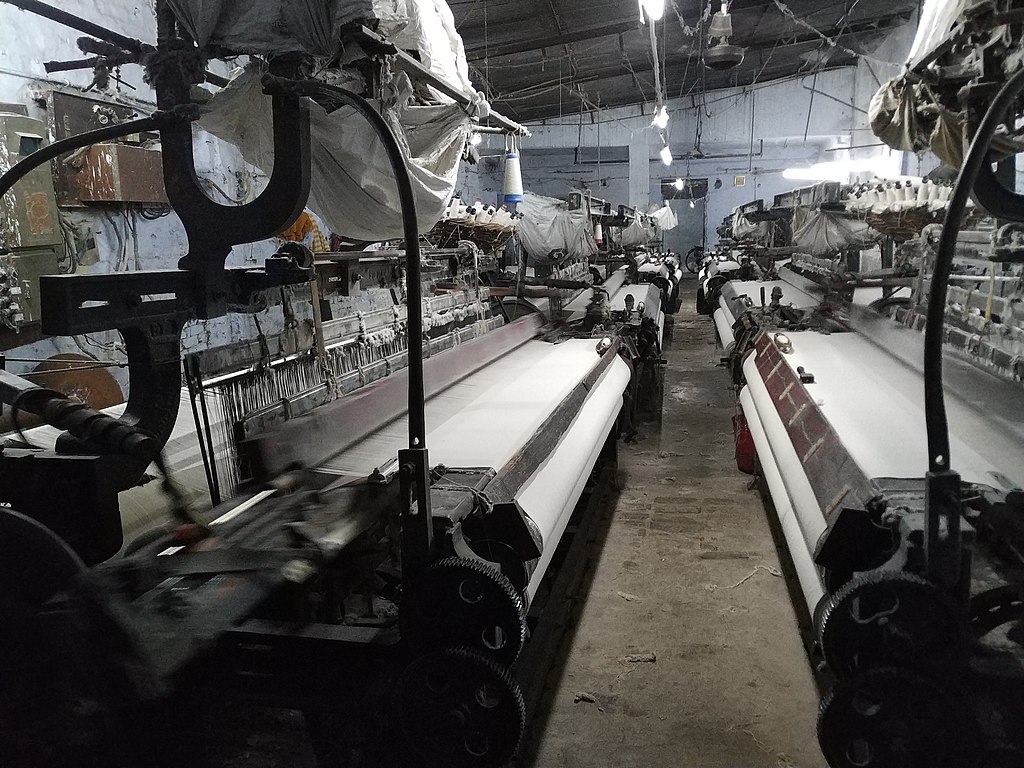
India is ending its $23 billion Production-Linked Incentive (PLI) scheme, aimed at boosting domestic manufacturing and reducing reliance on China, just four years after its launch. According to government sources, the initiative will not be extended beyond its initial 14 sectors, and deadlines will remain unchanged, despite company requests.
The PLI program, which attracted 750 firms—including Foxconn and Reliance Industries—offered cash incentives for meeting production goals. However, by October 2024, only $151.9 billion worth of goods had been produced—just 37% of the target—with under 8% of funds disbursed. Although mobile and pharmaceutical sectors saw growth, most others, including steel, solar, and textiles, underperformed.
The government touted $163 billion in output by November 2024 but did not confirm the program's future. Critics blame red tape and slow subsidy payouts for discouraging manufacturers. Notably, eight of twelve solar firms, including those linked to Adani, JSW, and Reliance, are unlikely to meet targets.
India’s manufacturing share in GDP has fallen from 15.4% to 14.3% since the scheme began, missing the goal of 25% by 2025. Analysts say the plan was a vital chance to position India as a global manufacturing hub during China’s COVID-era slowdown and amid U.S.-China tensions.
Some officials say the end of PLI doesn’t mean India is abandoning its manufacturing goals. Future alternatives may include reimbursing plant setup costs to offer faster returns. Experts, however, warn that missing this opportunity could hinder India's long-term industrial ambitions, especially as global trade competition intensifies.







