


 South Korea's Inflation Rises Modestly in March Amid Oil Price Pressures
  Gold Prices Surge as U.S.-Iran Ceasefire Talks Spark Market Optimism
  South Korea Manufacturing PMI Hits 4-Year High in March 2025 Driven by Semiconductor Demand
  U.S. Dollar Climbs as Trump Escalates Rhetoric Against Iran
  Japan's Business Confidence Rises Despite Iran War Uncertainty, BOJ Rate Hike Expected
  Japan Signals Readiness to Intervene as Yen Weakens Toward 160 Per Dollar
  Oil Prices Climb as Middle East Conflict Keeps Supply Risks Elevated
  Trump's Claim That the U.S. Can Cover Global Jet Fuel Shortfall Doesn't Add Up
  Gold Prices Drop as Trump Escalates Iran Threats, Oil Surges
  Asian Stocks Surge on Trump's Iran War Comments and Dip-Buying
  Australia's Trade Surplus Surges in February on Gold Export Boom
  Oil Prices Surge Over $5 as Trump Vows to Continue Iran Strikes
  U.S. Stock Futures Stabilize Ahead of Good Friday as Investors Eye Jobs Report
  Trump Threatens Escalation Against Iran, Warns of Infrastructure Strikes
  RBI Clamps Down on Rupee NDF Activity, Banks Face Steeper Losses
  Trump Expands Tariffs on Pharmaceuticals and Metals One Year After Liberation Day
  Gulf War Ceasefire Hopes Weigh on Dollar Ahead of Trump Address


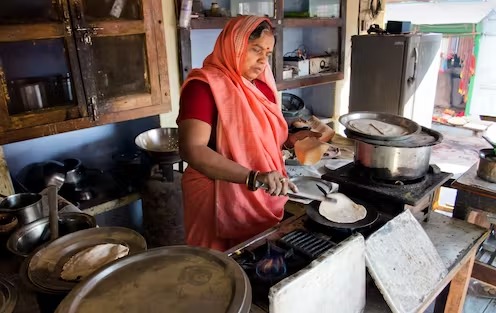
India’s dominant services sector showed a strong rebound in January after slipping to an 11-month low in December, supported by a rise in new business activity, according to the latest HSBC India Services Purchasing Managers’ Index (PMI) compiled by S&P Global. The index increased to 58.5 in January from 58.0 in December, signaling continued expansion. A PMI reading above 50 indicates growth, and January marked the 54th consecutive month of expansion, the longest streak since the survey began in 2005, although the figure fell slightly short of the preliminary estimate of 59.3.
The recovery in India’s services sector was largely driven by faster growth in new business, a key indicator of demand. New orders expanded at their quickest pace since November, with companies attributing the improvement to a stronger online presence, aggressive marketing strategies, and better client engagement. According to HSBC, robust output growth was also supported by a steady flow of international orders, particularly from South and Southeast Asia.
Export demand improved notably during the month, with new export business growing at its fastest pace in three months. Survey respondents highlighted increased demand from countries such as Indonesia, Qatar, Sri Lanka, and Vietnam. The survey data was collected between January 9 and 28, a period that also saw positive developments on the trade front. India recently signed a trade agreement with the European Union, and the United States announced a significant reduction in tariffs on Indian goods, potentially boosting export-driven growth in the coming months.
Despite the pickup in activity, employment growth remained weak. Hiring returned to expansion after a contraction in December, but job creation stayed just above the neutral 50 mark, indicating near-stagnant labor market conditions. Meanwhile, inflationary pressures intensified, with input costs rising at the fastest pace since September due to higher prices for food, electronics, and paper. Service providers passed on part of these costs to customers, pushing output charges to a three-month high.
Overall business sentiment improved, with firms expressing greater confidence in the year-ahead outlook, supported by expectations of efficiency gains, new client acquisitions, and sustained demand. Reflecting broader economic momentum, the HSBC India Composite PMI, which combines services and manufacturing, rose to 58.4 in January from 57.8 in December, reinforcing signs of resilient economic growth.







