


 Levi Strauss Raises 2026 Outlook After Q2 Earnings Beat, Shares Drop Despite Strong Results
  Elon Musk Says Anthropic Leads AI Race as Claude Models Challenge OpenAI
  Muji Owner Ryohin Keikaku Stock Soars After Raising Full-Year Earnings Forecast
  Apple Tests China's CXMT Memory Chips as DRAM Maker Gains Global Market Share
  Chinese Chip Stocks Jump as Apple Reportedly Tests CXMT Memory Chips for China Devices
  Australia Flags Child Safety Gaps at Apple, Meta, Google Over Online Sexual Extortion
  Morgan Stanley Says China’s Reusable Rocket Progress Poses Long-Term Challenge to SpaceX
  Nippon Paint Reportedly Offers Up to €7.5 Billion for Akzo Nobel Decorative Paints Business
  UBS Starts CarTrade Tech With Buy Rating, Sees Strong Earnings Growth and ₹4,000 Target
  SK Hynix Soars 13% in Nasdaq Debut After Record $26.5 Billion IPO
  Nvidia Tightens AI Chip Sales in Asia With Stricter Customer Approval Process
  Goldman AM Sees Strong Buyout Opportunities in Japan, South Korea and Australia
  SK Hynix Prices Record U.S. ADR Offering at $149 After $200 Billion Investor Demand
  Apple Sues OpenAI, Former Employees Over Alleged Trade Secret Theft
  Kitron Q2 Revenue Beats Estimates as Defense Demand Lifts Growth
  OpenAI Executive Fidji Simo to Step Down Amid Health Challenges Ahead of IPO
  Samsung to Launch First Yongin Chip Plant by 2029 as South Korea Speeds Up Semiconductor Hub


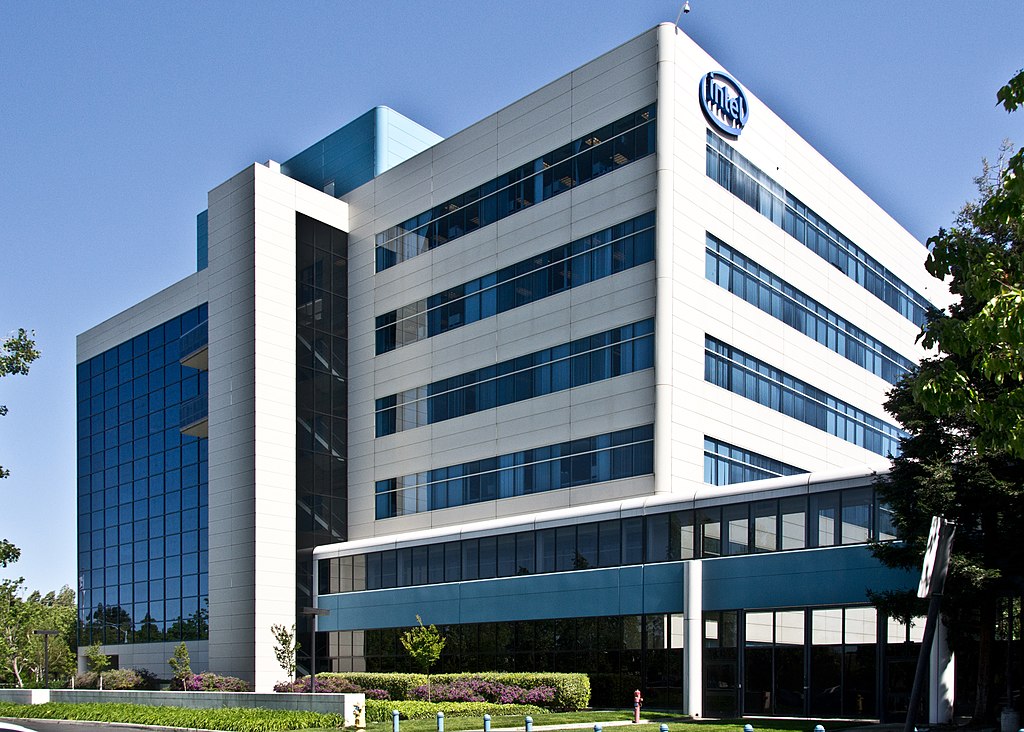
Intel has tested advanced chipmaking equipment this year from ACM Research, a semiconductor toolmaker with deep operational ties to China, according to sources familiar with the matter. The move has drawn scrutiny because two of ACM Research’s overseas units—based in Shanghai and South Korea—were previously targeted by U.S. sanctions over alleged links to China’s military-backed technology development. While no evidence suggests Intel violated U.S. regulations, the testing highlights growing tensions around semiconductor supply chains, national security, and China-linked technology.
The equipment in question consists of two “wet etch” tools, which are used to remove material from silicon wafers during semiconductor fabrication. These tools were evaluated for possible use in Intel’s most advanced manufacturing node, known as 14A, which is scheduled for an initial launch in 2027. Reuters could not confirm whether Intel plans to integrate the tools into its production process. ACM Research stated it could not comment on specific customers but confirmed that its U.S. team has sold and delivered multiple tools from its Asian operations to domestic clients, including a major U.S.-based chipmaker.
The issue is politically sensitive, as Intel is now partially owned by the U.S. government and has previously faced criticism over perceived China ties. Critics argue that using equipment from a supplier with sanctioned Chinese units could risk technology transfer, undermine trusted Western suppliers, or expose U.S. chip production to potential manipulation or sabotage. These concerns have intensified as Washington debates how to balance economic competitiveness with export controls and national security safeguards.
ACM Research denies posing any security risk, emphasizing that its U.S. operations are isolated from its China-based units and supported by American personnel. The company, founded in 1998 and headquartered in California, conducts much of its research and development in Shanghai, while also operating a new sales and service hub in Hillsboro, Oregon, near Intel’s major facilities.
As Chinese semiconductor equipment makers expand globally with lower-cost alternatives, U.S. lawmakers from both parties are pushing legislation to restrict subsidized chipmakers from using Chinese equipment. Intel’s testing of ACM tools underscores the broader challenge facing the semiconductor industry: securing supply chains while remaining competitive in an increasingly divided global tech landscape.







