


 Trump Signs “America First Arms Transfer Strategy” to Prioritize U.S. Weapons Sales
  Trump Allows Commercial Fishing in Protected New England Waters
  Trump Endorses Japan’s Sanae Takaichi Ahead of Crucial Election Amid Market and China Tensions
  New York Legalizes Medical Aid in Dying for Terminally Ill Patients
  China Warns US Arms Sales to Taiwan Could Disrupt Trump’s Planned Visit
  Trump Rejects Putin’s New START Extension Offer, Raising Fears of a New Nuclear Arms Race
  U.S. Lawmakers to Review Unredacted Jeffrey Epstein DOJ Files Starting Monday
  Trump Signs Executive Order Threatening 25% Tariffs on Countries Trading With Iran
  Keir Starmer Faces Political Crisis After Condemning Peter Mandelson Over Epstein Ties
  South Korea Assures U.S. on Trade Deal Commitments Amid Tariff Concerns
  Ukraine-Russia Talks Yield Major POW Swap as U.S. Pushes for Path to Peace
  Marco Rubio Steps Down as Acting U.S. Archivist Amid Federal Law Limits
  NATO to Discuss Strengthening Greenland Security Amid Arctic Tensions
  TrumpRx Website Launches to Offer Discounted Prescription Drugs for Cash-Paying Americans
  Newly Released DOJ Epstein Files Expose High-Profile Connections Across Politics and Business
  Iran–U.S. Nuclear Talks in Oman Face Major Hurdles Amid Rising Regional Tensions
  U.S.-India Trade Framework Signals Major Shift in Tariffs, Energy, and Supply Chains


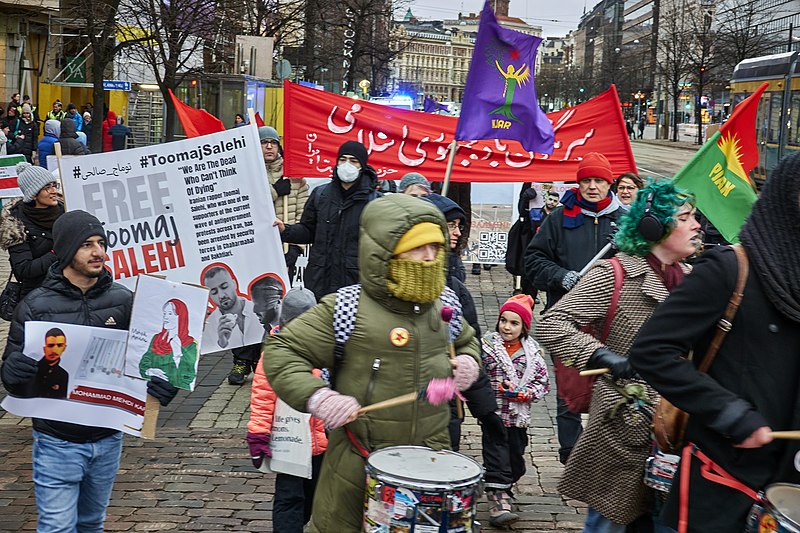
Iran has been facing months of unrest since September, with widespread protests across the country against its clerical leaders. Iranian authorities have now sought other tactics to reinforce its crackdown on women who refuse to wear hijab in public spaces.
Tehran has now sought to enforce other tactics to penalize women who remain defiant of the obligatory Islamic hijab rule in the country. Such tactics include installing security cameras in public spaces and asking businesses to deny providing goods or services to women who are not wearing their veils. This has replaced the country’s so-called morality police, which became a flashpoint in the months of protests against the clerical government by women and students.
The measures have yet to make progress against the opposition of women to wearing the hijab and may likely worsen the country’s economic crisis if they also result in businesses closing due to such policies, according to Iranian activists. Residents told Reuters that the vehicles of the morality police, made up of both male and female crew, have largely vanished from the cities they used to patrol as a result of the unrest.
Iranian officials have also said patrols by the morality police will no longer lead Tehran’s response to the movement in defiance of the clerical government.
This comes as Iran is facing months of unrest since September, following the death of a Kurdish Iranian woman, Mahsa Amini, while in the custody of the morality police for allegedly flouting the Islamic dress code. The protests that ensued marked the biggest challenges to Iran’s leaders since the 1979 Revolution.
Despite these measures, along with warnings of heavy fines and imprisonment, many Iranian women have remained defiant by skipping the headscarf when in public places. Tehran has blamed the unrest on its foreign adversaries, such as the United States and Israel.
Over the weekend, Iranian Supreme Leader Ali Khamenei expressed his dislike of a US military presence in neighboring Iraq during a visit by Iraqi President Abdul Latif Rashid to Tehran. Khamenei warned Rashid against Iraq having relations with the United States, saying that Washington is “not friends with Iraq.”
“The Americans have friendships with no one and are not even loyal to their European friends,” said Khamenei, according to the transcript of the meeting on his official website.













