


 U.S. Envoys Witkoff and Kushner Expected to Visit Kyiv in April Amid Stalled Peace Talks
  U.S. F-15E Shot Down Over Iran: One Crew Member Recovered Amid Escalating Conflict
  Trump Endorses Steve Hilton for California Governor
  Britain Courts Anthropic Amid US Defense Department Dispute
  U.S. and Iran Edge Toward Potential 45-Day Ceasefire Amid Escalating Tensions
  Ukraine Launches Massive Drone Offensive Across Russia, Knocking Out Power to Hundreds of Thousands
  How will the Iran war change the Middle East? We asked 5 experts
  Iran-US Ceasefire Talks: Pakistan Brokers "Islamabad Accord" to Reopen Strait of Hormuz
  Trump-Xi Summit 2026: U.S.-China Trade War Tensions and Tariff Talks
  Iran Rejects Trump's Hormuz Ultimatum, Threatens Wider Trade Disruption
  Trump Issues Deadline for Iran to Reopen Strait of Hormuz Amid Escalating Conflict
  Israel Poised to Strike Iranian Energy Sites, Awaiting U.S. Approval
  Kim Jong Un's Daughter Emerges as North Korea's Likely Successor, South Korean Intelligence Says
  Judge Blocks DOJ Subpoenas in Federal Reserve Investigation, Delaying Powell Succession
  U.S. Commandos Execute Daring Rescue Mission Deep Inside Iran
  Trump's "Easter Miracle" Rescue Sparks Church-State Debate
  Indonesia Files Genocide Case Against Myanmar's Min Aung Hlaing Over Rohingya Crisis


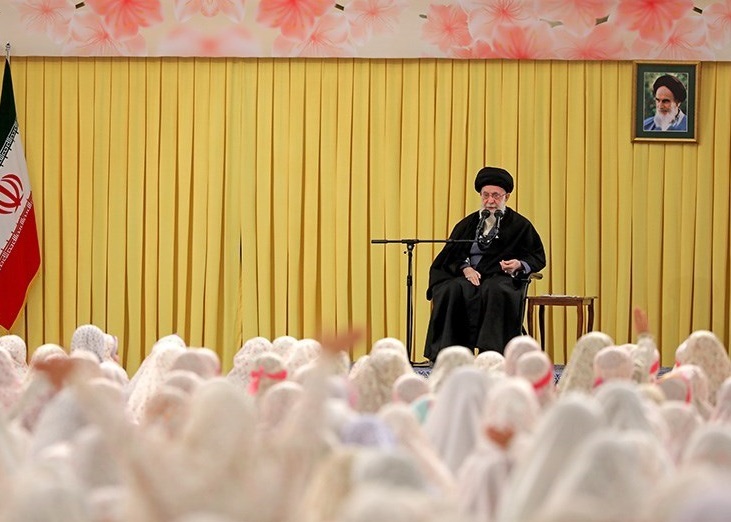
Iranian Supreme Leader Ali Khamenei has reportedly pardoned thousands of prisoners this week. Some of those who were pardoned were involved in the ongoing anti-government protests.
Iranian state media IRNA reported on Sunday that Khamenei pardoned “tens of thousands” of prisoners, including some who were arrested in the ongoing protests. However, the pardons, which coincided with the anniversary of the 1979 Revolution, came with conditions and did not apply to several groups of prisoners.
The pardons do not apply to numerous dual nationals that are being detained in Iran, those who are convicted of “corruption on earth,” those charged for “spying for foreign agencies, having direct contact with foreign agents, committing intentional murder or perjury, committing destruction and arson of state property,” or those who are associated with “groups hostile to the Islamic Republic.”
“During recent events, a number of people especially young people, committed wrong actions and crimes as a result of the indoctrination and propaganda of the enemy,” said Iran’s judiciary head Mohseni Ejei in a letter to Khamenei requesting the pardons. “Since the foreign enemies and anti-revolutionary currents’ plans have been foiled, many of those youth now regret their actions.”
“Naturally, those who do not express regret for their activities and give a written commitment for not repeating those activities, will not be pardoned,” said deputy judiciary chief Sadeq Rahimi, according to state media.
The protests erupted in September last year following the death of Mahsa Amini in the custody of the morality police days after getting detained for allegedly flouting the Islamic Republic’s dress code for women. The Islamic Republic has sought to crack down on the protests, marking the biggest challenge to clerical rule since the 1979 Revolution, and has executed four people on protest-related charges. Tehran has also blamed its foreign adversaries for the protests.
Friday last week, Iranian Nobel Laureate Shirin Ebadi, who has expressed staunch support for the protests, said Amini’s death sparked a “revolutionary process” that is irreversible and would eventually lead to the Islamic Republic’s collapse.
In an interview by phone, Ebadi, who is based in London, said Tehran’s use of deadly violence against the demonstrators would only fuel the anger felt by ordinary Iranians about the clerical regime due to their grievances being left unaddressed.







