


 Trump Eyes Cabinet Shake-Up Amid Iran War Political Fallout
  U.S. Arrests Soleimani's Relatives After Green Cards Revoked
  Ukraine Frontline Holds Firm as Zelenskyy Claims March Offensive Successfully Repelled
  U.S. Warplane Shot Down by Iran Amid Escalating Middle East Conflict
  U.S. Envoys Witkoff and Kushner Expected to Visit Kyiv in April Amid Stalled Peace Talks
  Trump's FY2027 Budget: Major Defense Boost and Domestic Spending Cuts
  Judge Blocks DOJ Subpoenas in Federal Reserve Investigation, Delaying Powell Succession
  China's Anti-Corruption Purge Reaches New Heights as Politburo Shrinks to 25-Year Low
  MATCH Act Targets ASML and Chinese Chipmakers in New U.S. Export Crackdown
  Russia's Easter Strikes Kill Multiple Civilians Across Ukraine
  Trump Issues Deadline for Iran to Reopen Strait of Hormuz Amid Escalating Conflict
  Iran's Stranglehold on the Strait of Hormuz: What It Means for Global Markets
  U.S. Commandos Execute Daring Rescue Mission Deep Inside Iran
  U.S. and Israel Escalate Pressure on Iran Over Strait of Hormuz as War Enters Sixth Week
  Iran-U.S. Military Tensions Escalate as Tehran Fortifies Key Energy Infrastructure
  U.S.-Iran War Escalates: Downed Fighter Jet, Stalled Ceasefire Talks, and Ground Invasion Fears
  Giuffre Family Urges King Charles to Meet Epstein Survivors During U.S. State Visit


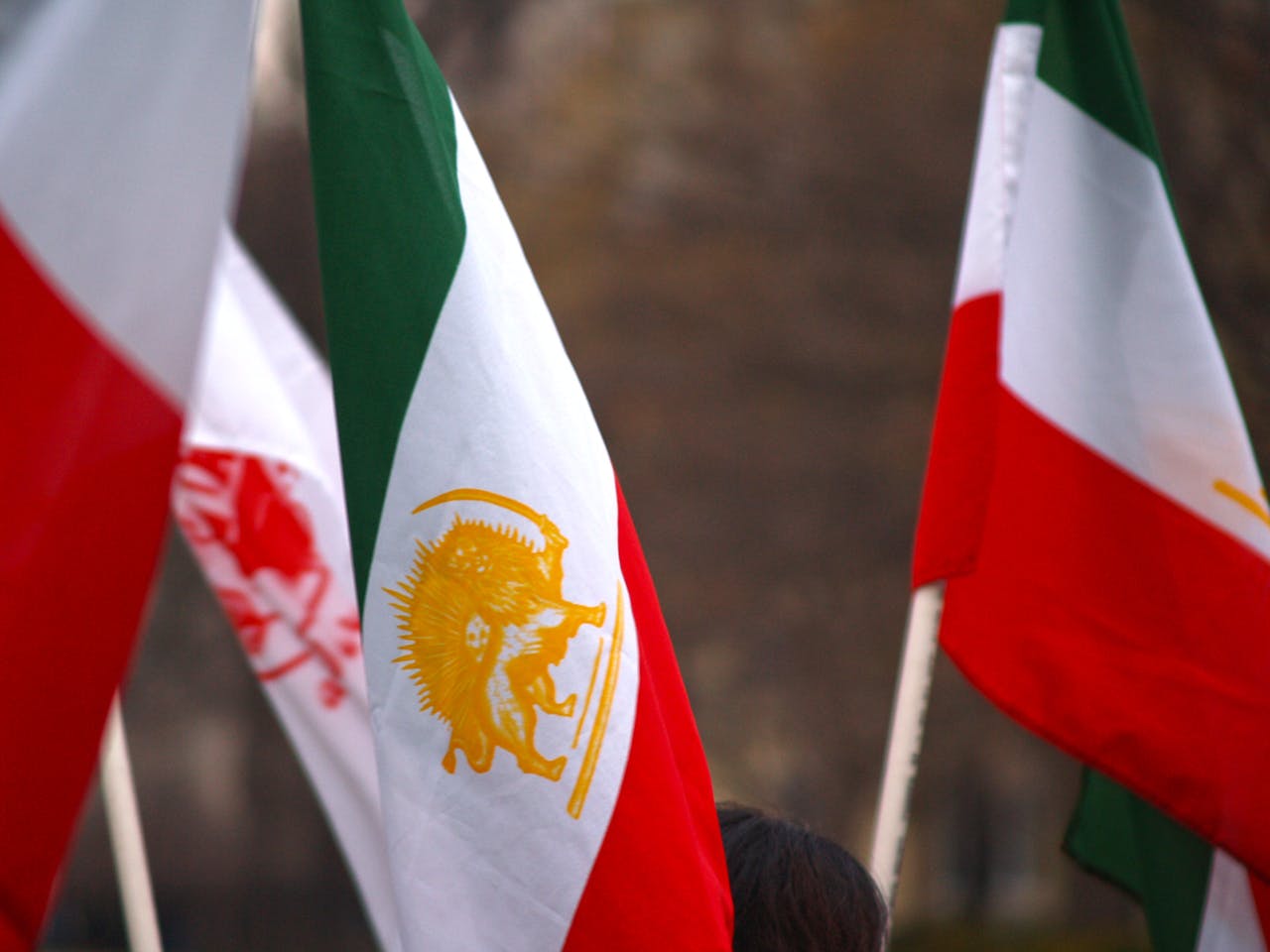
Iran has firmly pushed back against U.S. President Donald Trump's latest threats over the Strait of Hormuz, dismissing his ultimatum and introducing new conditions that could further destabilize global trade routes. The standoff signals a deepening crisis with potentially far-reaching economic consequences.
Parliamentary Speaker Mohammad Bagher Qalibaf publicly rejected Trump's warning of military strikes on Iranian infrastructure, calling the threats "reckless" and urging Washington to respect Iranian sovereignty instead. "The only real solution is respecting the rights of the Iranian people and ending this dangerous game," Qalibaf wrote on X, making clear that Tehran has no intention of yielding to pressure.
Iran also attached a new financial condition to any potential reopening of the strait. Presidential spokesperson Seyyed Mohammad Mehdi Tabatabaei stated that resuming transit through Hormuz would require allocating a portion of shipping revenues as compensation for war-related damages — a demand that significantly raises the bar for any diplomatic resolution.
Beyond the Persian Gulf, senior Iranian officials are now warning that the conflict could spill into another critical global chokepoint. Ali Akbar Velayati, a close adviser to Supreme Leader Ali Khamenei, threatened that the "resistance front" could target the Bab el-Mandeb Strait in the Red Sea — a waterway responsible for approximately 12% of global trade and previously disrupted by Iran-aligned Houthi forces in Yemen. Any interference there would compound already surging oil and gas prices triggered by the near-shutdown of Hormuz traffic.
Trump had set a Tuesday deadline for Iran to reopen the strait, threatening to destroy Iranian power plants and infrastructure if it failed to comply. While he suggested a deal could come quickly, Iran's hardening demands and expanding threats point to a prolonged and volatile standoff with serious implications for global energy markets and international trade stability.







