


 Sydney Braces for Pro-Palestine Protests During Israeli President Isaac Herzog’s Visit
  U.S. Lawmakers to Review Unredacted Jeffrey Epstein DOJ Files Starting Monday
  Trump Signs Executive Order Threatening 25% Tariffs on Countries Trading With Iran
  New York Legalizes Medical Aid in Dying for Terminally Ill Patients
  US Pushes Ukraine-Russia Peace Talks Before Summer Amid Escalating Attacks
  Trump’s Inflation Claims Clash With Voters’ Cost-of-Living Reality
  Nicaragua Ends Visa-Free Entry for Cubans, Disrupting Key Migration Route to the U.S.
  Trump Administration Appeals Court Order to Release Hudson Tunnel Project Funding
  India–U.S. Interim Trade Pact Cuts Auto Tariffs but Leaves Tesla Out
  Trump Congratulates Japan’s First Female Prime Minister Sanae Takaichi After Historic Election Victory
  Japan Election 2026: Sanae Takaichi Poised for Landslide Win Despite Record Snowfall
  Israel Approves West Bank Measures Expanding Settler Land Access
  Federal Judge Restores Funding for Gateway Rail Tunnel Project
  Japan’s Prime Minister Sanae Takaichi Secures Historic Election Win, Shaking Markets and Regional Politics
  Taiwan Says Moving 40% of Semiconductor Production to the U.S. Is Impossible
  Ohio Man Indicted for Alleged Threat Against Vice President JD Vance, Faces Additional Federal Charges
  Bosnian Serb Presidential Rerun Confirms Victory for Dodik Ally Amid Allegations of Irregularities


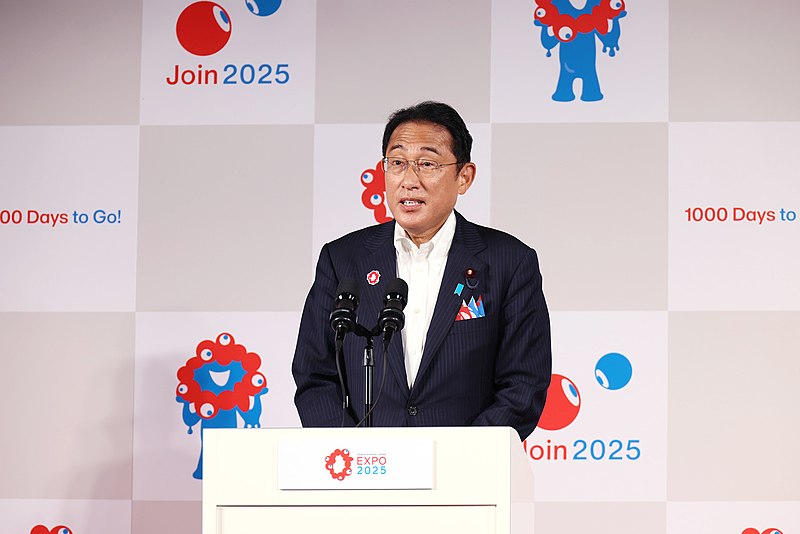
Japanese Prime Minister Fumio Kishida is set to reshuffle his Cabinet this week, specifically looking into the ties of politicians with the Unification Church. Kishida said that the new cabinet members and officials of the ruling party must “review” their ties with the religious group.
In a news conference in Nagasaki Tuesday, Kishida said that all the incoming members of his Cabinet, as well as incoming officials under the ruling Liberal Democratic Party, must “thoroughly review” their ties with the Unification Church. Kishida explained that this would be a “pre-requisite.”
Regarding the reshuffling of Cabinet members, Kishida said it was necessary in order to address problems in the country, such as rising prices and a tense security situation. The reshuffling comes at a time when Kishida’s administration is facing low support ratings.
The links between the LDP and the Unification Church have also been under scrutiny following the fatal shooting of former Prime Minister Shinzo Abe last month.
Kishida’s Cabinet has also received low support ratings, from 59 percent to 46 percent three weeks ago, according to Japanese broadcaster NHK Monday. The majority of the respondents in surveys conducted said they want an explanation of the ties of politicians to the Unification Church.
Kyodo News reported Tuesday that former economy minister Yasutoshi Nishimura would replace Koichi Hagiuda as industry minister. Hagiuda, according to other reports, will likely take over as the chairman of the LDP’s policy research committee, replacing Sanae Takaichi, who will become the economic security minister.
Defense minister Nobuo Kishi, Abe’s brother, will be replaced by former defense minister Yasukazu Hamada. Another former defense minister, Taro Kono, will become the new digital minister.
Several other Cabinet members, such as foreign minister Yoshimasa Hayashi, economy minister Daishiro Yamagiwa, and finance minister Shunichi Suzuki will retain their posts.
Friday last week, Hayashi said Japan remains open to dialogue with China as keeping communication lines intact is important, especially when ties between the two countries are facing a strain. Hayashi’s comments came as China cancelled a bilateral meeting on the sidelines of the ASEAN summit in Cambodia.
China cancelled its bilateral meeting with Hayashi after it expressed displeasure with the statement by G7 urging Beijing to resolve the conflict over Taiwan in a peaceful manner.













