


 Oil Prices Hold Near Multi-Year Highs Amid Iran Conflict and Hormuz Supply Fears
  Australia's Trade Surplus Surges in February on Gold Export Boom
  Gold Prices Drop as Trump Escalates Iran Threats, Oil Surges
  U.S. Stock Futures Stabilize Ahead of Good Friday as Investors Eye Jobs Report
  Japan's Business Confidence Rises Despite Iran War Uncertainty, BOJ Rate Hike Expected
  Oil Prices Slide as Iran Tensions Ease and U.S. Crude Stockpiles Swell
  Trump Threatens Escalation Against Iran, Warns of Infrastructure Strikes
  Japan's Services Sector Growth Slows in March Amid Rising Middle East Tensions
  Trump's Claim That the U.S. Can Cover Global Jet Fuel Shortfall Doesn't Add Up
  U.S. Dollar Climbs as Trump Escalates Rhetoric Against Iran
  U.S. Job Market Braces for Slow Recovery Amid Middle East Tensions and Economic Uncertainty
  South Korea's Inflation Rises Modestly in March Amid Oil Price Pressures
  Japan Business Sentiment Rises as Iran War Fuels Inflation Fears, BOJ Rate Hike Looms
  Asian Stocks Drop as Trump Signals Iran War Escalation
  U.S. Stock Futures Steady Amid Iran Ceasefire Talks and Trump Address
  Trump Expands Tariffs on Pharmaceuticals and Metals One Year After Liberation Day
  Trump's Iran War Speech Sparks Market Anxiety Over Extended Conflict


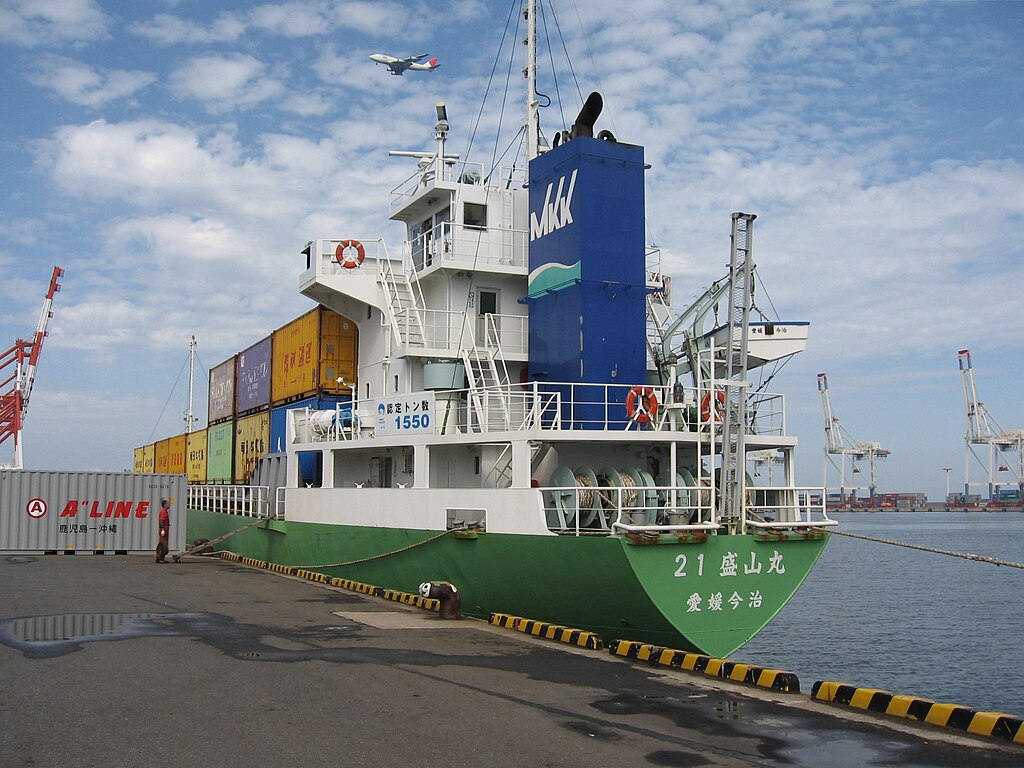
Japan’s exports of agricultural, forestry and fishery products surged to a new all-time high in 2025, rising 12.8% year on year to 1.701 trillion yen (approximately $10.9 billion), according to the Ministry of Agriculture, Forestry and Fisheries (MAFF). This marked the 13th consecutive annual increase, underscoring the growing global demand for Japanese food products even amid trade challenges such as new tariffs and lingering restrictions in key markets.
The export growth was driven primarily by stronger shipments to the United States and a rebound in exports to China following a sharp decline in 2024. Exports had totalled 1.507 trillion yen in 2024, making the latest figures a significant jump and the highest level on record for Japan’s food-related exports.
MAFF officials attributed the growth to rising global interest in Japanese cuisine, increased exposure to Japanese food through inbound tourism, and heightened health consciousness among consumers worldwide. These trends boosted demand across multiple regions, pushing exports to destinations such as the United States, Taiwan, and South Korea to record levels.
The United States remained Japan’s largest export destination for the second consecutive year, with shipments climbing 13.7% to 276.2 billion yen. Strong demand for products such as green tea and beef supported growth, even after new tariffs were introduced in April 2025. Meanwhile, exports to China increased 7.0% to 179.9 billion yen, recovering from a 29% slump the previous year. This rebound was supported by higher shipments of ornamental koi, beer, and logs.
China had suspended imports of all Japanese seafood in 2023 following the release of treated water from the Fukushima Daiichi nuclear power plant. Although the ban was partially eased in mid-2025, seafood exports to China have yet to recover significantly. As a result, the Japanese government continues to promote the diversification of seafood export destinations, particularly across Asia and the United States.
By product category, beef, rice, green tea, and yellowtail all recorded their highest-ever export values in 2025. Despite the strong performance, total exports fell short of the government’s 2 trillion yen target for the year. Looking ahead, Japan aims to reach 5 trillion yen in food exports by 2030 by expanding sales channels beyond Japanese-affiliated businesses and ensuring stable production of high-demand items such as matcha.







