


 U.S.-India Trade Framework Signals Major Shift in Tariffs, Energy, and Supply Chains
  Missouri Judge Dismisses Lawsuit Challenging Starbucks’ Diversity and Inclusion Policies
  Trump Signs “America First Arms Transfer Strategy” to Prioritize U.S. Weapons Sales
  U.S. Lawmakers to Review Unredacted Jeffrey Epstein DOJ Files Starting Monday
  Ohio Man Indicted for Alleged Threat Against Vice President JD Vance, Faces Additional Federal Charges
  Jack Lang Resigns as Head of Arab World Institute Amid Epstein Controversy
  U.S. Announces Additional $6 Million in Humanitarian Aid to Cuba Amid Oil Sanctions and Fuel Shortages
  Trump Endorses Japan’s Sanae Takaichi Ahead of Crucial Election Amid Market and China Tensions
  Trump Allows Commercial Fishing in Protected New England Waters
  Federal Judge Restores Funding for Gateway Rail Tunnel Project
  Norway Opens Corruption Probe Into Former PM and Nobel Committee Chair Thorbjoern Jagland Over Epstein Links
  New York Legalizes Medical Aid in Dying for Terminally Ill Patients
  Trump Backs Nexstar–Tegna Merger Amid Shifting U.S. Media Landscape
  South Korea Assures U.S. on Trade Deal Commitments Amid Tariff Concerns
  TrumpRx Website Launches to Offer Discounted Prescription Drugs for Cash-Paying Americans
  Trump Signs Executive Order Threatening 25% Tariffs on Countries Trading With Iran
  Iran–U.S. Nuclear Talks in Oman Face Major Hurdles Amid Rising Regional Tensions


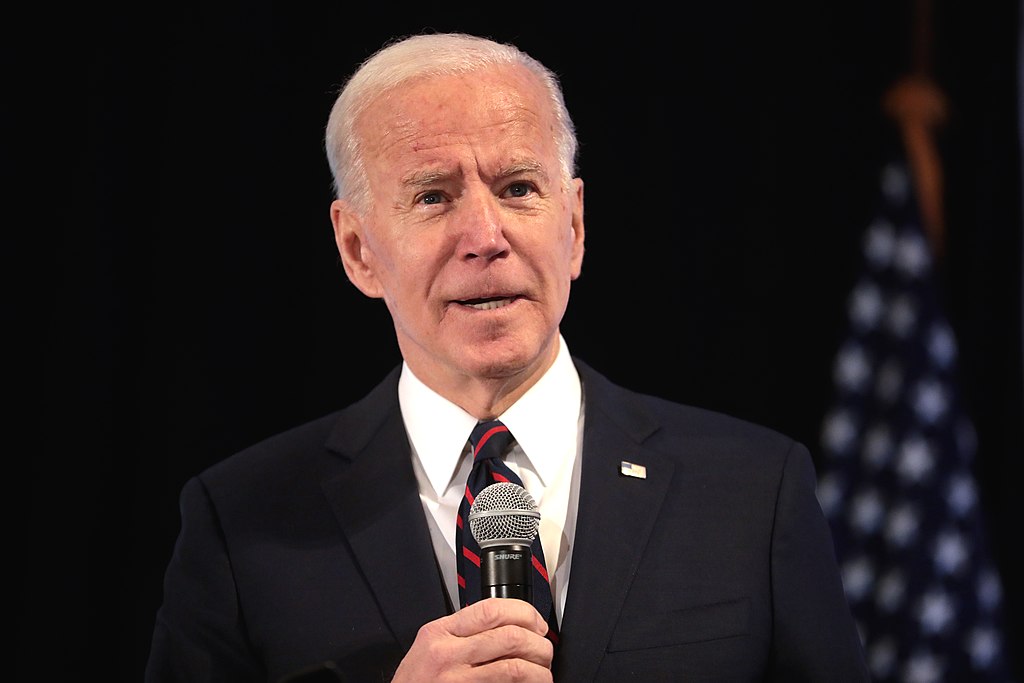
The Biden administration is under intense scrutiny following revelations about a controversial plea deal involving critical figures accused of orchestrating the September 11, 2001, terrorist attacks. The deal, which was reportedly struck with Khalid Sheikh Mohammed, Walid Muhammad Salih Mubarak Bin Attash, and Mustafa Ahmed Adam al-Hawsawi, has since been revoked by Defense Secretary Lloyd Austin, who claims he had no prior knowledge of the arrangement.
The plea deal announcement last week sent shockwaves through the nation, as it involved three of the men implicated in the deadliest terrorist attack on U.S. soil. The news triggered a wave of criticism, with many questioning the judgment and transparency of the Biden administration. The situation took a more perplexing turn when Secretary Austin publicly denied any awareness of the plea deal, raising serious concerns about who truly controls the administration's critical decisions.
This incident has fueled allegations that President Joe Biden is not entirely in command of his administration, with some critics suggesting that individuals with sympathies toward Islamic extremists might be influencing policy decisions. The plea deal, which would have allowed the accused terrorists to avoid the death penalty, has been seen by many as a grave misstep, undermining the quest for justice for the nearly 3,000 victims of the 9/11 attacks.
Secretary Austin's revocation of the plea deal underscores a significant disconnect within the administration. Austin's assertion that he was unaware of the agreement has prompted questions about the internal communication and decision-making processes within the Department of Defense and the broader administration. It remains unclear how such a critical decision could be made without the knowledge or approval of the nation's top defense official.
The implications of this oversight are far-reaching. Critics argue that if such a significant matter could slip through the cracks, other critical issues could be similarly mishandled. The lack of cohesive leadership and transparent decision-making poses a potential threat to national security, mainly when dealing with matters as sensitive as terrorism and justice for 9/11 victims.
This controversy has reignited debates about the competence and accountability of the Biden administration. The plea deal's initial approval and subsequent revocation have not only angered the families of 9/11 victims but also raised doubts about the administration's ability to handle national security issues effectively. The situation has provided ample fodder for the administration's detractors, who argue that this incident exemplifies a pattern of mismanagement and lack of coherent leadership.
The White House has yet to issue a comprehensive statement addressing how the plea deal was approved without the Defense Secretary's knowledge. As the administration grapples with the fallout, there are calls for a thorough investigation into the internal processes that led to this debacle. The American public and the families of 9/11 victims deserve clear answers and accountability for what many view as a gross mishandling of justice.
As this story continues to develop, the Biden administration's response and actions in the coming days will be crucial in determining its ability to regain trust and demonstrate effective leadership.













