


 Trump's Iran War Speech Sparks Market Anxiety Over Extended Conflict
  U.S. Senator Pushes to Permanently Block Chinese Automakers from American Market
  EU Leaders Visit Kyiv on Fourth Anniversary of Bucha Massacre
  Trump Administration Plans 100% Tariffs on Pharmaceutical Imports
  Iranian President Pezeshkian Sends Message of Peace to the American People
  Trump's Claim That the U.S. Can Cover Global Jet Fuel Shortfall Doesn't Add Up
  Rubio Calls for Democratic Transition and Free Elections in Venezuela
  U.S. Lifts Sanctions on Venezuelan Interim Leader Delcy Rodriguez Amid Diplomatic Shift
  Trump Threatens Federal Intervention in Los Angeles Ahead of 2026 World Cup
  Syria Vows Neutrality Amid U.S.-Israeli Conflict With Iran
  Trump Threatens Escalation Against Iran, Warns of Infrastructure Strikes
  Trump Threatens NATO Withdrawal Amid Iran Crisis: What U.S. Law Says
  Congress Eyes Two-Bill Strategy to Resolve DHS Funding Crisis
  FBI Launches Independent Cuba Probe After Deadly Speedboat Shootout
  Trump's NATO Threat Looms as Rutte Plans Washington Visit
  U.S. Senators Challenge FCC Chair Over Nexstar-Tegna Merger Approval


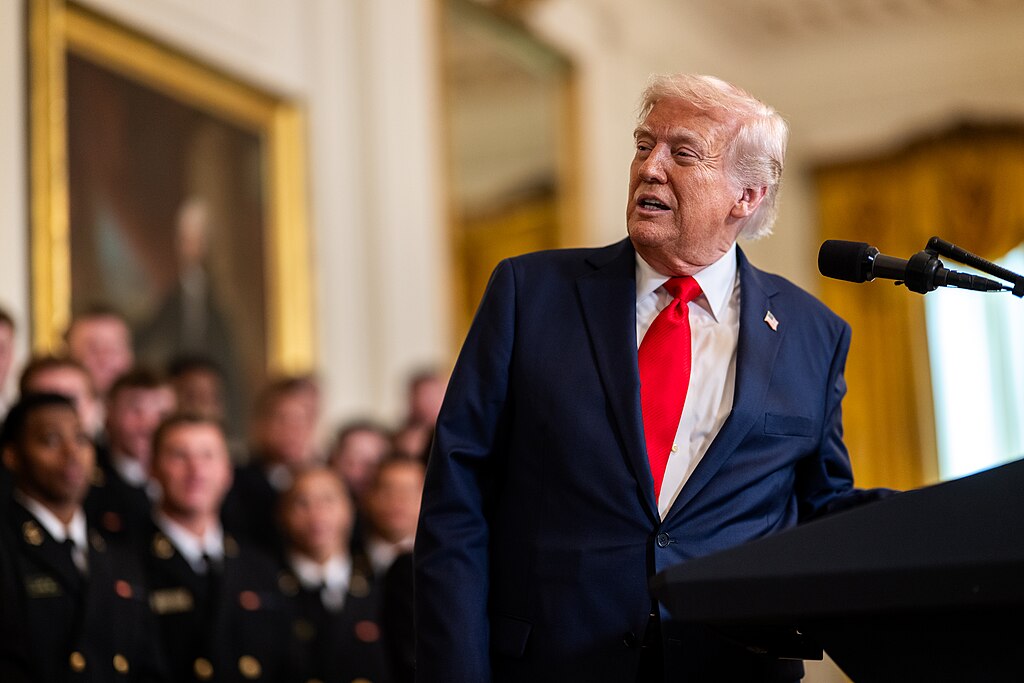
President Donald Trump is facing sharp bipartisan criticism after posting controversial remarks about actor and director Rob Reiner following the shocking deaths of Reiner and his wife, Michele Reiner. The comments, shared on Trump’s Truth Social account and later reposted by the White House’s official “Rapid Response” account on X, were widely condemned for politicizing a family tragedy and lacking empathy.
Rob Reiner, a well-known filmmaker and outspoken Democratic activist, and his wife Michele were found dead in their home on Sunday. Authorities arrested their son, Nick Reiner, on homicide charges, though police have not yet established a motive. The case has drawn national attention due to Reiner’s prominence in Hollywood and politics.
In his post, Trump suggested without evidence that Rob Reiner’s death was connected to what he described as Reiner’s “raging obsession” with opposing Trump. The president claimed Reiner was “tortured and struggling” and implied the couple died because of anger caused by Reiner’s anti-Trump views. Trump also repeated his frequent accusation that critics suffer from what he calls “Trump Derangement Syndrome.”
The remarks prompted swift backlash from across the political spectrum. Republican lawmakers Thomas Massie of Kentucky and Marjorie Taylor Greene of Georgia, both critics of Trump, publicly denounced the comments as inappropriate and disrespectful. House Speaker Mike Johnson, a key Trump ally, also distanced himself, urging the country to “appeal to our better angels” when responding to tragedy.
Democrats were equally critical, with the Democratic Party labeling Trump’s post “heartless.” David Axelrod, a former adviser to President Barack Obama, said the lack of empathy toward the Reiner family was “sad and revealing.”
When questioned in the Oval Office, Trump did not retract the post, stating only that he was not a fan of Reiner, who had previously called Trump “mentally unfit” and “the single most unqualified human being” to hold the presidency.
The controversy highlights ongoing concerns about political rhetoric, empathy in leadership, and the boundaries of discourse following acts of violence.







