


 Trump Endorses Japan’s Sanae Takaichi Ahead of Crucial Election Amid Market and China Tensions
  Netanyahu to Meet Trump in Washington as Iran Nuclear Talks Intensify
  Trump Backs Nexstar–Tegna Merger Amid Shifting U.S. Media Landscape
  Trump Allegedly Sought Airport, Penn Station Renaming in Exchange for Hudson River Tunnel Funding
  New York Legalizes Medical Aid in Dying for Terminally Ill Patients
  U.S. Announces Additional $6 Million in Humanitarian Aid to Cuba Amid Oil Sanctions and Fuel Shortages
  Iran–U.S. Nuclear Talks in Oman Face Major Hurdles Amid Rising Regional Tensions
  Trump Signs Executive Order Threatening 25% Tariffs on Countries Trading With Iran
  India–U.S. Interim Trade Pact Cuts Auto Tariffs but Leaves Tesla Out
  Jack Lang Resigns as Head of Arab World Institute Amid Epstein Controversy
  Trump Signs “America First Arms Transfer Strategy” to Prioritize U.S. Weapons Sales
  Trump Says “Very Good Talks” Underway on Russia-Ukraine War as Peace Efforts Continue
  U.S. to Begin Paying UN Dues as Financial Crisis Spurs Push for Reforms
  US Pushes Ukraine-Russia Peace Talks Before Summer Amid Escalating Attacks
  TrumpRx Website Launches to Offer Discounted Prescription Drugs for Cash-Paying Americans
  TrumpRx.gov Highlights GLP-1 Drug Discounts but Offers Limited Savings for Most Americans
  China Warns US Arms Sales to Taiwan Could Disrupt Trump’s Planned Visit


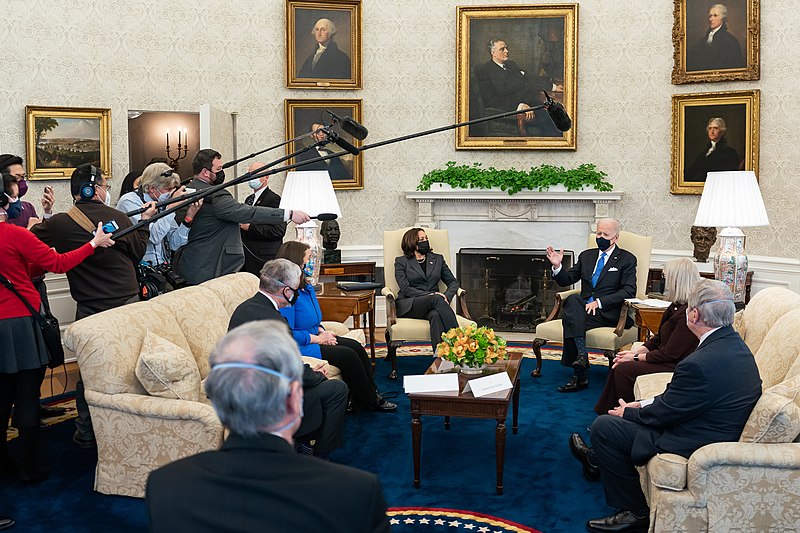
President Joe Biden is moving towards his next major legislative attempt following his successful COVID-19 relief proposal. This week, Biden unveiled the details of his massive $2 trillion infrastructure proposal.
In his visit to Pittsburgh, Pennsylvania, Biden unveiled his massive infrastructure plan called the “American Jobs Plan,” with a slightly higher price tag than the American Rescue Plan at $2 trillion. The entire proposal moves the US toward having a clean energy economy.
Most of this infrastructure plan would involve roads, bridges, and public transportation, but it also includes the expansion of long-term care for the elderly through Medicaid, a ban on exclusionary zoning, as well as investing in community-centered violence reduction programs, to name a few.
The $2 trillion in funds needed in this plan would be spaced out over eight years, which would be one percent of the US’s GDP per year over that time.
“It’s time to build our economy from the bottom up and the middle out,” said Biden in the union training center where he made the announcement, where he also stressed the need for more better-paying and union jobs. “Wall Street didn’t build this country; you, the middle class, built this country. And unions built the middle class.”
$621 billion from the $2 trillion would be allocated for infrastructure spending to rebuild the country’s bridges, ports, and rail systems. $300 billion would be spent on manufacturing, while $213 billion would be for affordable housing and an overall $380 billion for research and development that would modernize the country’s electricity grids and the installation of high-speed broadband. $400 billion would be allocated for home and community-based health and elderly care.
While most Americans have benefited from the $1.9 trillion COVID-19 relief plan that was passed several weeks ago, attorneys general from 13 states have filed a lawsuit against the Biden administration over a provision in the relief plan that prevents states from using relief money to offset tax cuts.
The lawsuit was filed in the district court of Alabama this week, asking judges to scrap the said provision. The restriction laid out on the bill could last until 2024.













