


 US Pushes Ukraine-Russia Peace Talks Before Summer Amid Escalating Attacks
  South Korea Assures U.S. on Trade Deal Commitments Amid Tariff Concerns
  Trump Allegedly Sought Airport, Penn Station Renaming in Exchange for Hudson River Tunnel Funding
  Norway Opens Corruption Probe Into Former PM and Nobel Committee Chair Thorbjoern Jagland Over Epstein Links
  Trump Allows Commercial Fishing in Protected New England Waters
  U.S.-India Trade Framework Signals Major Shift in Tariffs, Energy, and Supply Chains
  Trump Signs “America First Arms Transfer Strategy” to Prioritize U.S. Weapons Sales
  Jack Lang Resigns as Head of Arab World Institute Amid Epstein Controversy
  TrumpRx Website Launches to Offer Discounted Prescription Drugs for Cash-Paying Americans
  Missouri Judge Dismisses Lawsuit Challenging Starbucks’ Diversity and Inclusion Policies
  India–U.S. Interim Trade Pact Cuts Auto Tariffs but Leaves Tesla Out
  U.S. Announces Additional $6 Million in Humanitarian Aid to Cuba Amid Oil Sanctions and Fuel Shortages
  Japan Election 2026: Sanae Takaichi Poised for Landslide Win Despite Record Snowfall
  U.S. to Begin Paying UN Dues as Financial Crisis Spurs Push for Reforms
  Netanyahu to Meet Trump in Washington as Iran Nuclear Talks Intensify
  Trump Signs Executive Order Threatening 25% Tariffs on Countries Trading With Iran
  New York Legalizes Medical Aid in Dying for Terminally Ill Patients


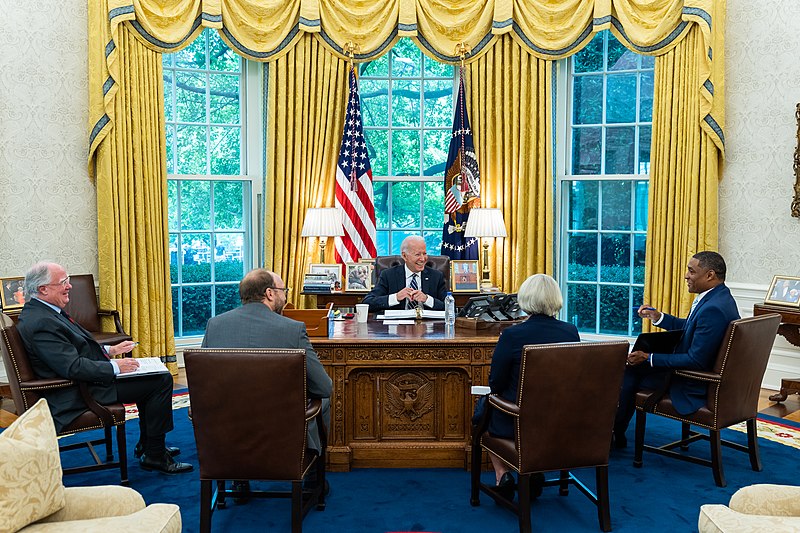
Another threat that the US is facing is on a cyber scale as the country has been subject to ransomware attacks for some time. This week, US President Joe Biden met with tech CEOs to discuss cybersecurity following the ransomware attacks.
Biden and some Cabinet officials hosted executives of tech companies such as Apple, Google, Amazon, and Microsoft and other finance and utility companies Wednesday. The Cabinet officials present were DHS Secretary Alejandro Mayorkas, Commerce Secretary Gina Raimondo, Energy Secretary Jennifer Granholm, and other cybersecurity experts.
The meeting centered on cybersecurity following months of cyberattacks on various sectors, including a major oil pipeline, the Microsoft email exchange system as well as a meat-packing company. Following the discussions, the executives of the tech companies announced that they would be making investments and carrying out training programs in cybersecurity.
Microsoft is planning to make a $20 billion investment in cybersecurity efforts that will span five years. The company will also invest $150 million in assisting government agencies in upgrading protections in cyberspace.
Amazon released a statement saying that it will make its employee cybersecurity training available to the public. Google said that it would invest $10 billion in a span of five years to “secure the software supply chain.”
Analysts have called for Biden to impose sanctions on Russia and other countries over harboring cybercriminals. Other analysts, however, have suggested that more scrutiny be placed on cryptocurrency -- the form of payment often used by hackers and ransomware groups.
Meanwhile, a report by the New York Times revealed that then- Israeli Prime Minister Benjamin Netanyahu reportedly “scaled back” the intelligence cooperation of Israel when Biden took office in January. The US has relied on intelligence from Israel regarding the growing nuclear program of Iran, following Tehran’s crackdown on the US spy network in the country.
Anonymous US and Israeli officials were cited as saying that following the end of Donald Trump’s term as president, Jerusalem withheld information from the incoming Biden administration in order to prevent Washington from stopping covert military operations that sought to obstruct Iran’s nuclear program.
This includes the strike on Iran’s Natanz nuclear facility back in April.













