


 UK Sanctions 24 Russian-Linked Targets Over Cyberattacks and Election Interference
  ICC Says Darfur War Crimes Probe Reaches Breakthrough in Sudan Investigation
  Apple Challenges India Antitrust Probe, Says CCI Copied Rivals’ Claims in App Store Case
  Reuters/Ipsos Poll: Most Americans Expect U.S.-Iran War to Be Prolonged
  EU to Propose New Rules Limiting Children's Access to Social Media
  Iranian Missile Strike on UAE Oil Tankers Kills Indian Crew Member in Strait of Hormuz
  Trump Tells Congress Iran Hostilities Restarted, Citing New 60-Day War Powers Window
  Brazil Court Bars Flavio Bolsonaro From Visiting Jair Bolsonaro Ahead of Election
  Trump Administration Sues Maryland Over Alleged Sanctuary Immigration Policies
  Apple Sues OpenAI, Former Employees Over Alleged Trade Secret Theft
  Republican Senator Lindsey Graham Dies at 71, Leaving South Carolina Senate Seat Vacant
  Paramount-Warner Bros. Discovery Merger Faces Lawsuit From 12 States
  Trinidad Businessman Dominic Hadeed Appeals Detention Over Alleged Assassination Plot
  Trump Administration Bars U.S. Travelers From Congo Flights Amid Ebola Outbreak
  US Appeals Court Limits ICE Detention Without Bond Hearings After 90 Days
  DOJ Seeks Dismissal of Fraud Charges Against Gautam Adani in U.S. Court


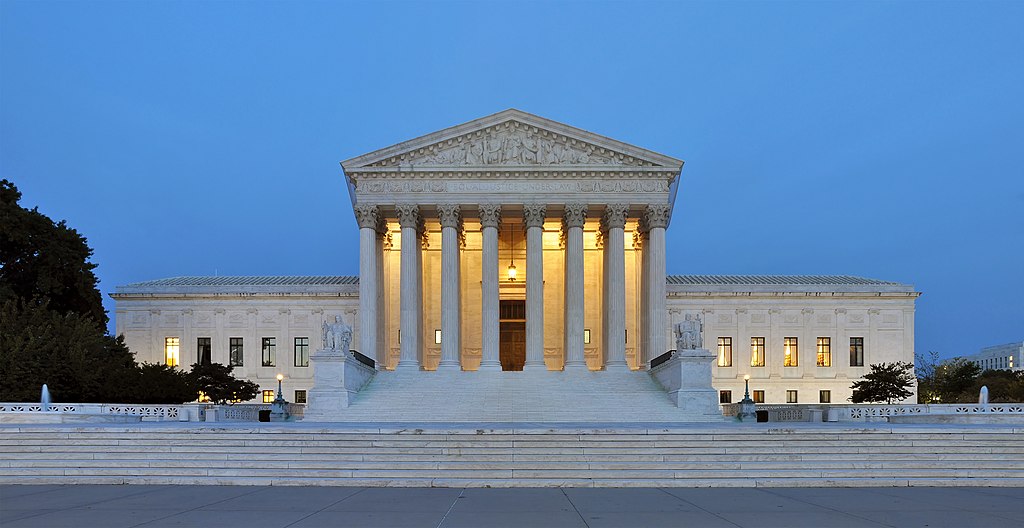
The Trump administration faced a challenging day at the U.S. Supreme Court as justices questioned the legality of President Donald Trump’s sweeping tariffs. Legal analysts noted that Justice Neil Gorsuch, a conservative often aligned with Trump, delivered some of the toughest inquiries, signaling skepticism about the administration’s expansive interpretation of presidential power.
At issue is whether the 1977 International Emergency Economic Powers Act (IEEPA) grants the president authority to impose tariffs under the guise of a national emergency. While lower courts have ruled against Trump’s interpretation, they allowed the tariffs to remain until the Supreme Court’s final decision. Gorsuch pressed Solicitor General D. John Sauer, questioning whether such power could let Congress “abdicate all responsibility” for regulating foreign commerce or even declaring war—an alarming possibility that underscored the debate over executive overreach.
Chief Justice John Roberts also voiced concern, reminding that imposing tariffs effectively taxes Americans—a power rooted in Congress. Justice Amy Coney Barrett, another Trump appointee, similarly showed doubt about the administration’s reading of IEEPA. Gorsuch’s remarks, however, drew the most attention as he warned that once Congress cedes power to the president, “it’s a one-way ratchet” eroding legislative authority.
Observers said Gorsuch’s pointed questions revealed the weaknesses in the administration’s defense. Todd N. Tucker of the Roosevelt Institute noted that even the Justice Department conceded that such broad presidential power could allow future administrations to impose sweeping economic controls under other emergencies, such as climate change.
Gorsuch’s critical stance surprised many, given his conservative record and appointment by Trump. Yet it aligns with his history of challenging executive overreach, as seen in previous rulings that curbed vague immigration laws and expanded civil rights protections. Analysts say this case may define how far the Supreme Court is willing to let presidential authority stretch in Trump’s second term.







