


 SoftwareONE Posts 22.5% Revenue Surge in 2025 on Crayon Acquisition
  CTOC Adds 3,000 Doctors, 500 Hospitals Ahead of Liquidity Push
  Bank of America's $72.5M Epstein Settlement: What You Need to Know
  Oil Prices Hold Near Multi-Year Highs Amid Iran Conflict and Hormuz Supply Fears
  Microsoft Eyes $7B Texas Energy Deal to Power AI Data Centers
  Nomura Upgrades PDD Holdings to Buy, Calls Stock Too Cheap to Ignore
  Gold Prices Surge as U.S.-Iran Ceasefire Talks Spark Market Optimism
  Trump Administration Plans 100% Tariffs on Pharmaceutical Imports
  Federal Judge Blocks Pentagon's Blacklisting of AI Company Anthropic
  Japan's Business Confidence Rises Despite Iran War Uncertainty, BOJ Rate Hike Expected
  Brazil Meat Exports Weather Iran War Disruptions With Rerouted Shipments
  Cybersecurity Stocks Tumble After Anthropic's Claude Mythos AI Leak Sparks Market Fears
  Trump Claims Iran Sought Ceasefire as Middle East War Escalates
  U.S. Stock Futures Steady Amid Iran Ceasefire Talks and Trump Address
  Asian Stocks Drop as Trump Signals Iran War Escalation
  RBC Capital: European Medtech Firms Show Minimal Middle East and Energy Risk Exposure
  Eli Lilly and Insilico Medicine Forge $2.75 Billion AI-Driven Drug Discovery Deal


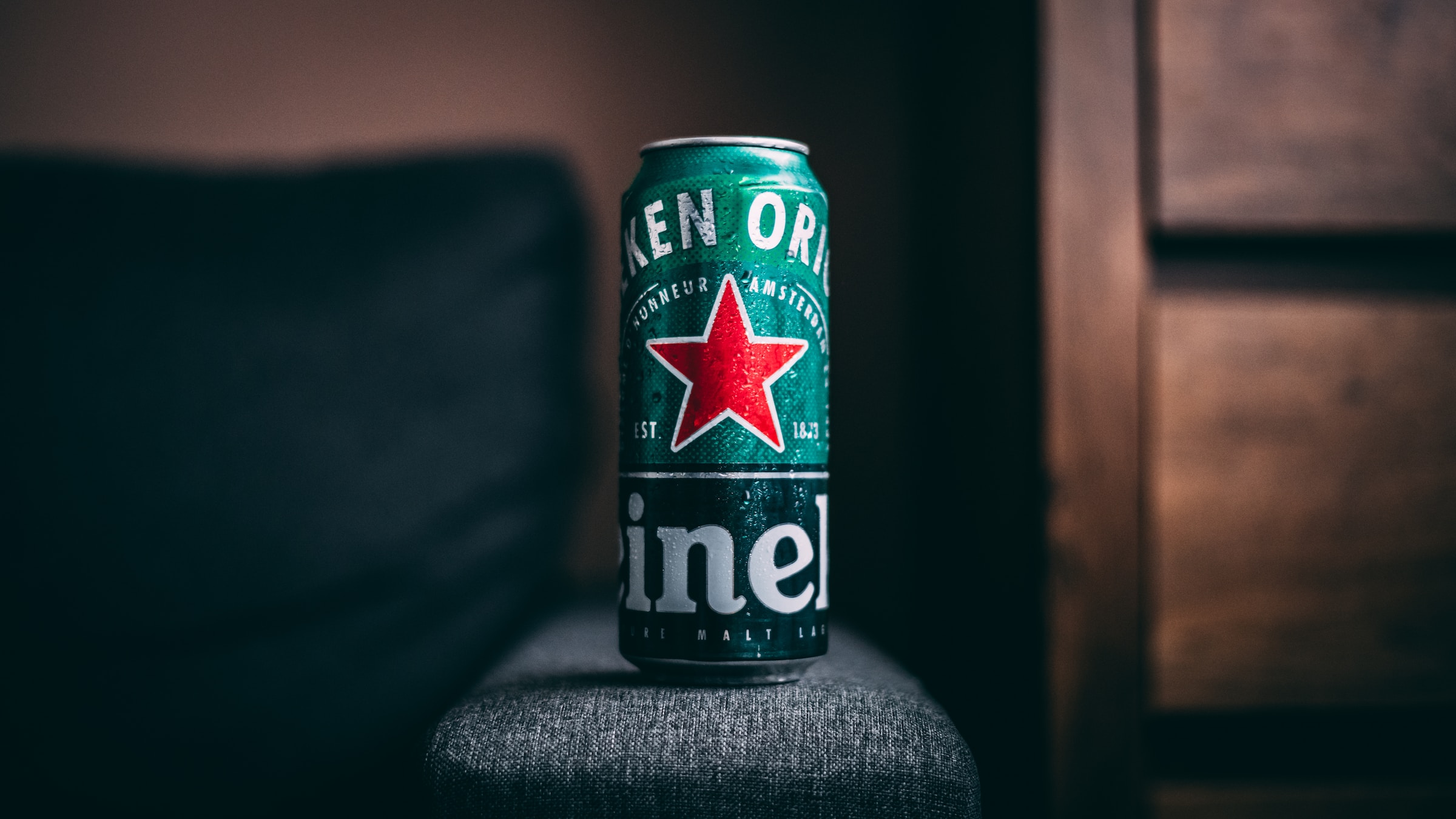
Amid escalating Moscow regulations post-Ukraine operation, foreign companies are grappling with surging costs and added complexities when attempting to leave the Russian market, resulting in over $80 billion in losses.
Moscow has been progressively tightening regulations surrounding company exits in response to Western firms leaving the country after an alleged "special military operation" in Ukraine in February 2022. Executives have voiced concerns over the increasing complexity of navigating these rules.
Based on company filings and statements, a preliminary analysis by Reuters reveals that foreign companies have suffered losses of over $80 billion from their Russian operations due to write-downs and lost revenue. On Friday, Dutch brewer Heineken announced the completion of the sale of its Russian operations to Russia's Arnest Group for a nominal one euro, effectively marking its exit from the Russian market.
Moscow has incrementally implemented additional hurdles for companies seeking to leave. The threat of nationalization also looms, particularly following the seizure of assets belonging to Danish brewer Carlsberg and French yogurt maker Danone in July.
Several companies, including telecoms group Veon, Nasdaq-listed tech company Yandex, and Italian lender Intesa, are negotiating exit plans. Before final approvals, Moscow already demands a 50% discount on all foreign deals through valuations conducted by consultants appointed by the Russian government. Additionally, a contribution of at least 10% of the sale price to the Russian budget is required.
However, sources familiar with the exit process indicate that certain deals face additional demands for discounts before securing government approval. These sources chose to remain anonymous due to the confidential nature of the information.
In response to queries, the Russian finance ministry stated that it does not compel the reduction of final sale prices, but adjustments to valuations may occur during the sales process.
The economy ministry and central bank also evaluate businesses and reserve the right to make "corrections" to the sale price if necessary. Moreover, deals involving companies from countries classified as "unfriendly" require approval from a government commission overseeing foreign investments.
A financial market source working with firms seeking to exit Russia revealed that the commission is returning some deals, suggesting that the valuation should be 20-30% lower. As companies grapple with the challenge of leaving Russia, the government's insistence on larger discounts adds further complexity to their exit strategies.
Photo: Marko Blažević/Unsplash







