


 Japan Election 2026: Sanae Takaichi Poised for Landslide Win Despite Record Snowfall
  Trump Lifts 25% Tariff on Indian Goods in Strategic U.S.–India Trade and Energy Deal
  TrumpRx Website Launches to Offer Discounted Prescription Drugs for Cash-Paying Americans
  Trump Says “Very Good Talks” Underway on Russia-Ukraine War as Peace Efforts Continue
  Netanyahu to Meet Trump in Washington as Iran Nuclear Talks Intensify
  US Pushes Ukraine-Russia Peace Talks Before Summer Amid Escalating Attacks
  India–U.S. Interim Trade Pact Cuts Auto Tariffs but Leaves Tesla Out
  Trump Backs Nexstar–Tegna Merger Amid Shifting U.S. Media Landscape
  Trump Signs “America First Arms Transfer Strategy” to Prioritize U.S. Weapons Sales
  Federal Judge Restores Funding for Gateway Rail Tunnel Project
  TrumpRx.gov Highlights GLP-1 Drug Discounts but Offers Limited Savings for Most Americans
  U.S. to Begin Paying UN Dues as Financial Crisis Spurs Push for Reforms
  U.S. Announces Additional $6 Million in Humanitarian Aid to Cuba Amid Oil Sanctions and Fuel Shortages
  Missouri Judge Dismisses Lawsuit Challenging Starbucks’ Diversity and Inclusion Policies
  China Warns US Arms Sales to Taiwan Could Disrupt Trump’s Planned Visit
  Trump Allows Commercial Fishing in Protected New England Waters
  Iran–U.S. Nuclear Talks in Oman Face Major Hurdles Amid Rising Regional Tensions


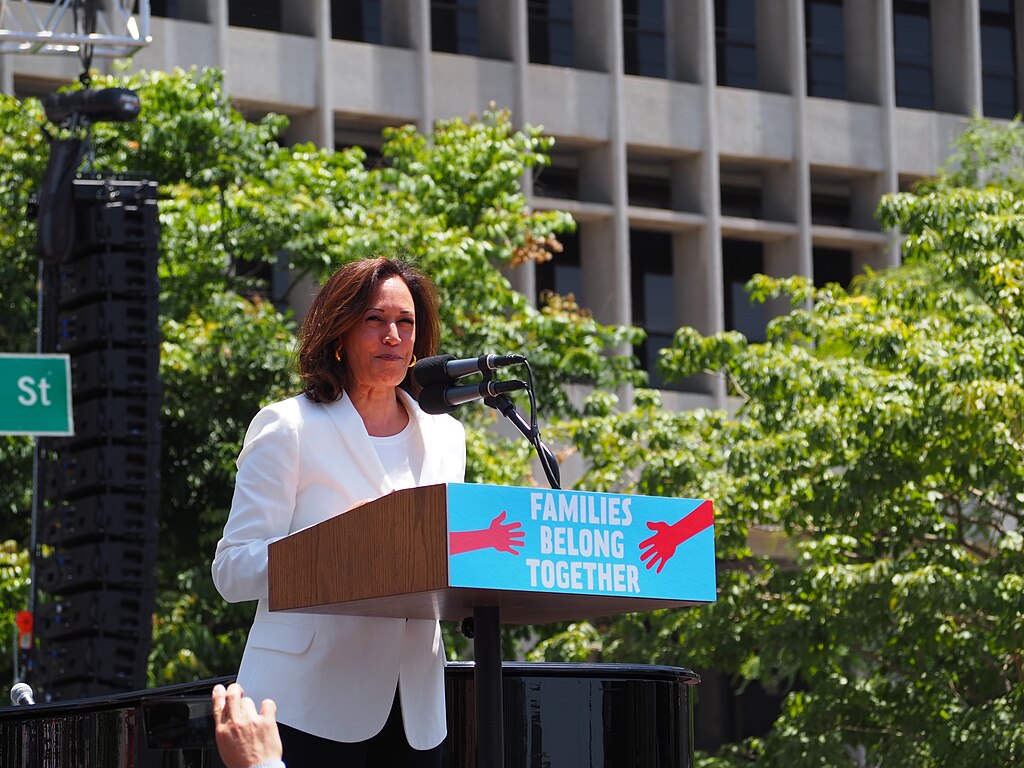
Vice President Kamala Harris’s lead in New York City has dropped to unprecedented levels, showing only a 66%-27% edge over her Republican contender, according to a new NYT/Siena poll. This startling statistic represents the lowest Democratic performance in the city since 1988, when Michael Dukakis ran against then-Vice President George H.W. Bush, raising questions about the Democratic Party’s grasp on one of its most reliable urban strongholds.
Traditionally a Democratic fortress, New York City’s enthusiasm for Harris appears diminished, with the poll reflecting a notable decline in support among younger voters, independents, and even some historically Democratic demographics. Harris’s 66% support is far from the commanding margins that Democrats like Barack Obama and Hillary Clinton enjoyed in the city, both of whom held well over 80% in various polls during their campaigns. The Democratic Party’s internal strategists have taken note, concerned that a narrowing margin in New York City signals potential vulnerabilities that could impact the national stage.
Analysts are scrambling to understand the reasons behind this unexpected shift. “This is a wake-up call,” commented Dr. Lena Montgomery, a political science professor at New York University. “New York City has always been a cornerstone of Democratic campaigns, and these numbers indicate waning enthusiasm and a possibly significant lack of confidence in Harris’s platform.”
Some insiders point to Harris’s handling of national issues, including crime and immigration, both of which hold a particular resonance in urban centers. While Harris has highlighted progressive stances on criminal justice reform, some NYC voters express concern over rising crime rates and a perception of reduced public safety. Furthermore, her stances on border policies have stirred mixed reactions in New York, a city with a large immigrant population that is increasingly concerned about federal immigration approaches.
The low polling numbers also reflect a changing demographic in New York City, where younger voters and middle-income families are facing affordability issues. “It’s not just about Harris as an individual,” added Dr. Montgomery. “It’s about what her candidacy represents and whether it speaks to the concerns of modern New Yorkers.”
Meanwhile, Republicans see this dip as an opportunity to make inroads in the traditionally Democratic city. GOP strategists have already seized on Harris’s lagging numbers to push forward messaging that portrays their party as a viable alternative, even in one of the bluest cities in the country. “New Yorkers are tired of the same old promises that go unfulfilled,” claimed one Republican strategist. “They want solutions, not slogans.”
If Harris’s campaign doesn’t address this decline in enthusiasm, some fear the issue could ripple outward to other urban areas where voters are growing increasingly concerned about similar issues. A narrow win in New York City would undermine the Democratic Party’s historic image as the clear choice for urban centers, potentially impacting their national campaign strategy.
The question now becomes whether Harris and her team will be able to rally and regain the confidence of New Yorkers. The city’s electorate has, time and again, proven to be loyal to Democratic candidates, but these numbers suggest a shift that could spell trouble if left unaddressed. As the election season continues, all eyes will be on whether Harris can turn these numbers around—or if New York City’s shifting landscape indicates broader challenges for the Democratic Party across the country.













