


 Iran Strikes Oil Tanker Near Dubai Amid U.S. Threats and Ongoing Middle East Conflict
  Oil Prices Dip as Trump Eyes Iran De-escalation, Hormuz Closure Persists
  Bank of Korea Nominee Shin Hyun-song Calls for Flexible Monetary Policy Amid Iran War Risks
  Asian Currencies Hold Steady Amid U.S.-Israel-Iran Tensions and BOJ Signals
  Canada's Economy Grows Modestly in January 2025, Driven by Energy and Construction
  China Manufacturing PMI Hits 12-Month High Amid Energy Price Concerns
  Japan Business Sentiment Rises as Iran War Fuels Inflation Fears, BOJ Rate Hike Looms
  Oil Prices Hold Near Multi-Year Highs Amid Iran Conflict and Hormuz Supply Fears
  WTO Ministerial Collapse Leaves Global Digital Trade Rules in Limbo
  Aluminum Prices Surge Toward Four-Year Highs After Gulf Smelter Strikes
  South Korea's $17.3 Billion Emergency Budget Targets Oil Price Surge
  Gold Prices Rebound in Asia Amid Iran War Ceasefire Hopes
  Gold Prices Rebound But Head for Worst Month Since 2008 Amid Iran War Uncertainty
  Oil Prices Climb as Middle East Conflict Keeps Supply Risks Elevated
  Australia Bans Card Payment Surcharges Starting October 2025
  Asian Stocks Surge on Trump's Iran War Comments and Dip-Buying
  U.S. Dollar Posts Strong Monthly Gain Amid Middle East Conflict Despite Late Dip


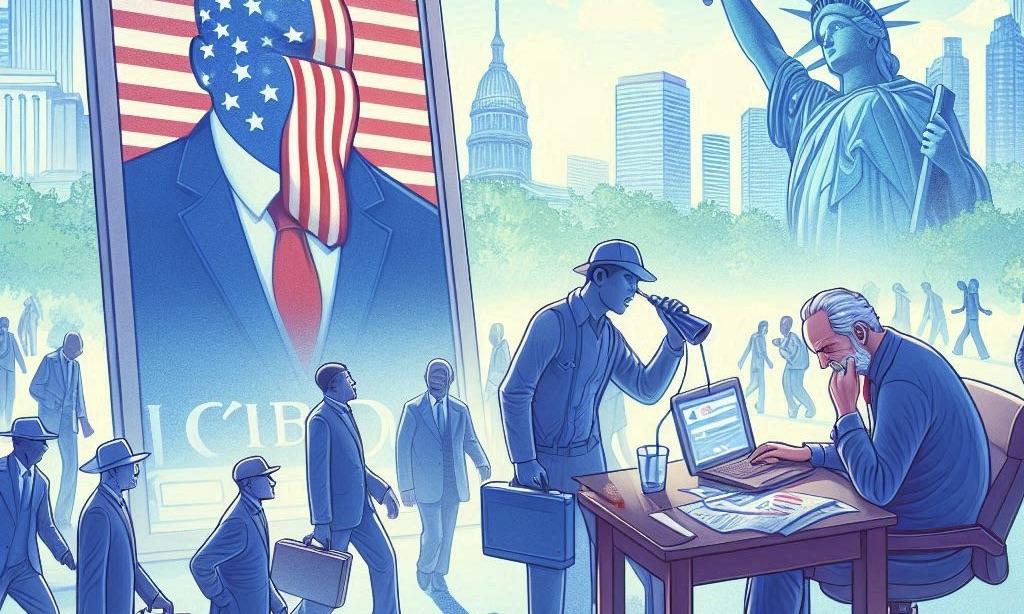
New labor figures from the Bureau of Labor Statistics (BLS) indicate that the labor market began to gradually improve in the month of June, with the addition of 206,000 jobs to the economy of the United States in the previous month.
Economists had anticipated that the number of new jobs would be close to what it actually was for the month. When compared to May, when the economy added a revised 218,000 jobs, these numbers indicate a minor slowdown in the expansion of employment.
The unemployment rate in June was 4.1%, which is an increase of 0.1% compared to May and marks the first time in more than two years that the rate has been higher than 4% from the previous month.
According to data that was made public earlier this week, the job market appeared to be beginning to cool down. According to the payroll company ADP, private firms added 150,000 jobs in June, which is a decrease from the 157,000 jobs available in May.
Losses in employment appear to be increasing as well. There were 48,786 job cutbacks recorded by executive outplacement agency Challenger, Gray, and Christmas in June. This number is lower than the 63,816 job cuts that were reported in May, but it is still an almost 20% rise when compared to June of the previous year.
Wall Street, which is eager to see interest rates drop, and Washington, where the strength of hiring has been one of the few bright spots for the Biden administration, which is struggling with poor polling on its economic policies, have been closely watching the jobs figures, which are released on the first Friday of every month. Wall Street is eager to see interest rates drop.
In addition to the data for inflation, which are released later in the month, the Federal Reserve considers the figures for jobs to decide whether or not the economy is beginning to cool and whether or not it is ready for interest rates to be lowered.
Last month, officials at the Federal Reserve decided to maintain interest rates at a level that has been at 5.3% for almost a year, which is a two-decade high. Attempts have been made by the Federal Reserve to reduce inflation down to 2%. It was 3.4% in May, which was lower than its highest of 9.1% in June 2022, but it was still greater than the goal rate that the Federal Reserve had set for inflation.
The minutes from the Federal Reserve's most recent meeting were made public on Wednesday, and they revealed that the central bank was holding off on making any cuts until it received "additional favorable data."
However, in order to bring inflation down, the Federal Reserve must ensure that the labor market is not chilled to an excessive degree. The chair of the Federal Reserve, Jerome Powell, stated earlier this week at an event that the economy has "made a lot of progress" and has "seen a pretty substantial move toward better balance" in the job market. Powell made these statements before the event.
“We want to be more confident that inflation is moving sustainably down. We want to understand that the levels that we’re seeing are a true reading on what is actually happening with underlying inflation,” Powell said.
On July 11, estimates of inflation for the month of June will be made public. The Federal Reserve will hold its next meeting on July 30 and 31.
Photo: Microsoft Bing







