


 U.S. to Begin Paying UN Dues as Financial Crisis Spurs Push for Reforms
  TrumpRx Website Launches to Offer Discounted Prescription Drugs for Cash-Paying Americans
  Iran–U.S. Nuclear Talks in Oman Face Major Hurdles Amid Rising Regional Tensions
  India–U.S. Interim Trade Pact Cuts Auto Tariffs but Leaves Tesla Out
  Netanyahu to Meet Trump in Washington as Iran Nuclear Talks Intensify
  Norway Opens Corruption Probe Into Former PM and Nobel Committee Chair Thorbjoern Jagland Over Epstein Links
  Trump Allows Commercial Fishing in Protected New England Waters
  US Pushes Ukraine-Russia Peace Talks Before Summer Amid Escalating Attacks
  Trump Allegedly Sought Airport, Penn Station Renaming in Exchange for Hudson River Tunnel Funding
  Missouri Judge Dismisses Lawsuit Challenging Starbucks’ Diversity and Inclusion Policies
  Trump Endorses Japan’s Sanae Takaichi Ahead of Crucial Election Amid Market and China Tensions
  Nighttime Shelling Causes Serious Damage in Russia’s Belgorod Region Near Ukraine Border
  New York Legalizes Medical Aid in Dying for Terminally Ill Patients
  Ohio Man Indicted for Alleged Threat Against Vice President JD Vance, Faces Additional Federal Charges
  Trump’s Inflation Claims Clash With Voters’ Cost-of-Living Reality
  Trump Signs “America First Arms Transfer Strategy” to Prioritize U.S. Weapons Sales
  Trump Signs Executive Order Threatening 25% Tariffs on Countries Trading With Iran


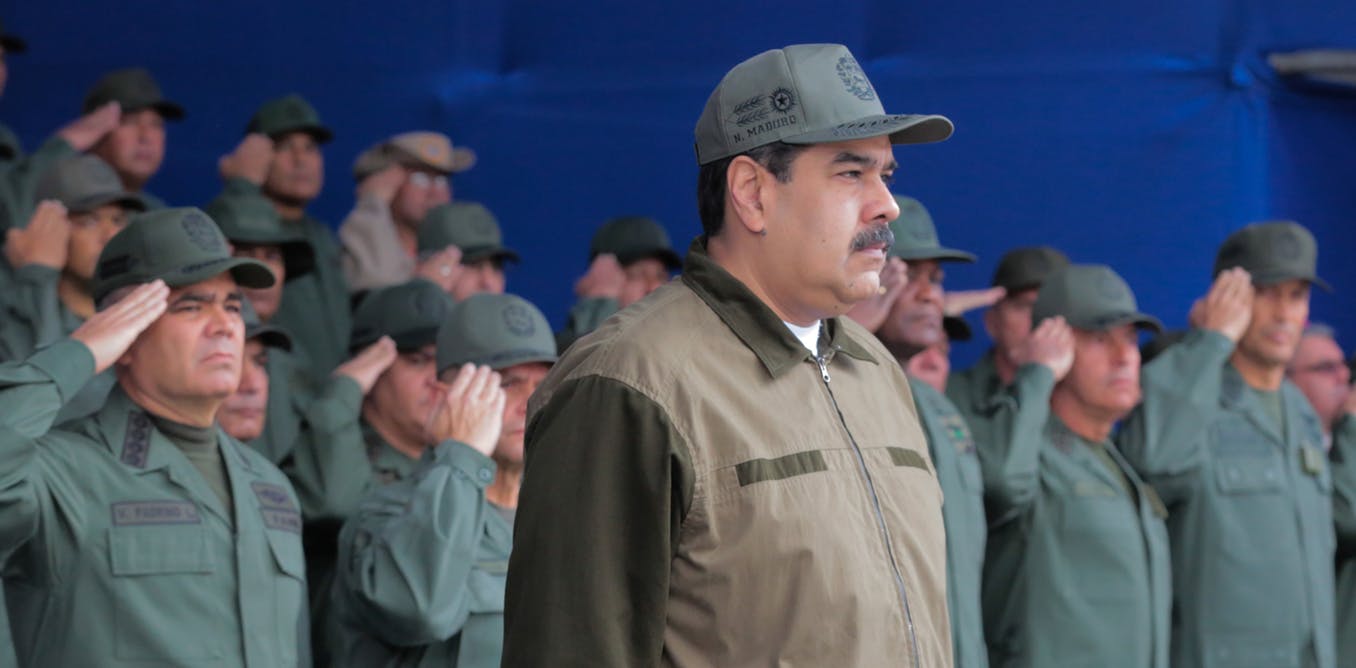
A dramatic shift in Venezuela’s political landscape unfolded after a U.S. raid led to the capture of former President Nicolas Maduro, triggering heightened military readiness and a leadership transition in Caracas. Venezuelan Defense Minister General Vladimir Padrino confirmed in a televised address on Sunday morning that a significant portion of Maduro’s security team was killed during the operation, underscoring the intensity of the raid and its immediate consequences.
While Padrino did not disclose an exact number of casualties, he emphasized that the losses were substantial and occurred during what authorities described as a coordinated U.S. military action. The announcement followed hours of uncertainty and speculation after reports surfaced late Saturday regarding Maduro’s detention, an event that has quickly become a focal point of global attention and regional concern.
In his statement, the defense minister expressed full support for Vice President Delcy Rodriguez, who has been declared interim president in the wake of Maduro’s capture. Padrino said the Venezuelan armed forces recognize Rodriguez’s authority and are acting under constitutional principles to maintain order, continuity of governance, and national stability during the transition period.
According to the defense ministry, the military has been activated nationwide to safeguard Venezuela’s sovereignty, protect strategic infrastructure, and prevent unrest. Troops have reportedly been deployed to key locations, including borders, major cities, and government facilities, as officials work to reassure the public and international observers that the situation remains under control.
The capture of Nicolas Maduro represents a major turning point for Venezuela, a country already grappling with years of political turmoil, economic crisis, and international pressure. Government officials framed the military’s response as a defensive measure aimed at preserving independence and deterring any further foreign intervention.
As developments continue to unfold, Venezuelans and the global community are closely monitoring how the interim leadership under Delcy Rodriguez will navigate the aftermath of the U.S. raid, address security concerns, and chart the nation’s next steps in a rapidly evolving political environment.













