


 Trump Administration Sues Maryland Over Alleged Sanctuary Immigration Policies
  US-Iran Strikes Escalate as Strait of Hormuz Crisis Pushes Oil Prices Higher
  ICC Says Darfur War Crimes Probe Reaches Breakthrough in Sudan Investigation
  US Supreme Court Strikes Down Hawaii Gun Carry Law on Private Property
  Minnesota Wildfires Spread as Governor Tim Walz Deploys National Guard
  Trump to Deliver National Address on Declassified 2020 Election Intelligence
  Fortescue Faces Class Action Over Sexual Harassment Claims at Australian Mining Sites
  Australia Sues Amazon Over Prime Video Ads and Subscription Terms
  Trump Administration Hands Over Key Evidence in Minnesota Immigration Shooting Investigations
  EU Weighs New Trade Restrictions on Israeli West Bank Settlements
  Republican Senator Lindsey Graham Dies at 71, Leaving South Carolina Senate Seat Vacant
  Ann Widdecombe Murder: Police Arrest Second Suspect, Rule Out Terrorism Motive
  Reuters/Ipsos Poll: Most Americans Expect U.S.-Iran War to Be Prolonged
  Apple Sues OpenAI, Former Employees Over Alleged Trade Secret Theft


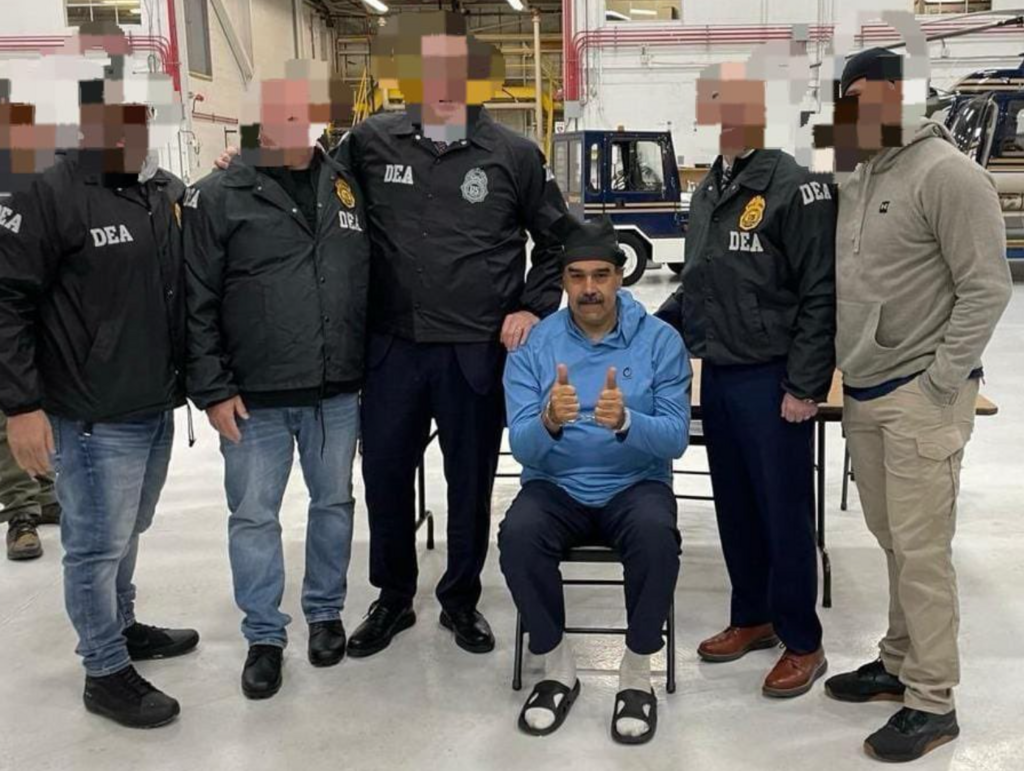
Ousted Venezuelan President Nicolás Maduro appeared in a U.S. federal court Thursday, facing serious criminal charges that include narcoterrorism — a rarely prosecuted statute with a complicated legal history. Maduro, 63, was captured in Caracas by U.S. special forces on January 3 and pleaded not guilty to all charges two days later.
The narcoterrorism law, enacted in 2006, was designed to target drug trafficking operations financially linked to terrorist organizations. However, a Reuters review of federal court records reveals only four trial convictions under the statute — and two of those were later overturned due to witness credibility issues. This mixed track record signals a significant legal hurdle for prosecutors who must convincingly prove that Maduro knowingly connected drug activity to terrorism-related funding.
Legal experts emphasize that the statute's most demanding requirement is establishing the defendant's awareness of a terrorism connection — not merely proving drug involvement. Prosecutors do not need to show terrorism was the primary motive, only that Maduro knew trafficked drugs financially benefited a designated terrorist group.
Maduro stands accused of orchestrating a wide-reaching conspiracy in which Venezuelan government officials allegedly collaborated with the Revolutionary Armed Forces of Colombia (FARC) — a U.S.-designated terrorist organization from 1997 to 2021 — to move cocaine through Venezuela. He also faces charges of cocaine importation conspiracy, among others. Maduro has consistently denied all accusations, calling them part of an imperialist campaign against Venezuela.
A key factor in the government's case may be testimony from cooperating witnesses, including former Venezuelan General Cliver Alcalá, who has expressed willingness to testify but disputes certain conditions set by prosecutors. Another former general, Hugo Carvajal, is awaiting sentencing with no confirmed cooperation agreement. Narcoterrorism convictions carry a mandatory minimum of 20 years, with the possibility of life imprisonment.







