


 Samsung Chairman Lee Jae-yong Expected to Meet Nvidia CEO Jensen Huang on AI and Chip Partnership
  Supreme Court Blocks 5th Circuit Ruling on Abortion Pill Access
  Venezuela Earthquake Health Risks Rise as Disease Monitoring Intensifies
  Yaskawa Electric Shares Slide as Weak Profit Overshadows Strong AI Demand
  Alcohol is one of the most dangerous drugs, yet its presence is ubiquitous in social settings and celebrations
  Nippon Paint Reportedly Offers Up to €7.5 Billion for Akzo Nobel Decorative Paints Business
  Levi Strauss Raises 2026 Outlook After Q2 Earnings Beat, Shares Drop Despite Strong Results
  Trump Reportedly Approves Plan to Remove FDA Commissioner Marty Makary Amid Growing Controversies
  AstraZeneca Shares Sink After Wainua Trial Misses Key Heart Disease Goal
  CDC Monitors U.S. Travelers After Hantavirus Outbreak on Luxury Cruise Ship
  SK Hynix Shares Drop After Strong Nasdaq Debut Despite $26 Billion ADR Listing
  Australia Flags Child Safety Gaps at Apple, Meta, Google Over Online Sexual Extortion
  NIH Infectious Disease Leadership Shake-Up Raises Concerns Amid Ebola, Hantavirus Outbreaks
  Apple Sues OpenAI, Former Employees Over Alleged Trade Secret Theft
  OpenAI Executive Fidji Simo to Step Down Amid Health Challenges Ahead of IPO


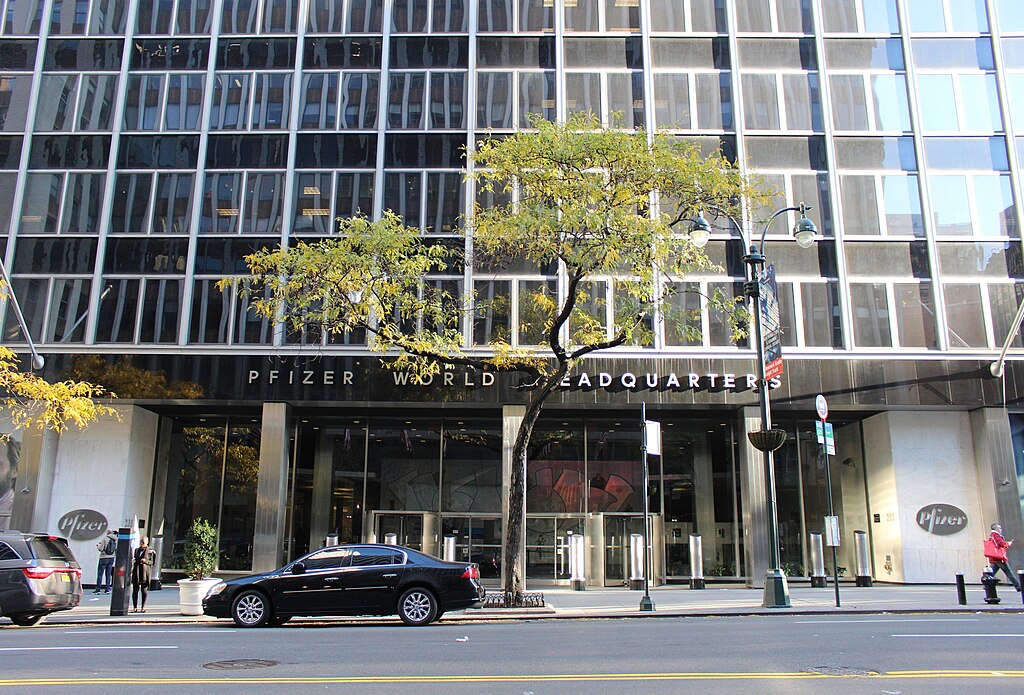
Pharmaceutical giants are pivoting toward direct-to-consumer sales and offering steep drug discounts in the United States after President Donald Trump called for lower prescription prices and reduced reliance on “middlemen” such as insurers and pharmacy benefit managers. The move comes ahead of the Trump administration’s planned TrumpRx.gov launch in early 2026 — a federal website that will feature reduced drug prices.
U.S. patients currently pay nearly three times more for medicines than those in other developed countries. Following Trump’s July letters to 17 major firms demanding price cuts, several have responded with new pricing and sales models.
AbbVie announced it will launch its ovarian cancer drug Elahere in the UK at the same U.S. price, aligning with Trump’s “most-favored-nation” pricing policy. AstraZeneca struck a deal with the administration to sell select drugs at steep discounts through Medicaid and TrumpRx.gov, with up to 80% price reductions on some medicines. Bristol-Myers Squibb will cut prices on its blood clot drug Eliquis and plaque psoriasis treatment Sotyktu.
Eli Lilly began shipping high-dose Zepbound directly to consumers, while Novo Nordisk partnered with telehealth providers like GoodRx, Hims & Hers, and Ro to offer Ozempic and Wegovy to cash-paying patients. Pfizer also agreed to lower Medicaid prices to match global rates and will invest $70 billion in U.S. R&D in return for tariff relief.
Sanofi introduced a $35 monthly insulin cap for all U.S. patients, and Roche is exploring direct sales to consumers. Women’s telehealth platform Wisp expanded to offer weight-loss drugs from Eli Lilly and Novo Nordisk with home delivery. Zealand Pharma is also weighing a similar model for its experimental obesity treatment.
Industry group PhRMA plans to launch AmericasMedicines.com in January, helping patients buy directly from manufacturers — signaling a major shift toward affordability and accessibility in the U.S. drug market.







