


 Venezuela Appoints Felix Plasencia to Lead Foreign Relations and Trade
  UN Says Hamas Disrupted Gaza Aid Distribution, Group Denies Allegations
  Iran's Supreme Leader Vows Revenge as Trump Threatens Massive U.S. Military Response
  EU Weighs New Trade Restrictions on Israeli West Bank Settlements
  DOJ Subpoenas New York Times Journalists Over Air Force One Leak Report
  Ann Widdecombe Murder: Police Arrest Second Suspect, Rule Out Terrorism Motive
  HHS Watchdog Reports $5.56 Billion in Healthcare Fraud Recoveries as Enforcement Actions Decline
  US-Iran Strikes Escalate as Strait of Hormuz Crisis Pushes Oil Prices Higher
  Minnesota Wildfires Spread as Governor Tim Walz Deploys National Guard
  Trump Administration Bars U.S. Travelers From Congo Flights Amid Ebola Outbreak
  Brazil Court Bars Flavio Bolsonaro From Visiting Jair Bolsonaro Ahead of Election
  Western Allies Push for More Air Defenses for Ukraine at Paris Summit
  Trump Recommends Darline Graham for Interim South Carolina Senate Seat
  Trump Tells Congress Iran Hostilities Restarted, Citing New 60-Day War Powers Window
  Zelenskiy Plans Ukraine Government Shake-Up as Prime Minister Svyrydenko Set to Step Down
  Iraq PM Visits Washington as U.S. Oil, Gas Deals Take Center Stage


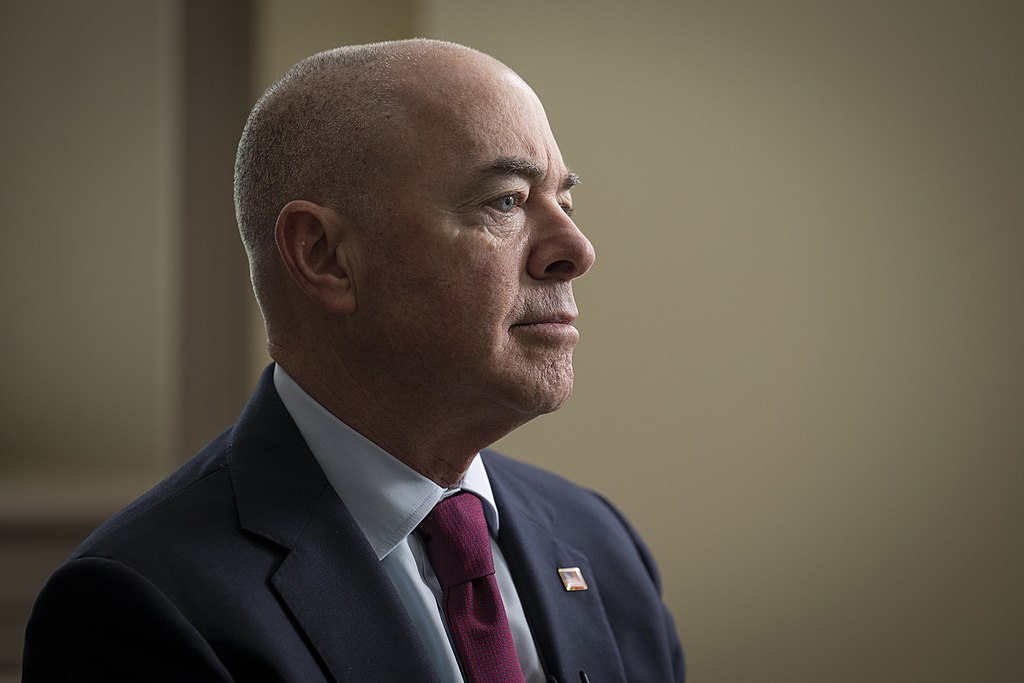
In a recent acknowledgment, Homeland Security Secretary Alejandro Mayorkas conceded that the Department of Homeland Security (DHS) could have implemented more rapid executive actions to mitigate the surge of migrants at the U.S. southern border. This admission comes in the wake of the Republican Party's rejection of his proposed border security bill in January 2024.
Missed Opportunities for Executive Action
Mayorkas stated that, had he anticipated the legislative impasse, DHS would have "taken executive action more rapidly" to address the escalating situation at the border. The proposed bill aimed to introduce comprehensive measures to enhance border security and manage the influx of migrants more effectively. However, the lack of bipartisan support stalled these initiatives, leaving the administration to rely on existing protocols.
The southern border has experienced unprecedented levels of migrant crossings in recent years. In fiscal year 2021, the U.S. Border Patrol reported over 1.7 million migrant detentions, marking the highest number ever recorded.
This surge has strained resources and intensified political debates over immigration policies.
Political Implications and Public Reaction
The Republican Party's rejection of the January 2024 border bill underscores the deep-seated partisan divisions surrounding immigration reform. Critics argue that the administration's reliance on legislative solutions, without contingency plans for potential roadblocks, has exacerbated the crisis. Mayorkas' recent statements suggest a shift towards more immediate executive measures in the absence of legislative consensus.
Public reaction to Mayorkas' admission has been swift and varied, particularly on social media platforms:
-
@BorderWatcher tweeted, "So, DHS admits they could have acted sooner? This is unacceptable. #BorderCrisis"
-
@PolicyAnalyst wrote, "Mayorkas' hindsight won't solve the current issues. We need proactive solutions, not regrets."
-
@ImmigrationReform commented, "Acknowledging delays is a start, but where's the accountability? Lives are affected daily."
-
@SecureTheBorder posted, "This administration's inaction has led to chaos. Mayorkas' words are too little, too late."
-
@HumanRightsAdvocate shared, "While DHS admits delays, let's not forget the human aspect. Migrants deserve humane treatment."
-
@PoliticalObserver noted, "Mayorkas' statement reflects the complexities of immigration policy. Blame games won't help; bipartisan efforts will."
Moving Forward: Executive Actions on the Horizon
In response to the legislative stalemate, DHS is reportedly exploring a range of executive actions to strengthen border security and manage migrant flows. These measures may include reallocating resources, enhancing technological surveillance, and revising asylum processing protocols to expedite determinations and reduce backlogs.
Mayorkas emphasized the administration's commitment to addressing the challenges at the border, stating that DHS is "prepared to take all necessary actions within our authority to ensure the security of our nation." However, he also reiterated the need for comprehensive immigration reform, urging Congress to collaborate on sustainable solutions.
As the situation at the southern border continues to evolve, the interplay between executive actions and legislative efforts will be crucial in shaping the United States' approach to immigration and border security. Mayorkas' recent admission highlights the complexities and challenges inherent in navigating these issues amid a polarized political landscape.







